National Dish India: Kuzhambu (Recipe)
In this article
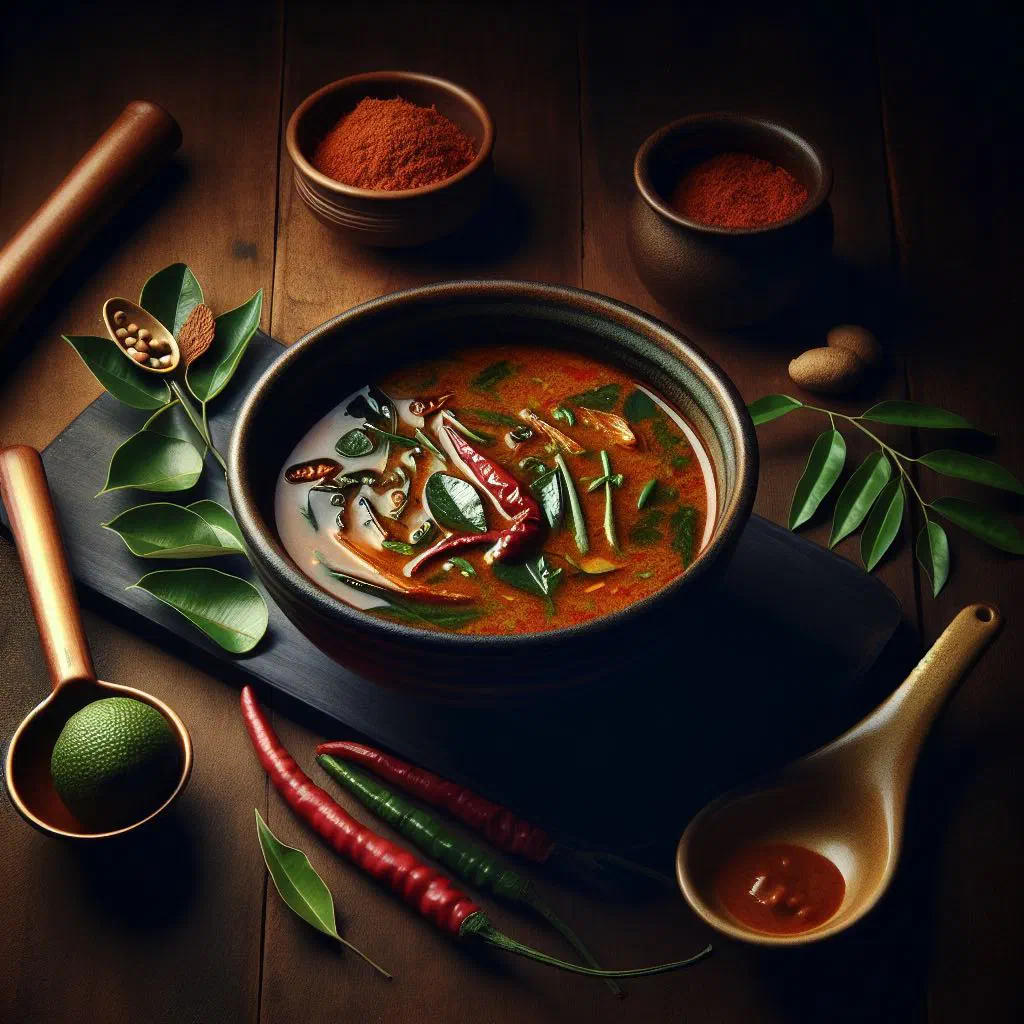
Say hello to Kuzhambu, a soulful South Indian curry famed for its rich, tangy and deeply spiced sauce. Built around tender lentils, fresh tomatoes and a fragrant tempering of mustard seeds and cumin, it is the kind of homely dish that turns a simple bowl of rice into a proper meal. This comforting curry is a wonderful place to start.
About Kuzhambu
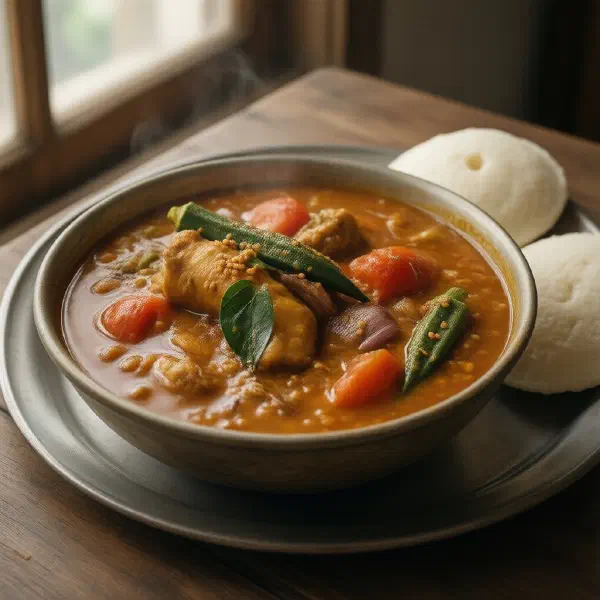
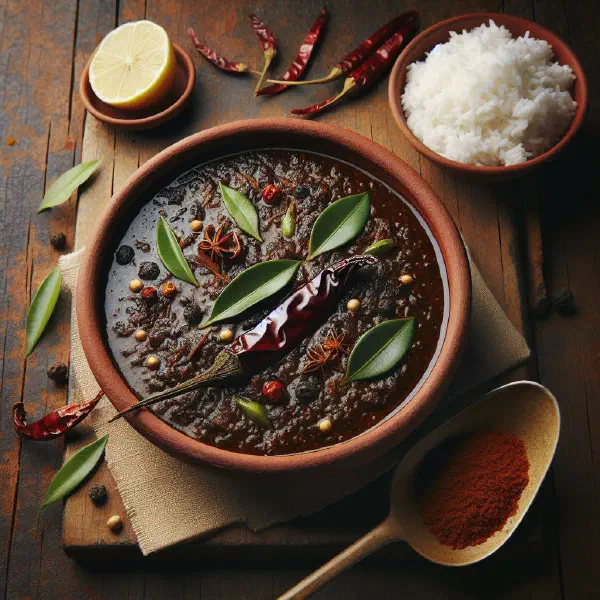
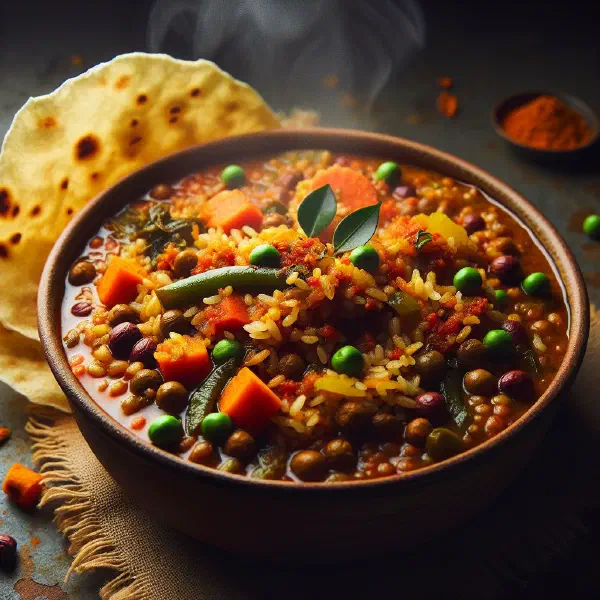
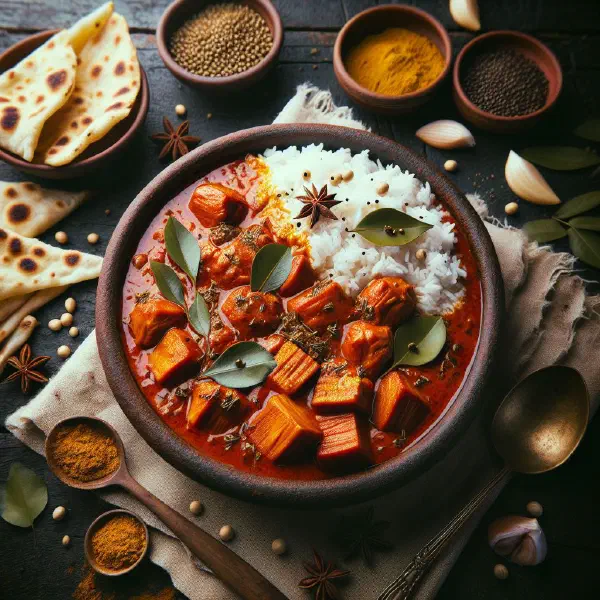
Kuzhambu is a traditional Indian curry celebrated for its rich, savoury sauce. It is a brilliant showcase for the variety of Indian cuisine, bringing together fresh spices, vegetables and lentils into one unmistakable flavour. In countless Indian households it is served as a main course alongside rice or dosas, making for a hearty and genuinely satisfying meal. This dish is an excellent choice.
Ingredients (serves 1–2)
- 1 cup lentils (such as toor dal or masoor dal)
- 1 onion, diced
- 2 tomatoes, diced
- 1–2 green chillies, chopped
- 1 teaspoon mustard seeds
- 1 teaspoon cumin
- 1 teaspoon turmeric
- 1 teaspoon tamarind paste
- 2 tablespoons oil (peanut or coconut oil)
- Salt to taste
- Fresh coriander leaves, to garnish
Shopping for the ingredients
To make Kuzhambu, look for your ingredients at an Asian grocery or a well-stocked supermarket. The lentils come in many varieties, with toor dal and masoor dal best suited to this dish. Be sure to pick fresh spices, as they have a huge influence on the final flavour. Green chillies and fresh coriander leaves are also key to the authenticity of the recipe and are best bought fresh.
Preparing the dish
Preparing kuzhambu is fairly straightforward, though it does call for a little planning. First, soak the lentils in water to shorten the cooking time and improve their texture. While the lentils soak, you can get on with preparing the onion, the tomatoes and the green chillies. These ingredients form the base of the dish and give it much of its depth. Measuring out the spices before you begin is also helpful, ensuring the flavours stay nicely balanced.
Step-by-step instructions
- Drain the soaked lentils, bring them to the boil in a large pan with 3 cups of water and simmer for a good 20–25 minutes until soft.
- In a separate pan, heat the oil and add the mustard seeds and cumin. Wait until the mustard seeds begin to pop.
- Add the diced onions and green chillies and fry until the onions turn translucent.
- Stir in the diced tomatoes and turmeric and mix well. Let the mixture simmer for 5–7 minutes until the tomatoes have broken down.
- Add the cooked lentils and the tamarind paste. Season with salt and simmer for a further 5 minutes.
- Serve the kuzhambu hot, garnished with fresh coriander leaves.
Gluten-free / lactose-free version
One of the great things about Kuzhambu is that it is naturally gluten-free and lactose-free. The main ingredients, lentils, vegetables and spices, contain no gluten and no dairy. These qualities make the dish an ideal choice for anyone with a gluten intolerance or lactose intolerance. Even so, it is worth checking all your ingredients, especially the spices, for any hidden sources of gluten.
Tips for vegans and vegetarians
Kuzhambu is a superb option for vegans and vegetarians, as it contains no animal products whatsoever. To make the dish even more nourishing, add extra vegetables such as spinach, carrots or pumpkin. These bring additional vitamins and minerals and broaden the flavours and textures. Another tip is to use raw tamarind in place of tamarind paste for an authentic taste that remains entirely plant-based.
More tips and tricks
When making Kuzhambu, it is worth grinding your spices fresh to unlock their full aroma. Experiment with the quantities to land on a flavour that suits your own palate. Make sure the consistency of the sauce is to your liking; you can loosen it by adding more water or stock. Finishing the dish with fresh herbs or a squeeze of lemon can also lift the flavour considerably.
Adapting the recipe to your taste
Kuzhambu is extremely adaptable and easy to tweak to suit different tastes. If you like it hotter, add more green chillies or a little red chilli powder. For a milder version, ease back on the spices and add more vegetables. The choice of lentil can vary too; yellow lentils, for example, give a sweeter result.
Ingredient substitutions
Should some ingredients for Kuzhambu be hard to find, there are several alternatives to fall back on. Instead of tamarind paste, for instance, you can use lemon juice to bring that sour note. In place of the lentils you might use chickpeas, which give the dish a different texture, much like the hearty pulses at the heart of a bowl of Masoor Dal. Just remember to adjust the cooking times, as different lentils need different lengths to soften. Swaps like these let you personalise the dish even further.
Drink pairing ideas
To round off a memorable dinner, give some thought to the drinks you serve with Kuzhambu. A masala chai (Indian spiced tea) is a classic accompaniment that sits beautifully with the dish’s spiced flavours. Alternatively, a mild Indian lager or even a fruity lassi helps to balance the heat. When pairing drinks with food, it is worth considering the overall effect on flavour to create a harmonious eating experience.
Serving and presentation ideas
The presentation of Kuzhambu can lift the whole meal considerably. Serve it in a decorative bowl and garnish with fresh coriander leaves or a squeeze of lemon juice. An attractive arrangement of sides such as rice or dosas on the plate makes the whole spread more inviting. Think about colour too, to keep things looking appetising; bright hues bring far more life to the table.
A bit of history
Kuzhambu has its roots in South Indian cooking and is a fixture of daily life for many people in Tamil Nadu and beyond. It is often served at special occasions and festivals, where it is a symbol of hospitality and good flavour. The wealth of spices and ingredients reflects the rich culture and tradition of India. Across the regions there are countless variations of kuzhambu, differing according to the ingredients and methods used.
More recipe ideas
Summary: Kuzhambu
Kuzhambu is a versatile and flavourful dish that gathers the aromas of India into one delicious meal. With its rich, easily adapted ingredients, this curry is sure to win over vegans and food lovers alike. Whether for everyday enjoyment or a special occasion, kuzhambu is bound to be a hit at your table. Let the variety of Indian cooking inspire you and savour the intense flavour that kuzhambu has to offer.