National Dish India: Malai Kofta (Recipe)
In this article
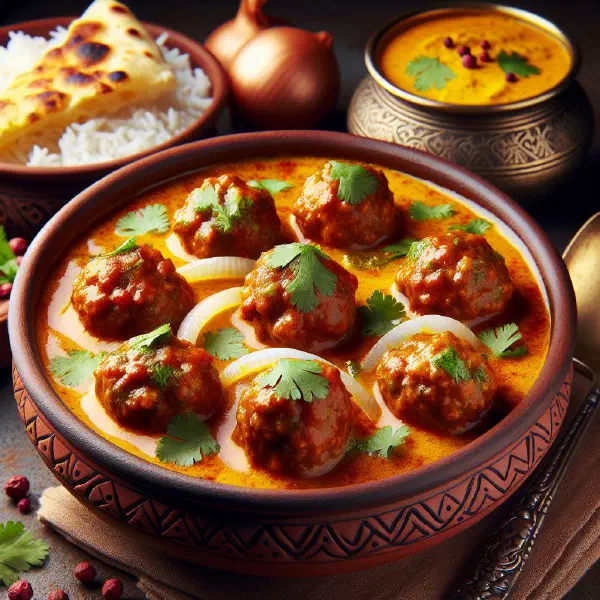
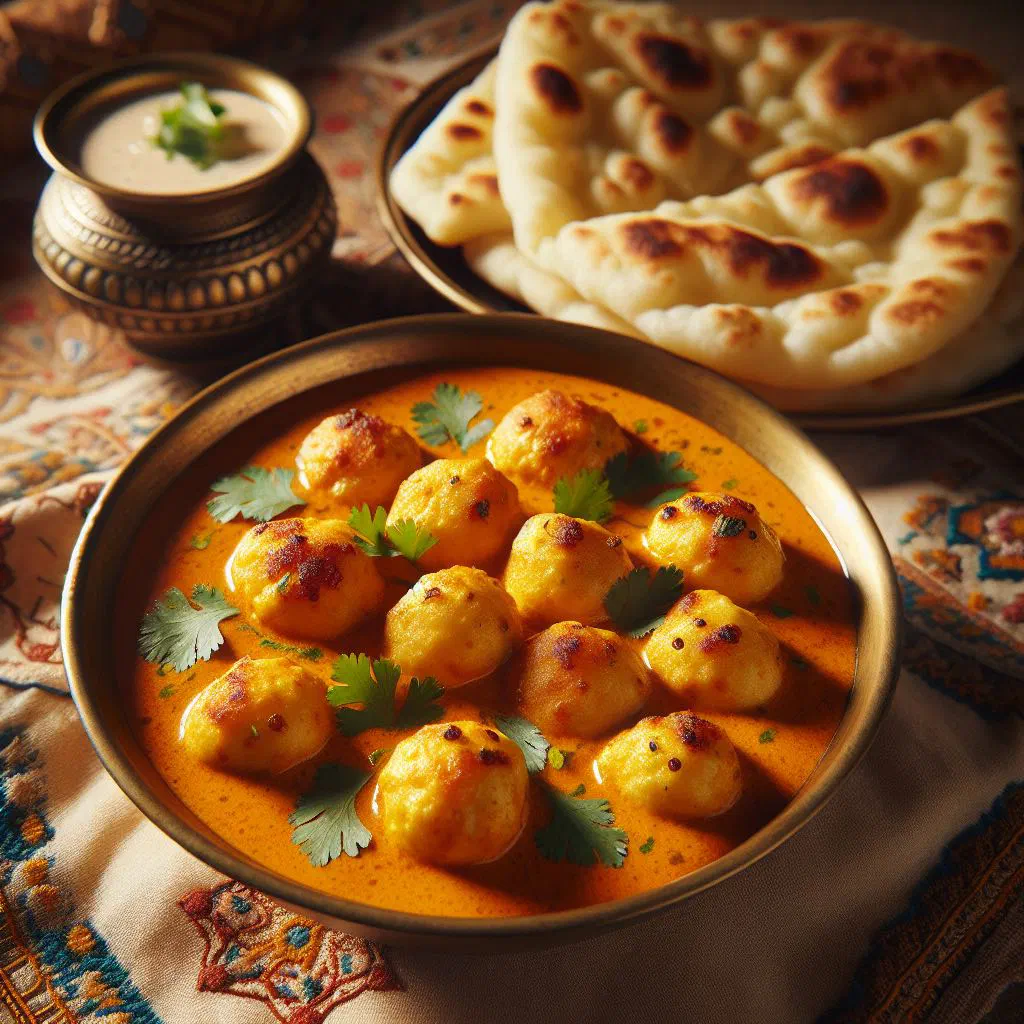
Treat yourself to Malai Kofta, one of the most indulgent jewels of Indian cooking. Soft, golden dumplings of paneer and potato are set in a velvety tomato and cashew sauce, finished with a swirl of cream and fresh coriander. The contrast of crisp-edged koftas against the silky, lightly spiced gravy makes every mouthful a small celebration. Rich, fragrant and gently warming, this is the kind of dish that turns an ordinary supper into a feast.
About Malai Kofta
Malai Kofta is one of the most cherished dishes in Indian cuisine, beloved for its luxurious flavour and its beautiful interplay of textures. At its heart are soft, deep-fried balls of paneer (Indian fresh cheese) and potato, served in a creamy tomato and cashew sauce. The koftas are gently spiced with cumin and garam masala, while the gravy is enriched with cream for a smooth, mellow finish. It is the marriage of crisp dumpling and silky sauce that makes this dish so memorable, a true showpiece of refined cooking and a firm favourite at festive tables.
Ingredients (serves 1–2)
- 200 g paneer (Indian fresh cheese)
- 2 medium potatoes
- 2 tablespoons cornflour
- 1/2 teaspoon ground cumin
- 1/2 teaspoon garam masala
- Salt to taste
- Oil, for deep-frying
- 1 large onion
- 2 tomatoes
- 1/4 cup cashew nuts
- 1 teaspoon ginger-garlic paste
- 1/2 teaspoon turmeric
- 1/2 teaspoon red chilli powder
- 1/2 cup cream
- 1/4 cup water
- Fresh coriander, to garnish
Shopping for the ingredients
For the best malai kofta, seek out fresh paneer and good-quality spices from an Indian grocery or a well-stocked Asian supermarket. You will usually find cashew nuts in the nut aisle, choose unsalted, untreated ones to keep the flavour authentic. Fresh tomatoes, onions and coriander are easy to source from any greengrocer, while special spice blends such as garam masala can also be ordered online if your local shop falls short.
Preparing the dish
A little forward planning makes preparing malai kofta far smoother. Weigh out and ready all your ingredients before you begin so the cooking flows without interruption. Boil the potatoes ahead of time and let them cool completely before you use them, as warm potato makes the dumpling mixture sticky and hard to shape. To save time on the night, you can form and deep-fry the koftas in advance, then turn your attention to the sauce.
Step-by-step instructions
- Finely crumble the paneer and the boiled potatoes into a bowl.
- Add the cornflour, ground cumin, garam masala and salt, then knead into a smooth dough.
- Shape the mixture into small balls and deep-fry them in hot oil until golden brown.
- Blend the onion, tomatoes and cashew nuts to a fine paste.
- Heat a little oil in a pan and fry the ginger-garlic paste until fragrant.
- Add the onion-tomato-cashew paste and season with turmeric and chilli powder. Cook over medium heat until the oil begins to separate.
- Stir in the cream to make the sauce silky, season with salt and add the water to reach the consistency you like.
- Slip the koftas into the sauce and let them simmer for a few minutes so the flavours mingle.
- Finish with a scattering of fresh coriander.
Gluten-free / lactose-free version
Malai kofta is naturally close to gluten-free, since the koftas are bound with cornflour rather than wheat. Just double-check that your spice blends contain no hidden gluten. For a lactose-free version, swap the cream for a plant-based alternative such as cashew cream or coconut cream, and use a dairy-free paneer substitute. With these small adjustments, everyone at the table can enjoy this rich dish without compromise.
Tips for vegans and vegetarians
This dish is already vegetarian, and it adapts to a vegan kitchen with ease. Replace the paneer with firm tofu and swap the cream for coconut milk to keep that velvety body. A plant-based cornflour binding holds the koftas together beautifully in place of any egg. As ever, check spice blends and pre-processed items for hidden animal products, and lean on fresh vegetables and herbs for an authentic flavour. For another paneer-led classic, try Paneer Butter Masala.
More tips and tricks
For a deeper, more aromatic gravy, crumble in a little kasuri methi (dried fenugreek leaves) towards the end of cooking. If you are not serving straight away, add the koftas to the sauce only just before serving so they keep their shape and do not turn too soft. Letting the sauce simmer gently also helps the cashew paste mellow and the spices come together. A final swirl of cream just before serving gives the dish its signature glossy finish.
Adapting the recipe to your taste
Malai kofta is wonderfully easy to tailor to your own preferences. For a lighter version, replace some or all of the cream with yoghurt or coconut milk for a fresher, tangier sauce. If you like more heat, simply add extra chilli powder or a couple of fresh green chillies. You can even tuck a few chopped nuts or raisins into the centre of each kofta for a touch of sweetness, much as you might in a celebratory Vegetable Biryani.
Ingredient substitutions
If certain ingredients are not to hand, there are plenty of creative alternatives. Cashew nuts can be swapped for blanched almonds to keep the sauce rich and creamy. In place of fresh paneer, firm tofu or even a mix of mashed potato and grated halloumi will do the job. Should you run out of cream, a spoonful of full-fat yoghurt or a splash of coconut milk will still give you a smooth, satisfying gravy, the kind of comforting richness you also find in a Rajma.
Drink pairing ideas
A range of cooling, alcohol-free drinks pairs beautifully with the richness of malai kofta. A chilled lassi is a classic choice, its gentle tang cutting through the creamy sauce, while a refreshing mango sherbet brings a fruity lift. Masala chai works nicely too, its warm spices echoing those in the gravy. Any of these soothing drinks helps balance the dish and rounds off the meal.
Serving and presentation ideas
Presentation lifts the whole malai kofta experience. Serve it in a deep bowl, finished with a swirl of cream, a handful of chopped cashew nuts and plenty of fresh coriander. Colourful side vegetables or warm Indian flatbreads such as naan or roti complete the spread, both visually and in flavour. A scattering of pomegranate seeds adds a jewel-like sparkle for festive occasions, much like the toppings on a hearty Misal Pav.
A bit of history
Malai kofta has its roots in Mughlai cuisine, the opulent fusion cooking that flourished in India during the Mughal era. Drawing on Persian techniques and a love of rich, aromatic gravies, the royal kitchens prized dishes built around nuts, cream and fragrant spices. Over the centuries malai kofta became a fixture at restaurants and celebrations alike, a dish reserved for occasions worth marking. Today it is one of the most beloved vegetarian showpieces of Indian cuisine.
More recipe ideas
Summary: Malai Kofta
Malai kofta is a feast for the senses and a true expression of the variety and richness of Indian cooking. The method may look involved, but the reward is a dish of soft, golden dumplings bathed in a silky, fragrant sauce that is hard to resist. Malai kofta brings a touch of indulgence to any table. Let this Indian classic inspire you and give it a try, your taste buds will thank you.