National Dish India: Moong Dal Halwa (Recipe)
In this article
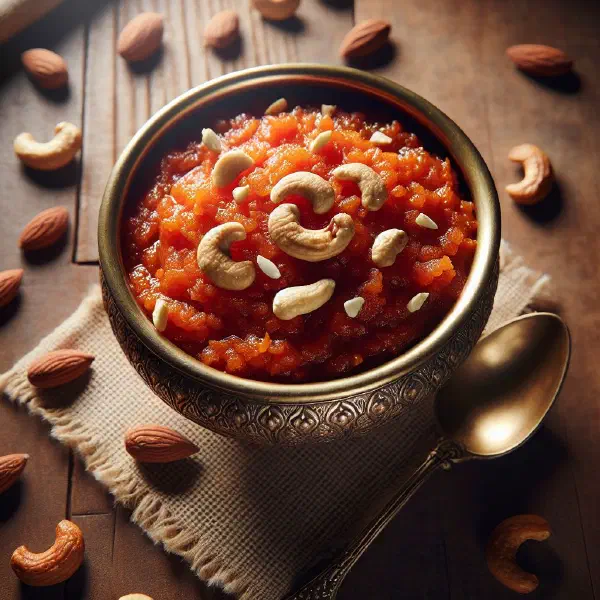
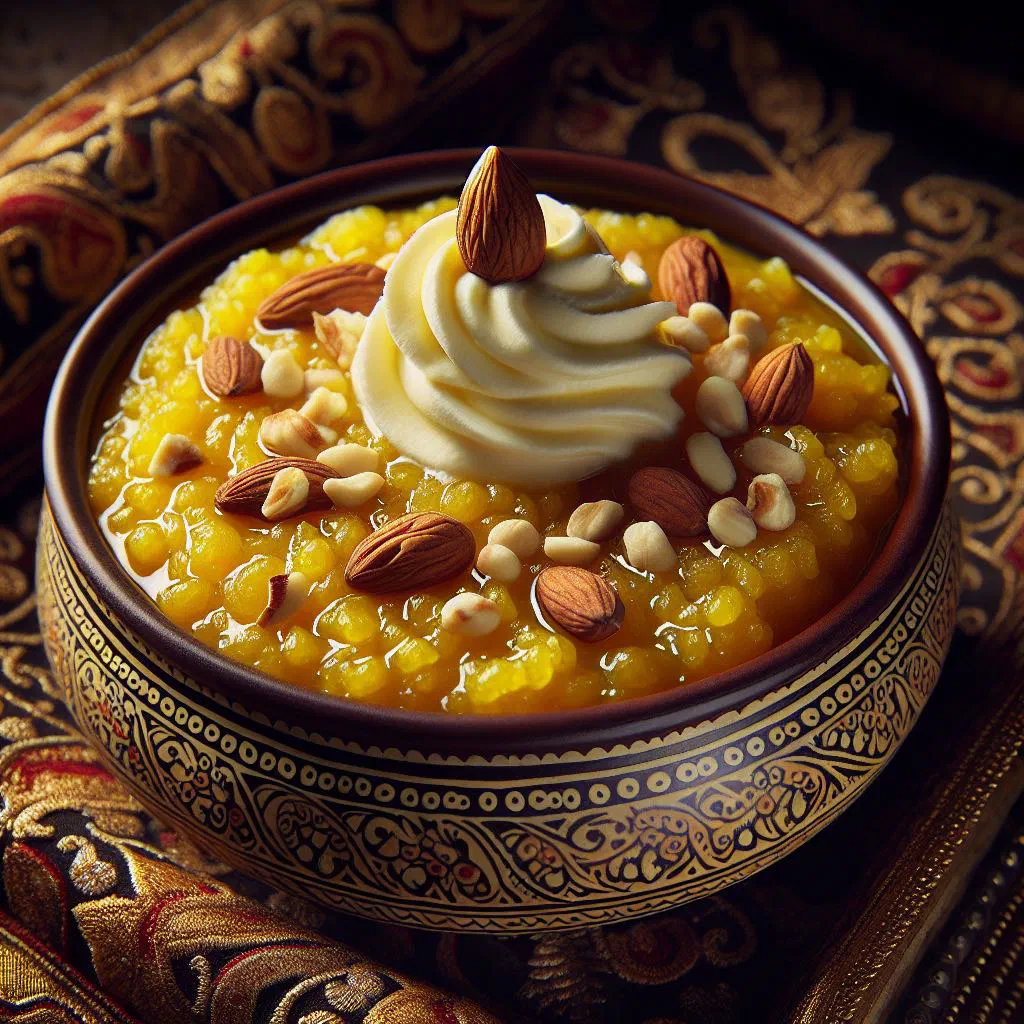
Treat yourself to Moong Dal Halwa, one of India’s most beloved festive sweets. Made from split green lentils slow-cooked in ghee until golden, this rich pudding is fragrant with cardamom and crowned with toasted nuts. Velvety, indulgent and deeply comforting, it is the kind of dessert that turns a celebration into a feast, and brings a little of India’s warmth straight to your table.
About Moong Dal Halwa
Moong Dal Halwa is a traditional Indian dessert made from split green lentils, also known as moong dal. This wonderful sweet brings together a creamy texture and a rich flavour that is at once sugary and aromatic. It is perfect for festive occasions and leaves a lasting impression on everyone who tastes it.
Ingredients (serves 1–2)
- 1 cup split green lentils (moong dal)
- 2–3 tablespoons ghee
- 1/2 cup sugar
- 1 cup milk
- 1/4 cup water
- 1/4 teaspoon ground cardamom
- A pinch of salt
- Chopped nuts (almonds or cashews), to decorate
Shopping for the ingredients
If you would like to make moong dal halwa, it is worth making sure you buy all the ingredients fresh and of good quality. Split green lentils are easy to find in most Indian shops or at an Asian grocery. You can also make your own ghee by gently heating unsalted butter until the water evaporates and the fat turns clear. Don’t forget to pick up some fresh nuts to finish the dish with a satisfying crunch.
Preparing the dish
Before you start cooking moong dal halwa, rinse the split lentils thoroughly to remove any grit or impurities. Soak them in water for about an hour afterwards. This step ensures the lentils soften nicely as they cook and absorb the flavours more readily. While they soak, roughly chop the nuts so they are ready to use as a garnish later on.
Step-by-step instructions
- Grind the soaked lentils into a coarse paste using a blender.
- Heat the ghee in a heavy-based pan, add the lentil paste and stir well. Roast for about 10 minutes until golden brown.
- Pour in the sugar, milk and water and stir thoroughly. Let the mixture simmer over medium heat until it thickens.
- Finally, stir in the ground cardamom and a pinch of salt. Mix well and scatter over the chopped nuts to decorate.
Gluten-free / lactose-free version
Moong dal halwa is easily made gluten-free, as all of its ingredients are naturally free from gluten. To make the recipe lactose-free, swap the milk for a plant-based alternative such as almond or oat milk. The ghee can likewise be replaced with a vegan butter alternative to make the dish suitable for vegans.
Tips for vegans and vegetarians
Plenty of vegans and vegetarians can enjoy a delicious version of moong dal halwa. Use plant-based sweeteners such as coconut sugar or agave syrup to achieve that signature sweetness. Take care to choose ingredients that contain no animal products. These small adjustments broaden the appeal of the dish without taking anything away from its wonderful flavour.
More tips and tricks
A few extra pointers can make preparing moong dal halwa much easier. Be sure to roast the lentil paste evenly so it doesn’t catch on the bottom of the pan. Adding toasted nuts and dried fruit can deepen both the flavour and the texture of the dessert. Experiment with different spices to create unique aromas that make the dish even more appealing, much as the warming notes that lift a bowl of Rava Kesari.
Adapting the recipe to your taste
Remember that moong dal halwa can easily be adapted to personal preference or dietary needs. In place of sugar, you might use sweeteners suited to those managing their blood sugar. You can also reduce the amount of richness for a lighter result. Experiment with different flavourings such as rose or saffron to give your dessert a special touch, a trick shared with the syrup-soaked Rasgulla.
Ingredient substitutions
Depending on what you have to hand, several ingredients in moong dal halwa can easily be swapped. For instance, plain vegetable oil can replace ghee for a lighter version. As for the nuts, you could use sunflower or pumpkin seeds instead of almonds or cashews. By varying the ingredients, you can adapt the dish to keep it exciting and fresh.
Drink pairing ideas
Choosing the right drink can heighten the pleasure of moong dal halwa. A cup of masala chai complements the dessert beautifully and brings out its aromas. Alternatively, a freshly made mango lassi offers a refreshing pairing. These drinks not only harmonise with the sweet notes but are also a traditional choice alongside many Indian dishes.
Serving and presentation ideas
The way you present moong dal halwa adds a great deal to the experience. Serve the dessert in small, decorative bowls and garnish it with a selection of nuts and edible flowers for an elegant touch. A dusting of ground pistachio can improve both the look and the flavour, adding an extra kick. Little details like these can make all the difference and turn your dessert into a real highlight, much like a beautifully finished Shrikhand.
A bit of history
Moong dal halwa has a long and fascinating history within Indian cooking. Originally from Northern India, this sweet treat is closely tied to festive occasions and is often served at weddings and during holidays. Its sweet, nutty flavours reflect the cultural diversity of India and highlight the importance of lentils in the diet. With its careful, time-honoured preparation, moong dal halwa has become one of the most popular desserts in Indian cuisine over the years.
More recipe ideas
Summary: Moong Dal Halwa
Moong dal halwa is a very good dessert and a symbol of India’s diverse cuisine. With its perfect combination of flavours and textures, it is a must for anyone who loves Indian sweets. The dish suits special occasions beautifully, yet it can just as easily be savoured as an everyday treat. Let this traditional recipe tempt you, and bring a little piece of India to your table.