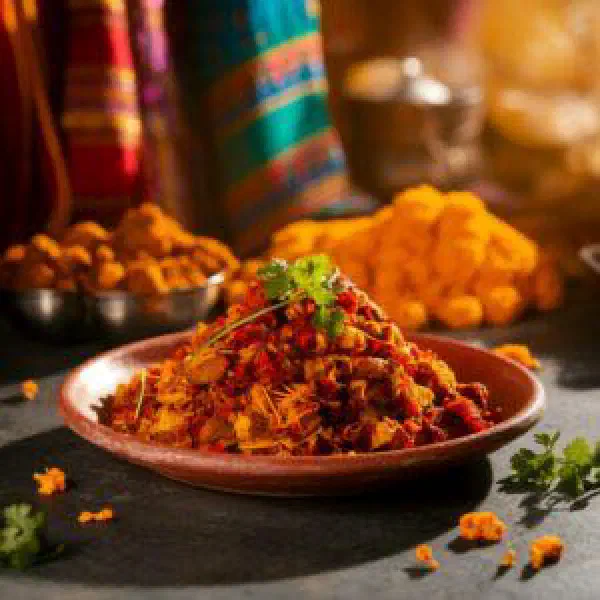
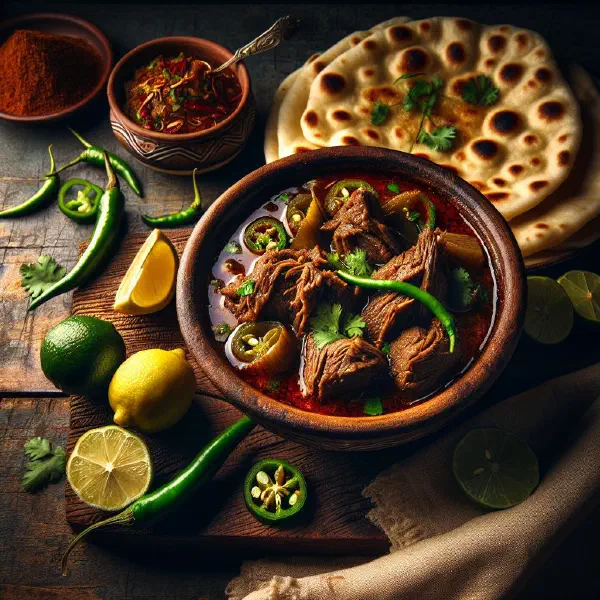
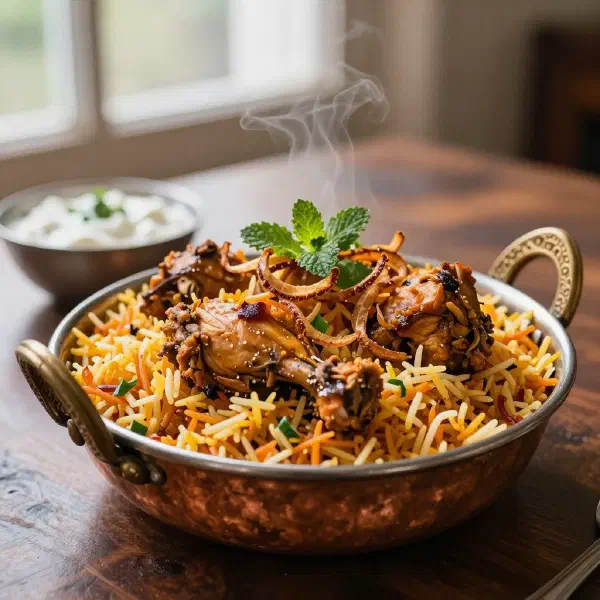
National Dish India: Nihari (Recipe)
In this article
Discover Nihari, a magnificent slow-cooked dish that ranks among the great treasures of India’s table. Once prepared as a royal breakfast for the Mughal emperors, this rich stew brings together meltingly tender meat and a deep, aromatic spice blend that develops over hours of gentle cooking. The result is comfort food on a grand scale, fragrant, warming and steeped in centuries of history. Bring a little of that imperial heritage into your own kitchen.
About Nihari
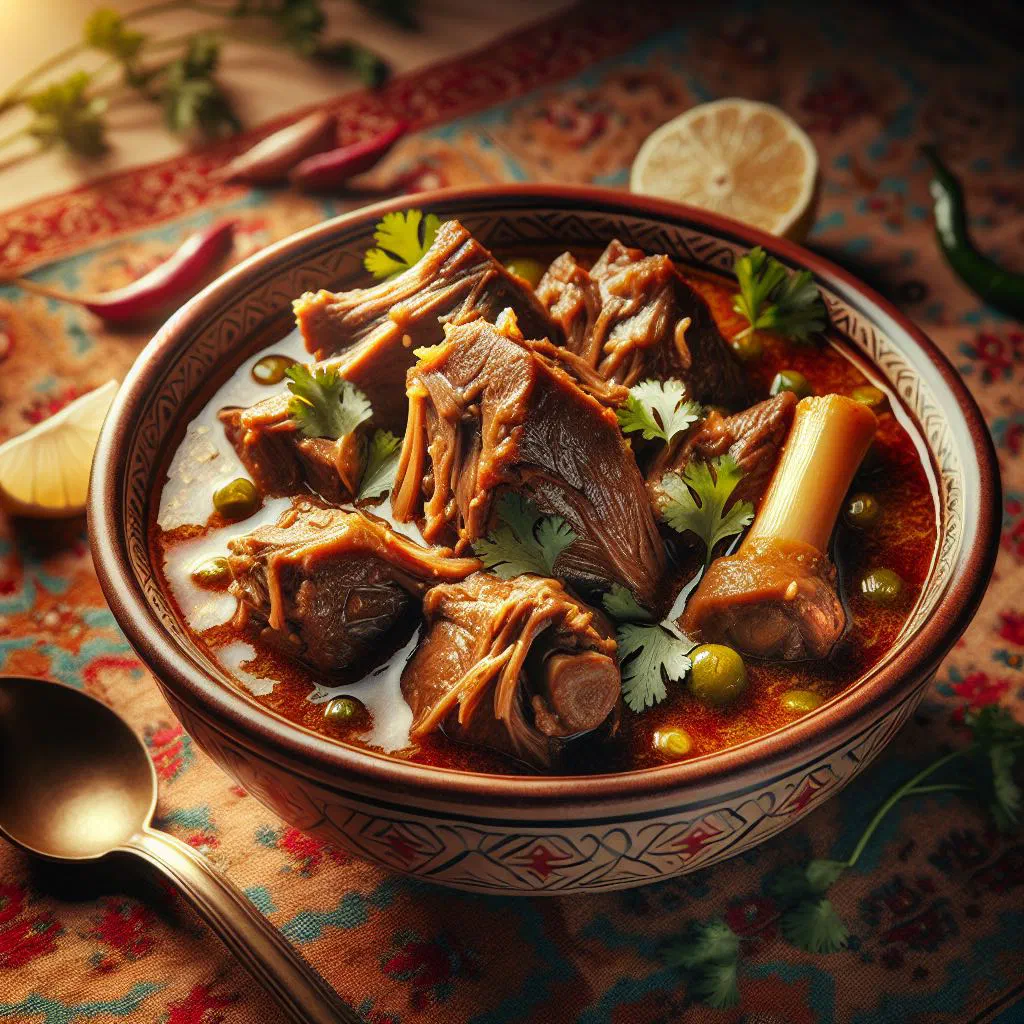
Nihari is a delicious and traditional Indian dish that was originally conceived as a breakfast for the Mughal emperors. It is most often made with tender beef or lamb and is celebrated for its rich, layered flavours. The slow cooking time, several hours at the lowest of simmers, is what makes the meat so wonderfully juicy and aromatic. Traditionally, nihari is served with a generous array of spices that show off the very best of Indian cuisine, much like a hearty Hyderabadi Haleem.
Ingredients (serves 1–2)
- 500 g beef or lamb
- 2 tablespoons ghee or oil
- 1 large onion, finely chopped
- 3–4 garlic cloves, chopped
- 2 cm piece of ginger, grated
- 2 teaspoons cumin
- 1 teaspoon coriander seeds
- 1 teaspoon chilli powder
- Salt to taste
- Water as needed
- Fresh coriander leaves, to garnish
Shopping for the ingredients
To make an authentic nihari, the ingredients should be fresh and of good quality. The meat in particular is crucial to both the flavour and the texture of the dish. Visit a trusted butcher or an Asian grocery to find the best beef or lamb. The spices should be fresh too, so they can release their full aroma during the long, slow cook.
Preparing the dish
Before you start cooking nihari, it is important to have everything well prepared. The aromatics should be washed and chopped, and the spices measured out and ready to go. Finely chop the onions, as they form the base of the aromatic sauce, and cut the garlic and ginger into small pieces. This bit of groundwork keeps the cooking process running smoothly from start to finish.
Step-by-step instructions
- Heat the ghee or oil in a large pot and fry the chopped onions until golden brown.
- Add the garlic and ginger and fry for a further 2 minutes.
- Add the meat and brown it well on all sides.
- Stir in the spices — cumin, coriander seeds, chilli powder and salt — and mix thoroughly.
- Pour in enough water to cover the meat and bring the mixture to the boil.
- Reduce the heat and let the dish simmer gently for at least 3–4 hours.
- Once cooked, garnish with fresh coriander leaves and serve.
Gluten-free / lactose-free version
Nihari is naturally gluten-free, as it contains no wheat products. To make the dish lactose-free, simply use vegetable oil in place of ghee. This makes it a great option for anyone with a gluten or lactose intolerance. When shopping, it is always worth checking the labels of the products you use to be sure they suit your diet.
Tips for vegans and vegetarians
For a vegan version of nihari, you can use hearty vegetables such as aubergine or mushrooms, which mimic the texture of the original dish. In place of meat, chickpeas or tofu add a good dose of protein. Adjust the spices to intensify the flavour, and stir in a little coconut milk for a creamy texture. Swapping the stock for vegetable stock keeps the result every bit as tasty.
More tips and tricks
To make nihari a real success, there are a few tips and tricks worth keeping in mind. Let the dish simmer for as long as possible so the flavours have time to deepen. If you like more heat, simply add a little extra chilli powder. Be sure to stir from time to time during cooking to stop anything catching on the bottom. Done this way, you will end up with a rich, full-flavoured result.
Adapting the recipe to your taste
Nihari is remarkably easy to adapt to your own preferences and to those of your guests. You can experiment with different meats, chicken or goat, for example, to discover new flavours. The spices, too, can be varied as you please; add further regional spices to give the dish a particular character.
Ingredient substitutions
If you find yourself short of a few ingredients for nihari, there are plenty of alternatives to fall back on. Instead of ghee you can use rapeseed or sunflower oil, which offer a more neutral flavour base. In place of fresh ginger you can use ground ginger, though fresh ginger is noticeably more intense in taste. As for the spices, a touch of garam masala or even a spice blend like the ones used in a Fish Curry can add a distinctive note.
Drink pairing ideas
A few drinks pair especially well with a hearty dish like nihari. A fresh lassi, the Indian yoghurt drink, offers a pleasant cooling effect and balances the heat beautifully. Alternatively, serve a glass of chai, the Indian spiced tea, which complements the aromas of the dish wonderfully. A light Indian beer can also harmonise nicely and make for a refreshing addition to the meal.
Serving and presentation ideas
Presentation plays an important part in serving nihari. Bring the dish to the table in a large, handsome bowl or a traditional Indian clay pot. Garnish it generously with fresh coriander leaves and serve it alongside naan or rice. Use colourful side plates and attractive cutlery to enrich the experience. A little care with the presentation turns the meal into a feast for the senses.
A bit of history
Nihari has its origins in the splendour of the Mughal kitchen and was originally prepared as a breakfast dish for emperors and nobility. It was often cooked on a Sunday, developing its rich flavour through slow cooking overnight. In time it found its way to the street stalls of India and Pakistan, where it continues to be enjoyed and cherished. Its cultural value and culinary importance make it an essential part of both Indian and Pakistani cuisine.
More recipe ideas
Summary: Nihari
Nihari is a traditional Indian dish that embodies the richness and variety of Mughal cuisine. With its tender meat, aromatic spices and long, slow cooking time, it is a feast for all the senses. Thanks to its adaptability, meat lovers and vegetarians alike can enjoy this dish. Give it a try and bring a little piece of India into your kitchen.