National Dish India: Patra (Recipe)
In this article
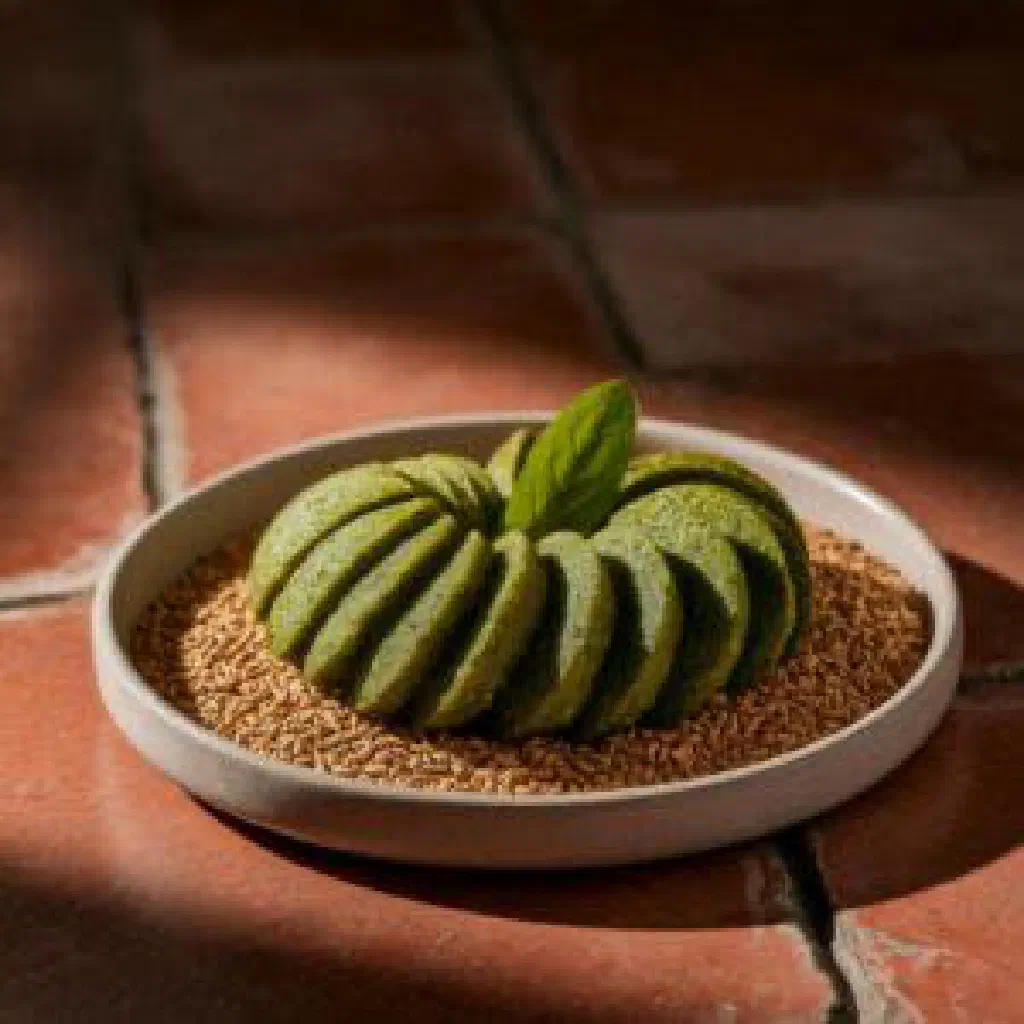
Meet Patra, a wonderfully fragrant snack from western India that turns humble taro leaves into something rather special. Each leaf is spread with a tangy, spiced batter of gram flour, then rolled, steamed and sliced into pretty pinwheels. The result is soft, savoury and quietly addictive, equally at home on a tea-time platter or as part of a larger spread.
About Patra
Patra is a traditional Indian dish made from steamed rolls of taro leaves. The leaves are spread with a spiced batter of gram flour and an array of aromatic spices, then carefully rolled up. The marriage of tender taro leaf and that savoury, tangy filling gives Patra its distinctive flavour. As with so much of Indian cuisine, the magic lies in a clever balance of texture and spice.
Ingredients (serves 1–2)
- 10 large taro leaves
- 1 cup gram flour (chickpea flour)
- 2 tablespoons mustard seeds
- 1 teaspoon turmeric powder
- 1 teaspoon cumin
- 1 teaspoon red chilli powder
- Salt to taste
- Water (for the batter)
- 1 teaspoon lemon juice
Shopping for the ingredients
To make Patra, look for fresh taro leaves when you shop. You will find them in many Asian grocery shops as well as in well-stocked supermarkets. Choose leaves that are fresh and firm rather than wilted, as they roll far more easily. The remaining ingredients, such as gram flour and the spices, are also commonly found in Asian or Indian stores, and many can be ordered online too.
Preparing the dish
Before you start making Patra, wash the taro leaves thoroughly and remove the central stems. This step is important, as it keeps the leaves supple and far easier to handle. Mix all the ingredients for the filling together well in a bowl so the flavours distribute evenly. This forms the foundation for those delicious, aromatic rolls and makes the assembly much smoother.
Step-by-step instructions
- Lay the taro leaves out on a clean work surface.
- Spread an even layer of the spiced filling over each leaf.
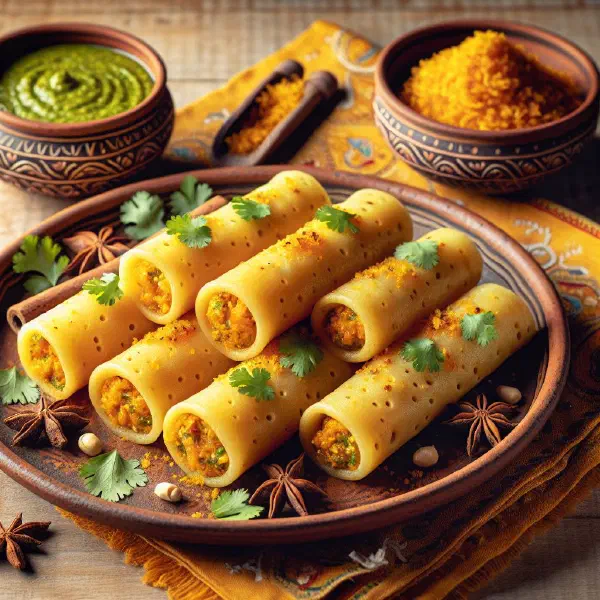
- Roll the leaves up carefully and tuck the ends in.
- Place the filled rolls in a steamer and steam for around 20–30 minutes.
- Once steamed, let the rolls cool, then cut them into slices.
- Serve the Patra slices with chutney or a sauce of your choice.
Gluten-free / lactose-free version
Patra is easily made gluten-free and lactose-free, simply by making sure the gram flour you use comes from a certified gluten-free source. The dish is naturally lactose-free, as it contains no animal products at all. That makes Patra a wonderful choice for anyone with food intolerances, without sacrificing any of the flavour.
Tips for vegans and vegetarians
Patra is naturally vegan, since it is made entirely without animal products. Even so, you can adjust the flavour and texture to taste by choosing your spices carefully and adding extras such as ground nuts or mixed vegetables. Experiment with different fresh herbs to unlock new and interesting flavours. That way every bite stays fresh and full of interest. If you enjoy this approach, the same spirit shines in Khandvi, another gram-flour favourite.
More tips and tricks
One useful technique when steaming Patra is to line the steamer with banana leaves, which stop any extra flavour from creeping into the rolls. It also helps to weigh the rolls down a little during steaming to ensure even cooking. This keeps them from unravelling. Keep an eye on the temperature throughout, so you achieve that perfect, just-set consistency every time.
Adapting the recipe to your taste
A great advantage of Patra is the flexibility of the recipe. You can adjust the spices to suit your palate by using more or fewer hot ingredients. The filling can vary too; additions such as chopped nuts, coriander or onions lend the mixture an extra layer of aroma. Experiment with different fillings to create your very own version of Patra. For more savoury rolls to try, take a look at a Kathi Roll.
Ingredient substitutions
If you cannot find gram flour, you can replace it with rice flour or millet flour. These alternatives produce a similar effect, though with slightly different flavours and textures. You can apply your own preferences to the spices as well, consider ginger or garlic, for instance, to add a savoury, robust note. Let your creativity run free, much as you would with a hearty Masoor Dal.
Drink pairing ideas
To round off the Patra experience, Indian teas such as masala chai or green tea make excellent partners. These drinks help to balance the spices nicely. Alcoholic options such as an Indian lager or a white wine can also pair well with this dish. And do not overlook a refreshing lemonade or a fruity mocktail, both of which suit Patra beautifully.
Serving and presentation ideas
To serve your Patra rolls attractively, arrange them on a handsome plate and garnish with fresh herbs. Placing a spoonful of chutney alongside adds a lovely splash of colour and extra flavour. Looking for a touch more refinement? Use a little simple food styling to give your presentation that final flourish and turn a snack into a centrepiece.
A bit of history
Patra originally comes from Gujarat, India, where it is often served at festivals and on special occasions. It is regarded as an important part of the regional kitchen and is prized for its delicious combination of texture and aroma. The way Patra is made has evolved over the years, with many home cooks contributing their own secret recipes and variations. The dish reflects the cultural diversity of India and is a fine example of cooking with regional ingredients and spices, much like a comforting Thalipeeth.
More recipe ideas
Summary: Patra
To sum up, Patra is an exceptional Indian dish that wins you over with its pairing of taro leaves and a richly spiced filling. It is a pleasure to eat and straightforward to prepare. Patra offers plenty of room for adaptation and refinement to please every palate. Let the flavours of India inspire you and give this delicate recipe a try.