National Dish India: Pav Bhaji (Recipe)
In this article
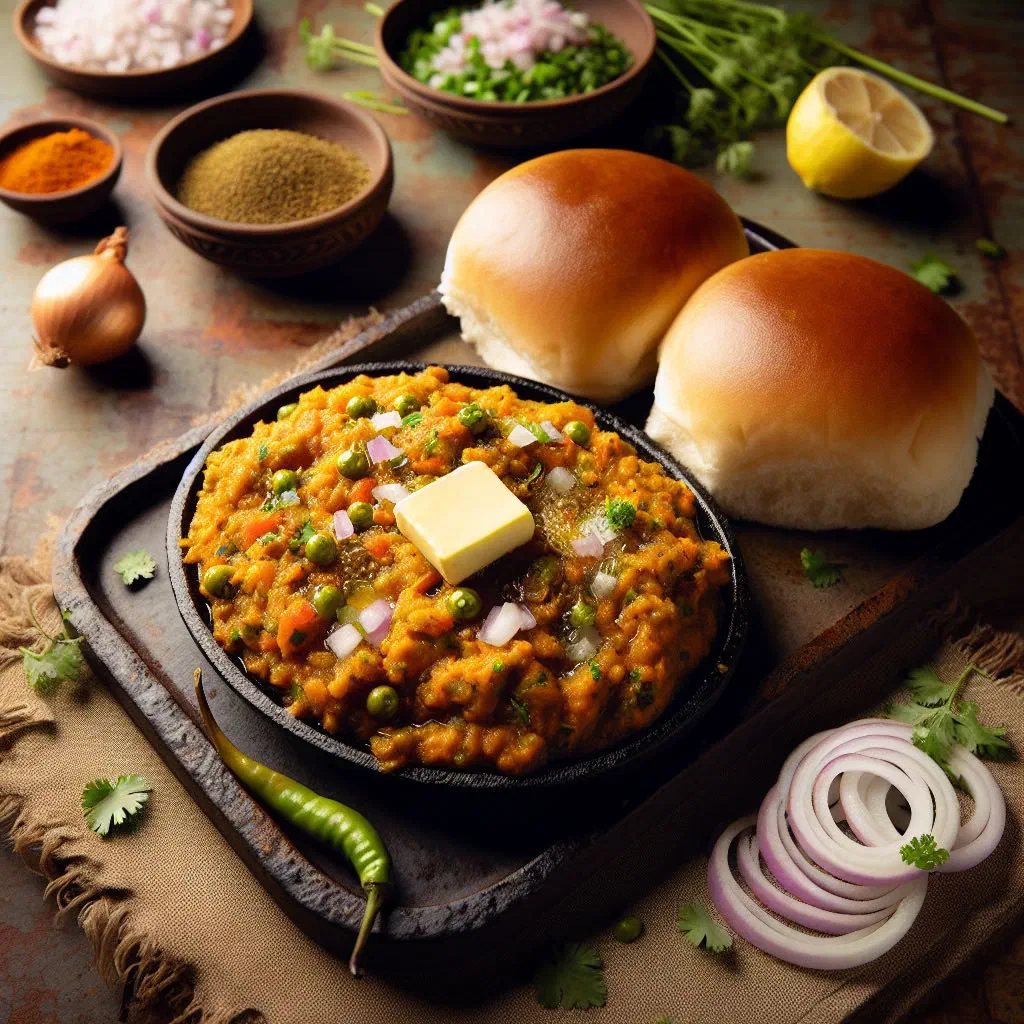
Discover Pav Bhaji, one of India’s best-loved street foods. This hearty dish pairs a richly spiced mash of vegetables with soft, buttery bread rolls. Bursting with the warm aromas of cumin, coriander and garam masala, it is comfort food that works just as well for a casual weeknight as for a festive get-together. Bring the bustle of a Mumbai street stall straight to your own kitchen.
About Pav Bhaji
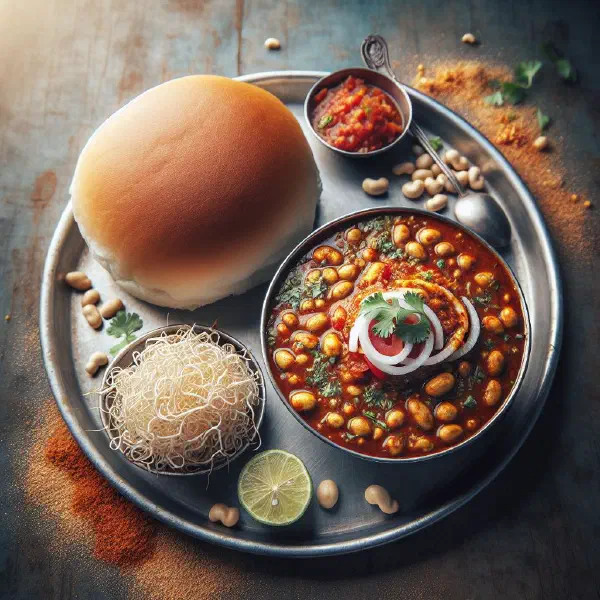
Pav Bhaji is a much-loved vegetarian dish from India, prized for its distinctive flavour and its endlessly adaptable preparation. At its heart is a mash of vegetables cooked down with a generous mix of aromatic spices such as cumin, coriander and garam masala. The exact make-up varies from region to region, and the result is a hearty, deeply satisfying dish enjoyed both as street food and at festive occasions. Served with soft bread rolls, the pav, it turns every meal into something special.
Ingredients (serves 1–2)
- 2–3 medium potatoes
- 1 cup peas (fresh or frozen)
- 1 large onion, finely chopped
- 1 large tomato, puréed
- 2–3 tablespoons pav bhaji masala
- 2–3 tablespoons butter or margarine
- Salt to taste
- Fresh coriander, to garnish
- Pav bread rolls
- Onions, to serve
Shopping for the ingredients
When shopping for pav bhaji, it is worth choosing fresh ingredients to get the best flavour. Visit a local market or an Asian grocery to find the spices and fresh vegetables you need. Most ingredients are usually easy to source in a regular supermarket, and many, especially the special spice blends such as pav bhaji masala, can also be ordered online.
Preparing the dish
Preparing pav bhaji takes a little groundwork to make sure the dish comes together quickly and smoothly. Start by peeling and dicing the potatoes so they cook through evenly in water. While the potatoes simmer, finely chop the onions and purée the tomatoes. A well-organised work surface makes the whole process easier and lets you cook at a relaxed, steady pace.
Step-by-step instructions
- Bring the potatoes to the boil in a pan of water, cook until soft, then drain and mash.
- Heat the butter in a large pan and sauté the chopped onions until translucent.
- Add the mashed vegetables, followed by the pav bhaji masala and the puréed tomato.
- Stir well and season with salt until everything is evenly combined and the aromas come through.
- Garnish with fresh coriander and serve warm, alongside the buttered pav rolls.
Gluten-free / lactose-free version
Pav bhaji is easy to make gluten-free and lactose-free. Swap the regular rolls for one of the widely available gluten-free alternatives so the dish suits anyone with a gluten intolerance. For a lactose-free version, simply use plant-based margarine instead of butter. That way every guest can enjoy this delicious dish without compromising on the ingredients.
Tips for vegans and vegetarians
Pav bhaji is naturally vegan as long as you replace the butter with a plant-based alternative. Take care to avoid hidden animal products when choosing your ingredients, particularly in spice blends or pre-processed foods. Fresh vegetables and herbs are key to an authentic flavour, so reach for seasonal produce wherever you can. This classic adapts easily to suit every kind of diet.
More tips and tricks
To get the most out of pav bhaji, let it simmer over low heat so the flavours have time to develop. A squeeze of lemon juice just before serving lifts the aroma and adds a pleasant freshness. Experiment with different vegetables, carrots or peppers, for example, to vary the taste. A little extra pav bhaji masala also helps you dial the flavour up to your liking.
Adapting the recipe to your taste
Pav bhaji is wonderfully versatile and easy to tailor to personal preference. Add fresh chillies if you like it hotter, or hold back on the spices for a milder result. The choice of bread can vary too, from wholemeal or garlic bread to gluten-free options. This way you can create a dish that fits your own taste exactly.
Ingredient substitutions
If certain ingredients for pav bhaji are not to hand, there are plenty of creative alternatives. Sweet potatoes in place of regular potatoes, for instance, make the dish more nutritious and lend it a distinctive flavour. Green beans and cauliflower work well as a stand-in for peas, the same hearty vegetables that shine in a Jackfruit Curry. Substitutions like these help you adapt the recipe to what is in season or to your own preferences.
Drink pairing ideas
A range of drinks pairs nicely with pav bhaji and complements its spicy notes. Classic options include masala chai (Indian spiced tea) or a refreshing nimbu pani (Indian lemonade). For an alcoholic pairing, a light beer or a not-too-heavy cocktail works well without overpowering the food. A cooling mint drink is another good way to add variety to the meal.
Serving and presentation ideas
Presentation can lift the whole pav bhaji experience. Serve the dish in an attractive bowl and garnish generously with chopped coriander and onions. Small dishes of chutney or fresh onion raita alongside the main dish add to both the look and the flavour of the meal. Arranging everything on a large platter with colourful sides creates an inviting spread.
A bit of history
Pav bhaji has its roots in Mumbai, where it emerged in the 19th century as a filling, convenient meal for workers. Street vendors began selling it to meet the needs of the city’s busy population. Over the years it has grown into a beloved dish not only across India but internationally too. Its combination of vegetarian comfort food and bold, spiced variety makes it a superb example of Indian cuisine.
More recipe ideas
Summary: Pav Bhaji
Pav bhaji is more than just a dish; it is a culinary experience that captures the flavour and culture of India. With its hearty mix of vegetables and inviting spices, it is an absolute treat for the senses. Pav bhaji brings colour and flavour to any table. Let this Indian classic inspire you and give it a try, your taste buds will thank you.