National Dish India: Pesarattu Dosa (Recipe)
In this article
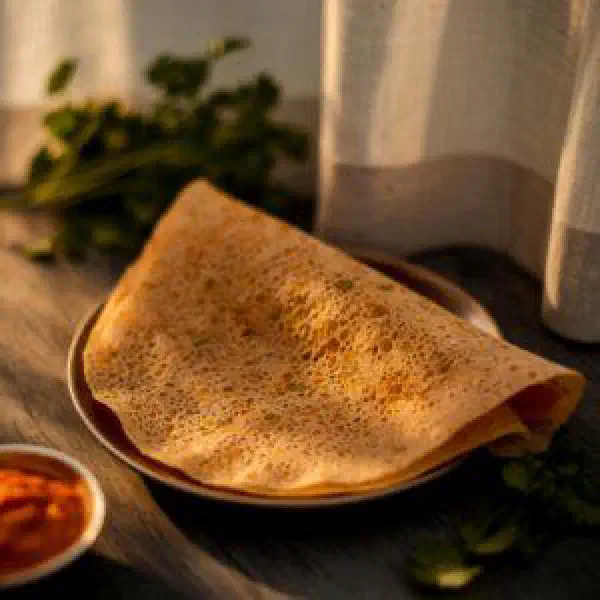
Meet Pesarattu Dosa, a wholesome Indian breakfast that brings together a nutty, crisp bite with bright, spicy chutneys and warming sambar. Made from protein-rich green mung beans, it is as nourishing as it is delicious, light enough for a morning start yet satisfying enough to keep you going. Easy to put together and endlessly adaptable, it is a brilliant way to taste the variety of southern India at home.
About Pesarattu Dosa
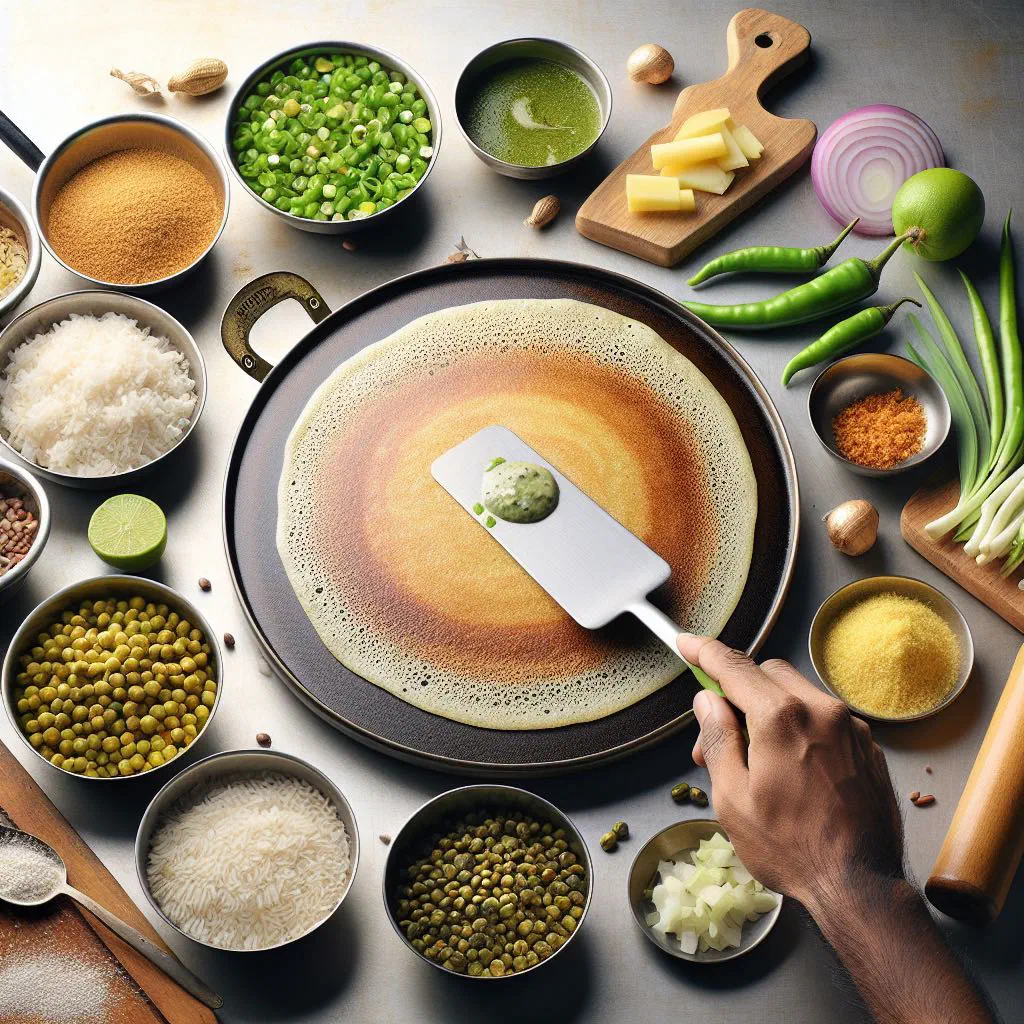
Pesarattu Dosa is a savoury take on the traditional dosa, celebrated for its crisp texture and nutty aroma. This particular version is made from green mung beans, which are delicious and rich in nutrients. The high protein content of the beans makes pesarattu a wonderful choice for a healthy breakfast or a light snack. This gem of Indian cuisine is simple to prepare and offers plenty of scope for variation.
Ingredients (serves 1–2)
- 1 cup green mung beans (soaked overnight)
- 1–2 green chillies (to taste)
- 1 small onion, finely chopped
- 1/2 teaspoon ginger paste
- Salt to taste
- Oil for frying
- Fresh coriander leaves, to garnish (optional)
Shopping for the ingredients
To make pesarattu dosa, it is best to buy your ingredients from an Indian grocery or a local market so you get the freshest mung beans. Look for good-quality beans to achieve the best flavour. Fresh green chillies and coriander can usually be found near the other spices and herbs. Don’t forget to pick out the oil for frying too, as this is what gives your dosa its lovely crisp texture.
Preparing the dish
Before you start cooking the pesarattu dosa, you need to rinse the green mung beans well and soak them overnight. This helps to soften the beans and shorten the cooking time. The next day, drain the beans thoroughly to get the best texture. Prepare the onions and chillies too, chopping them finely so they are ready to add later.
Step-by-step instructions
- Tip the soaked mung beans into a blender and purée together with the green chillies and ginger paste to a smooth batter.
- Pour the batter into a bowl and season with salt. Stir in the chopped onions and coriander.
- Heat a pan and add a little oil.
- Ladle some batter into the pan and spread it out evenly to form a thin dosa.
- Fry the dosa until golden on one side, then flip it over and cook the other side.
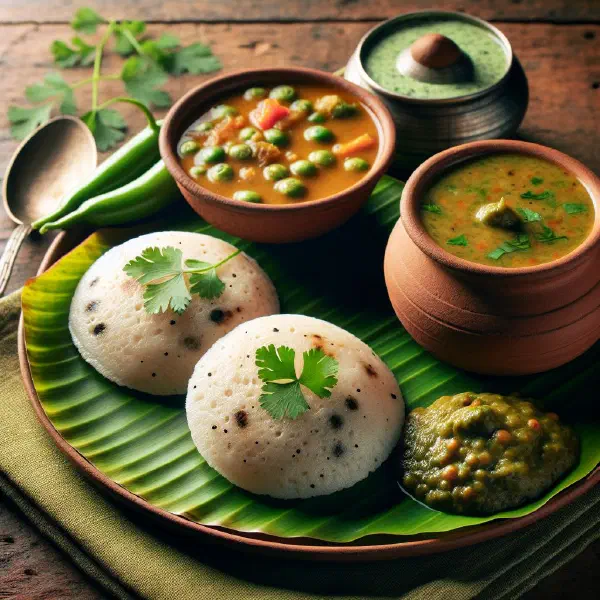
- Serve the pesarattu dosa hot, perhaps with chutneys or sambar.
Gluten-free / lactose-free version
Pesarattu dosa is naturally gluten-free, since it is made from mung beans. To keep your dish lactose-free as well, you can use plant-based oils or a ghee that has been made without dairy. These tweaks make the recipe ideal for anyone with intolerances or allergies. Just be sure to think about the ingredients in any sides and dips you serve alongside it too.
Tips for vegans and vegetarians
For vegans, pesarattu dosa is a great option as it contains no animal products at all. You can also stir different vegetables into the batter to boost the nutritional value even further. Serving it with a grain-free chutney makes the dish tastier and healthier still. Try a coriander-mint chutney or a coconut chutney on the side, for example.
More tips and tricks
A key tip when making pesarattu dosa is getting the consistency of the batter right. If the batter is too thick, the dosa won’t turn out properly crisp. Add a little water until you reach the consistency you want. Experiment with different spices such as cumin or turmeric to give the dish your own personal stamp. Using oils that take high heat well, such as groundnut or sesame oil, can also improve the flavour of the dosa.
Adapting the recipe to your taste
Pesarattu dosa is extremely adaptable and can be changed to suit your preferences. You might add extra ingredients such as finely grated carrots or spinach leaves for added nutrients. If you like it hotter, increase the amount of green chillies or add a pinch of red chilli powder. That way you create an individual touch that everyone will enjoy.
Ingredient substitutions
If you don’t have any green mung beans to hand, you can use other pulses such as lentils (as in a comforting Masoor Dal), which work just as well. For the vegetarian version, processed alternatives like soya yoghurt can stand in for traditional yoghurt. To add extra texture, you could also include oats for a different flavour. All of these options widen your choices and bring even more variety.
Drink pairing ideas
A number of drinks go wonderfully with pesarattu dosa. A fresh mint tea or cardamom tea is an excellent choice to complement the flavours of the dosa. For a sweeter option, you could serve buttermilk or lassi in various forms. These special drinks round off the whole Indian dining experience beautifully.
Serving and presentation ideas
The presentation of pesarattu dosa can be lifted with a little creativity and effort. Serve the dosas on a colourful plate and garnish them with fresh coriander leaves or a squeeze of lime juice for colour. Use small bowls for the chutneys to show off the variety. We eat with our eyes first; an appealing presentation makes every bite all the more delicious.
A bit of history
Pesarattu dosa has its roots in Andhra Pradesh, where it is traditionally enjoyed for breakfast. The use of mung beans reflects the nutrient-rich cuisine of this region, known for its healthy and savoury dishes. Originally created as a simple, everyday food, it has grown into a much-loved dish in Indian cuisine. Today pesarattu is a symbol of the history of Indian cooking, appealing to locals and visitors alike.
More recipe ideas
Summary: Pesarattu Dosa
Pesarattu dosa is a nutritious and flavourful dish that wins over lovers of Indian cuisine in no time. With its simple preparation and a wide range of ways to adapt it, it is an ideal dish for any occasion. Whether as a breakfast or a snack, pesarattu appeals to with its distinctive flavour and its health benefits. Let the culinary variety of India inspire you and enjoy this delicious treat.