National Dish India: Pithe (Recipe)
In this article
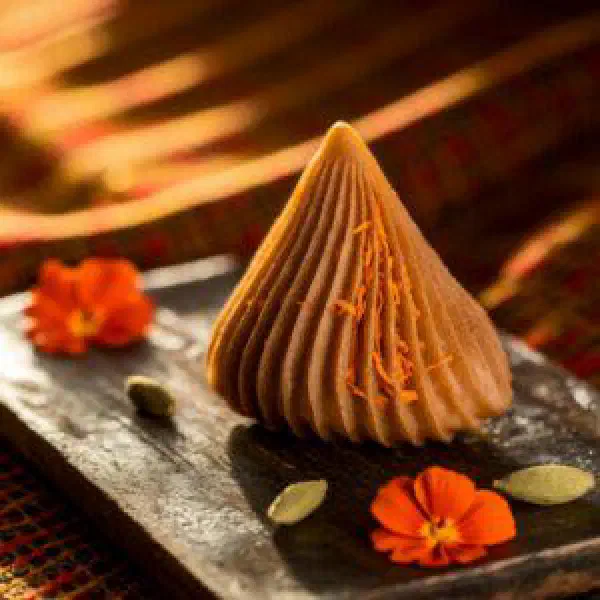
Meet Pithe, a treasured classic of the Indian kitchen built around delicate parcels of rice flour dough. These little dumplings can be filled and finished in countless ways, sweet or savoury, steamed or fried, and every region puts its own spin on them. Often made for festivals and family gatherings, pithe is the kind of comforting, hands-on dish that rewards a little patience with plenty of flavour and texture.
About Pithe
Pithe is a traditional Indian dish made from soft parcels of rice flour dough. These delicious pockets are widely enjoyed across the Indian kitchen and often appear at special occasions. The popularity of pithe reaches well beyond India’s borders, with each state boasting its own variations and fillings. Pithe offers a wonderful range of flavours and textures to suit every palate. Much like the steamed treats of South India, it celebrates the gentle, natural flavour of rice.
Ingredients (serves 1–2)
- 200 g rice flour
- 150 ml water
- 1 pinch of salt
- 100 g grated coconut (optional)
- 50 g sugar (for sweet versions)
- 250 g vegetables or meat (for savoury versions)
- Vegetable oil, for frying or steaming
Shopping for the ingredients
The ingredients for pithe are available in most Asian grocery shops and larger supermarkets. Rice flour is generally easy to track down, while fresh vegetables and grated coconut can vary depending on the region. Take care to pick the best and freshest ingredients to get the most out of the dish. It is often well worth visiting a local market, where you can find fresh, high-quality produce.
Preparing the dish
Preparing pithe involves a few key steps that help ensure the dish turns out beautifully. First, tip the rice flour into a bowl and add water and salt to form a smooth dough. If you are making the sweet version, this is the moment to stir in the sugar and grated coconut. For the savoury version, a number of ingredients will need to be washed and chopped before they go into the filling.
Step-by-step instructions
- Tip the rice flour into a bowl and slowly add water, working it into a smooth dough.
- Cover the dough with a cloth and let it rest for about 30 minutes.
- While the dough rests, prepare the filling: cook or sauté your choice of vegetables or meat.
- Divide the dough into small portions and roll them out into thin circles.
- Place the filling in the centre of each circle and press the edges firmly together to seal.
- Fry the filled pithe in a pan or steam them in a steamer until golden brown.
- Serve the finished pithe warm, either with a sauce or just as they are.
Gluten-free / lactose-free version
Pithe is easy to make gluten-free, simply because it relies on rice flour rather than wheat flour. This gluten-free option is ideal not only for people with coeliac disease but for anyone who prefers a gluten-free diet. No special adjustments are needed for a lactose-free version either, as the ingredients are naturally free from dairy. Do double-check the filling, though, in case any milk products have crept in.
Tips for vegans and vegetarians
Vegan and vegetarian versions of pithe are very popular and offer a wholesome alternative to traditional meat fillings. Try working vegetables such as carrots, courgette or spinach into the filling to pack in plenty of nutrients. Combining different vegetables makes for an exciting range of flavours. That way, vegans can enjoy these delicious dumplings too. Every bit as tasty as they are good for you.
More tips and tricks
To make the best pithe, it is important not to roll the dough out too thin or too thick. An evenly rolled dough gives a better result, as the dumplings cook more consistently. The edges of the parcels should also be sealed well so the filling does not leak out during cooking. With a little practice, you will quickly develop a feel for shaping this traditional treat.
Adapting the recipe to your taste
The fillings for pithe can be tailored to personal taste, ranging from sweet to savoury. Experiment with spices such as turmeric, cumin or ginger to deepen the flavour. Add nuts or dried fruit to give the sweet version a special touch. The versatility of pithe makes it easy to suit individual preferences and discover creative combinations, the kind of inventiveness that also shines in a Tamatar Chutney on the side.
Ingredient substitutions
If you do not have certain ingredients to hand, there is always an alternative. Instead of grated coconut, you could use toasted nuts to add a little crunch. For the filling, tofu or other plant-based proteins work nicely in place of vegetables. That keeps pithe both nourishing and interesting. Swaps like these mean the dish stays adaptable and can be reinvented again and again, much as the chickpeas in Sundal can be varied to taste.
Drink pairing ideas
A range of drinks pairs wonderfully with pithe, both with and without alcohol. For a refreshing note, you might serve a minty lemonade or a mild chai tea. If you prefer an alcoholic drink, a light Indian beer or a fruity cocktail is a good choice.
Serving and presentation ideas
The presentation of pithe can lift the dining experience considerably. Serve the dumplings on a stylish plate, garnished with fresh herbs or a sauce in the centre. Use colourful vegetable sides to make the dish delicious and visually appealing. Together with a thoughtful flourish, pithe becomes a real centrepiece on any table, a fitting companion to celebratory sweets such as Chanar Payesh.
A bit of history
Pithe has a long history in the Indian kitchen and is often associated with festivals and celebrations. In many regions of India it is traditional to enjoy pithe during Sankranti or other harvest festivals. These dumplings are part of the cultural heritage. By passing down recipes and methods of preparation, the tradition of pithe is kept alive across generations, a thread that runs through much of Indian cuisine.
More recipe ideas
Summary: Pithe
To sum up, pithe is a versatile, flavour-packed dish firmly rooted in Indian culture. Sweet or savoury, it opens up countless ways to prepare it. With simple ingredients and endless room for adaptation, pithe is a superb choice for any meal. Let the flavours of India work their magic and give this wonderful dish a try yourself.