National Dish India: Pongal (Recipe)
In this article
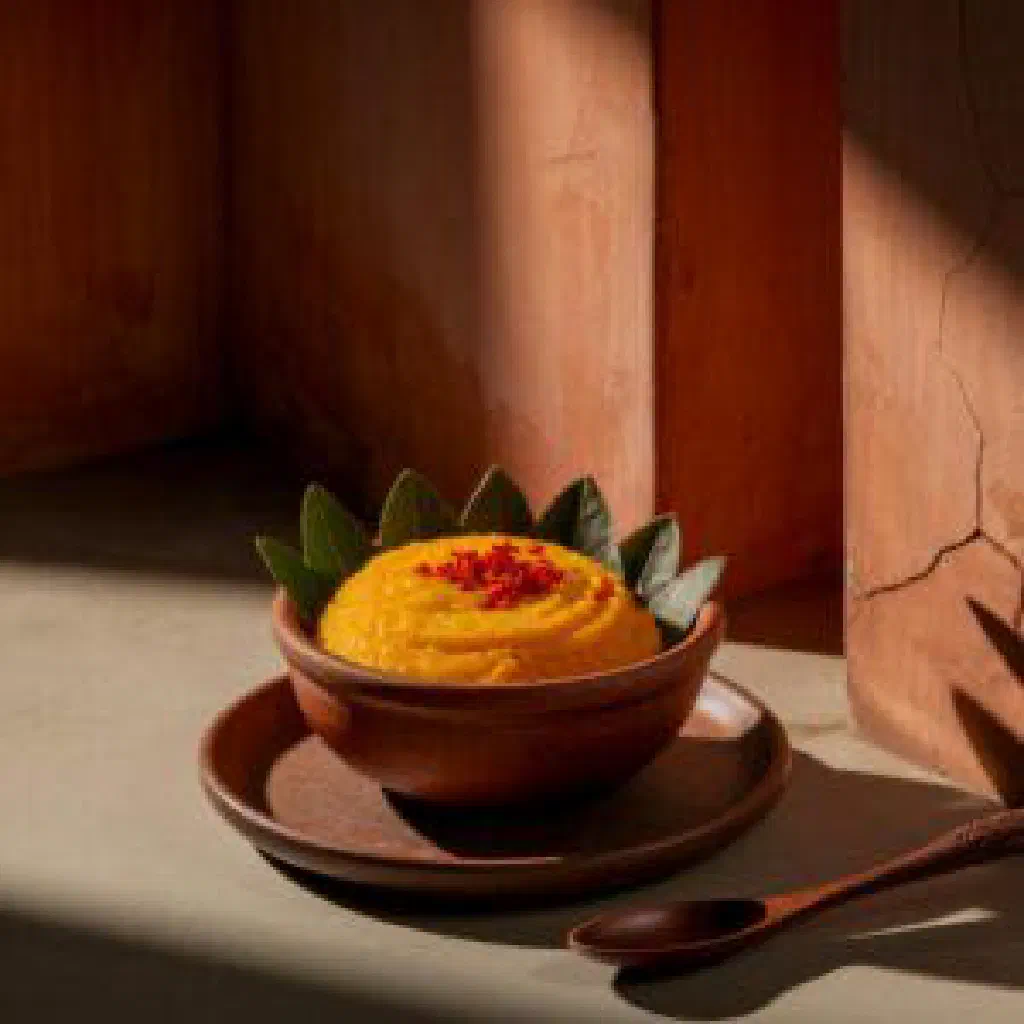
Meet Pongal, a comforting South Indian classic that turns humble rice and lentils into something genuinely special. Creamy, savoury and gently spiced, it is the kind of dish that feels like a warm welcome at the table. Tempered with mustard seeds, ginger and green chilli in a spoonful of ghee, it carries the soul of Tamil cooking. Best of all, it is wonderfully simple to make at home, whether for a festive celebration or an easy weeknight supper.
About Pongal
Pongal is a traditional Indian rice dish that wins people over with its delicious flavours and its straightforward preparation. It is generally made from rice and dal (lentils), giving it a texture that is both creamy and hearty. The blend of spices used in the cooking brings every flavour beautifully to life. Pongal is often served on special occasions, such as festivals, but it also has a firm place in everyday life, making it a true all-rounder of the South Indian kitchen.
Ingredients (serves 1–2)
- 1 cup rice
- 1/4 cup toor dal (yellow lentils)
- 2 cups water
- 1 teaspoon mustard seeds
- 1 teaspoon grated ginger
- 1–2 green chillies, finely chopped
- 1/4 cup peanuts (optional)
- 1 tablespoon ghee or oil
- Salt to taste
- Fresh coriander, to garnish
Shopping for the ingredients
When shopping for the ingredients for pongal, it is important to choose fresh, good-quality produce. The rice and dal should come from a trusted source to guarantee the best possible texture and flavour. Indian grocery shops often carry a wider selection of beans and lentils that are particularly suited to traditional dishes. Do not forget to check the spices too, as their freshness can have a considerable effect on the aroma of the finished dish.
Preparing the dish
Good preparation is the key to a successful pongal. First, rinse the rice and dal thoroughly to wash away any excess starch, which helps to stop the dish becoming too sticky. Soaking the lentils for around 30 minutes before cooking can also help shorten the cooking time. Get the aromatics ready by grating the ginger and chopping the green chillies, so everything is to hand once it is time to cook.
Step-by-step instructions
- Put the rice and dal together in a pan with the water.
- Bring the mixture to the boil, then lower the heat and let it simmer gently.
- Simmer for about 15–20 minutes, until the water has been absorbed and the mixture is creamy.
- Meanwhile, heat the ghee or oil in a separate pan and fry the mustard seeds with the ginger and green chilli.
- Add the peanuts and toast them briefly alongside.
- Stir the spice mixture into the rice and dal and combine well.
- Season with salt and garnish with fresh coriander.
Gluten-free / lactose-free version
Pongal is naturally a gluten-free and lactose-free dish, provided you swap the ghee for a vegetable oil. Avoid using butter or any products containing lactose. Many people with gluten or lactose intolerances find this dish thoroughly enjoyable and free from anything that might trouble them. It is a delicious and satisfying option for anyone who needs to keep a close eye on their diet.
Tips for vegans and vegetarians
For vegans, the important step is to replace the ghee with a plant-based oil such as coconut or olive oil. Otherwise pongal is naturally vegetarian and fits beautifully into a plant-based diet. To add even more flavour, you can also stir in vegetables such as carrots or peas to make the dish more nourishing. Do not be afraid to get creative and experiment with spices to tailor it entirely to your taste.
More tips and tricks
Another handy tip when making pongal is to add spices such as cumin or fresh turmeric for extra depth of flavour. To make the dish creamier, you can pour in a little more water or finish it with a dash of low-fat cream. Be sure to stir regularly to prevent it catching on the bottom of the pan. Once cooked, let the dish rest for a few minutes so the flavours have time to settle.
Adapting the recipe to your taste
When making pongal you are free to adapt the recipe to your own personal taste. Add dried fruit such as raisins or cashews, for instance, to create a sweeter version. You can also adjust the heat to suit yourself by reducing the number of green chillies or leaving them out altogether. Experiment with different spices or herbs for a fresh twist on the traditional recipe, much as you might when cooking a fragrant Vegetable Biryani.
Ingredient substitutions
If you do not have toor dal to hand, you can use red lentils instead, which cook more quickly and offer a similar flavour. When it comes to the rice, basmati rice can be a great choice if you want a finer texture. For the peanuts, almonds or walnuts make delicious alternatives.
Drink pairing ideas
Pongal pairs wonderfully with a range of drinks that complement the flavours of the dish. A refreshing mint yoghurt drink or a cup of masala chai offers a delicious contrast to the savoury food. For an alcohol-free option, a fruity lemonade mix could be a great choice to liven up the flavours. Even a classic glass of water with lemon can balance the tastes of the dish beautifully.
Serving and presentation ideas
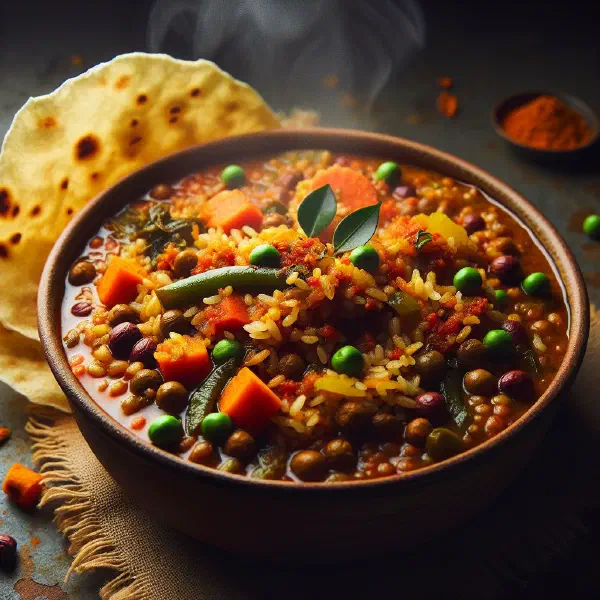
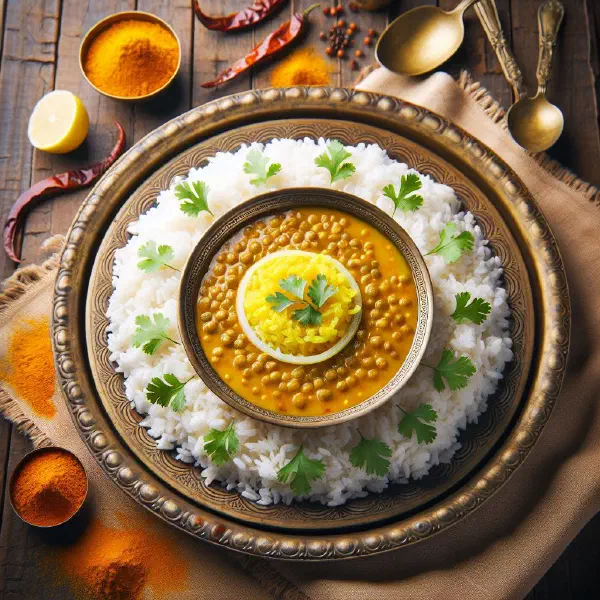
The presentation of pongal can considerably enhance the dining experience. Serve the dish in an attractively decorated bowl and garnish it with fresh coriander and perhaps a few toasted nuts for an appealing look. Use colourful plates to make the dish stand out visually and create an inviting atmosphere. Pairing it with brightly coloured vegetables also gives the dish an aesthetic lift.
A bit of history
Pongal has its origins in South India and is an important dish of Tamil cuisine. It is traditionally prepared during the Pongal festival, which celebrates the harvest season. The dish symbolises the blessing of the harvest and therefore holds deep cultural and spiritual value in Indian society. Over the years its preparation has steadily evolved, yet it remains a firm part of Indian tradition and a cherished example of Indian cuisine.
More recipe ideas
Summary: Pongal
In summary, pongal is an aromatic and nourishing dish that perfectly embodies the flavours and traditions of Indian cuisine. It offers a flexible base that can easily be adapted to suit different dietary needs, and it is just as well suited to festive occasions as it is to everyday meals. By choosing fresh ingredients and considering different methods of preparation, anyone can create their own individual pongal. Give the recipe a try and experience the authentic taste of India in your very own kitchen.