National Dish India: Pulao (Recipe)
In this article
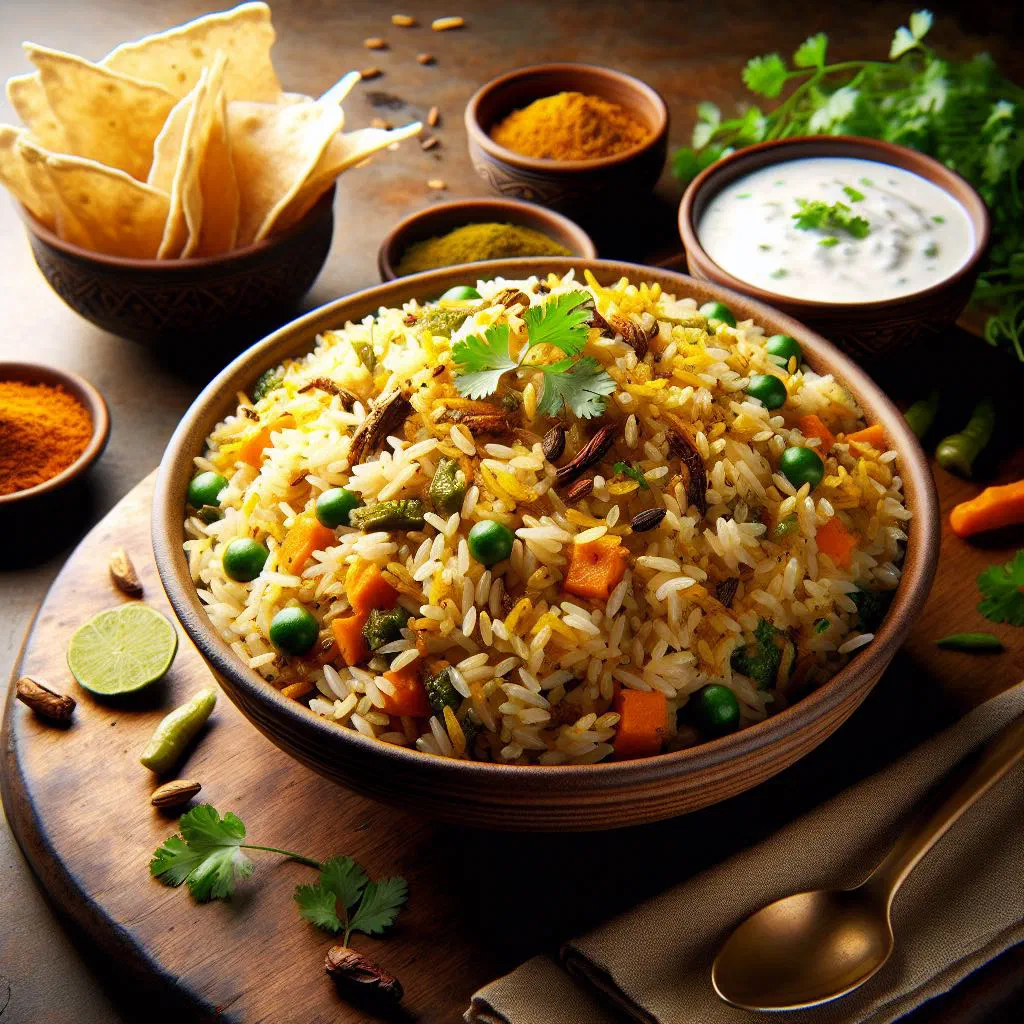
Discover Pulao, the fragrant rice dish that sits at the heart of Indian cooking. Built on fluffy basmati rice and a warming blend of whole spices, it brings together carrots, peas and the gentle aroma of cumin in one comforting pot. Endlessly adaptable, it works just as happily as a celebratory main course as it does a simple weeknight side. Bring the rich variety of Indian flavours straight to your own kitchen.
About Pulao
Pulao is a traditional Indian rice dish, prized for its many variations and its wonderful flavour. The name itself comes from the Persian word polow, meaning simply “rice”. Across India, pulao is prepared in countless ways, each adapted to local ingredients and regional tastes. Pulses or meat, it is so versatile that it suits almost any occasion, from an everyday family meal to a festive gathering.
Ingredients (serves 1–2)
- 1 cup basmati rice
- 2 cups water
- 1 onion, finely chopped
- 1 carrot, diced
- 1/2 cup peas (fresh or frozen)
- 2 tablespoons oil or ghee
- 1 teaspoon cumin seeds
- 2–3 cloves
- 1 cinnamon stick
- Salt to taste
- Fresh coriander leaves, to garnish
Shopping for the ingredients
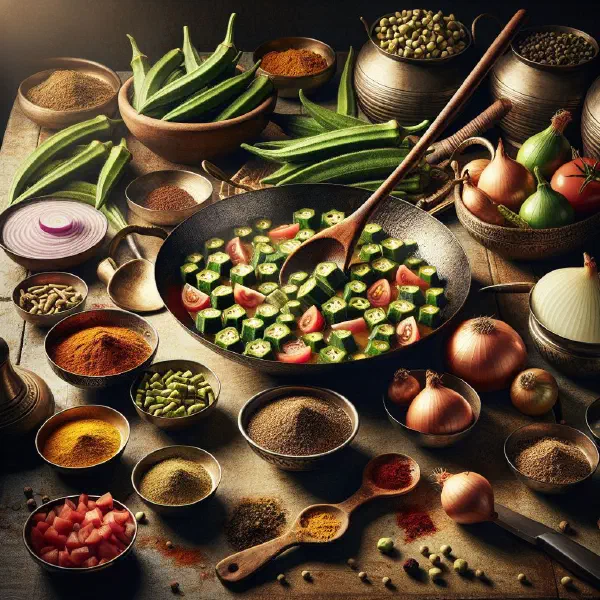
To make pulao, it pays to choose the best ingredients you can find. Start by seeking out good-quality basmati rice, as it is key to both the texture and the flavour of the finished dish. Many Asian grocers carry a wide selection of spices that will enrich the recipe beautifully. Remember to use fresh vegetables to get the most out of the flavour and the nutrients.
Preparing the dish
Before you cook the pulao, it is important to rinse the rice thoroughly. Wash the basmati under cold running water until the water runs clear, which removes excess starch and gives a lighter, fluffier result. Then leave the rice to soak in water for at least 30 minutes. This helps to shorten the cooking time and improves the final consistency.
Step-by-step instructions
- Heat the oil or ghee in a large pan and add the cumin seeds, cloves and the cinnamon stick. Let the spices sizzle for 1–2 minutes until fragrant.
- Add the chopped onion and fry until golden brown.
- Stir in the diced vegetables (carrots and peas) and cook for around 5 minutes.
- Add the soaked, drained rice and mix everything together well.
- Pour in the water, season with salt and bring the mixture to the boil.
- Once it boils, reduce the heat, cover the pan and let the pulao simmer gently for 15–20 minutes.
- After cooking, take the pan off the heat and leave it to rest for a further 5 minutes before lifting the lid.
- Fluff the pulao with a fork and garnish with fresh coriander leaves.
Gluten-free / lactose-free version
The traditional pulao recipe is already gluten-free and lactose-free, as long as you use ghee or plant-based oil. Just make sure the spices you use are also free from any gluten-containing additives. This makes the dish ideal for anyone who is sensitive to gluten or lactose, so you can tuck in without a second thought.
Tips for vegans and vegetarians
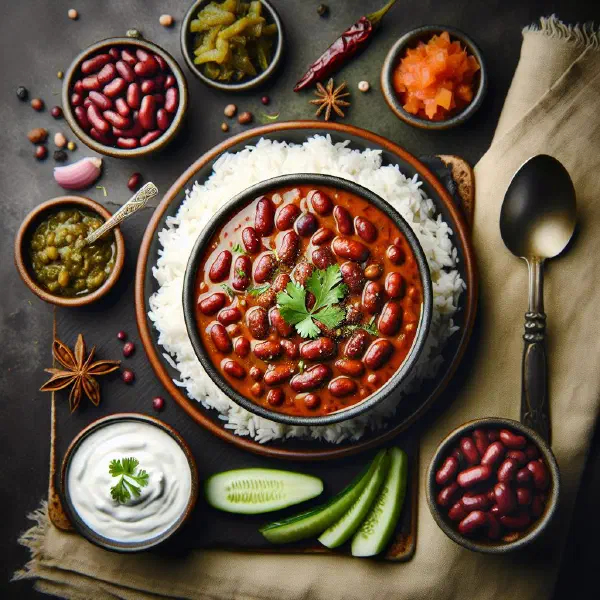
For vegans and vegetarians, pulao is an excellent choice, as it adapts so easily. Simply swap the ghee for plant-based oil and add extra vegetables or pulses to boost the protein content. Chickpeas or lentils make perfect additions, much as they do in a hearty Rajma. Experiment with different vegetables to tune the flavour to your own liking.
More tips and tricks
A few simple tricks can make your pulao even tastier. Experiment with different spice combinations, turmeric, cardamom or saffron can give the dish a whole new aroma. Take care not to overcook the rice, which keeps the grains separate rather than clumpy. And if you enjoy a smoky note, a single drop of liquid smoke stirred in at the end works a treat.
Adapting the recipe to your taste
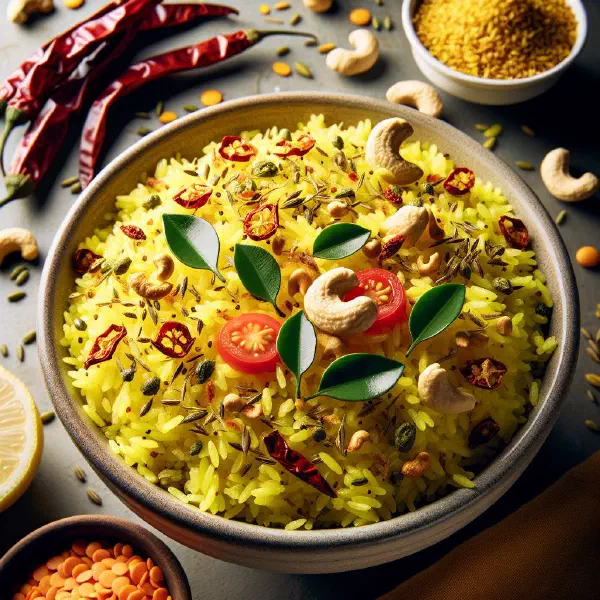
The wonderful thing about pulao is its flexibility. You can easily tailor the recipe to your own preferences by adding different ingredients and spices. Toss in dried fruit such as raisins, or cashew nuts for extra sweetness and crunch. You can also vary the vegetables with the seasons, working in treats like asparagus or courgette as they come into their own.
Ingredient substitutions
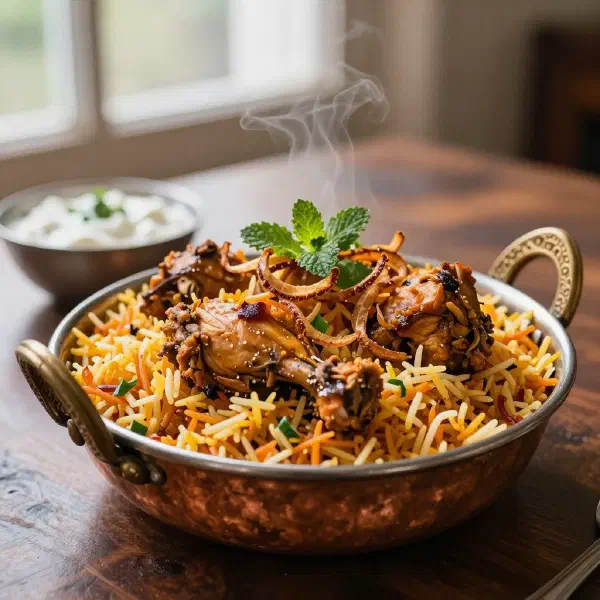
If you do not have every ingredient to hand, there are plenty of alternatives. Instead of basmati rice you can use jasmine rice, which has a slightly different but equally delicious flavour. The vegetables are easy to swap too. Try broccoli, peppers or pumpkin in their place. Be creative and discover new combinations, just as you might when reinventing a Vegetable Biryani.
Drink pairing ideas
Several drinks pair particularly well with pulao. A classic Indian mango lassi is a refreshing choice that complements the flavours of the dish beautifully. Mint tea or a zesty lime-and-mint cooler also make ideal companions. If you prefer something alcoholic, try a light Indian beer or a dry white wine.
Serving and presentation ideas
An appealing presentation can lift the whole eating experience. Serve the pulao in attractive serveware and garnish it with fresh herbs or toasted nuts. Use colourful vegetables to add visual accents, and take care to arrange the portions invitingly. A few lemon wedges for decoration provide a lovely extra splash of colour.
A bit of history
Pulao has a history, deeply rooted in Indian culture. It became a popular dish through the long history of trade between India and the Persian world. Over time the way pulao was prepared continued to evolve, giving rise to countless regional variations. Today it is a celebratory dish across India, often served on special occasions and a proud part of Indian cuisine.
More recipe ideas
- Vegetable Biryani — a rich rice dish with spices, vegetables and aromatic basmati.
- Ven Pongal — a comforting rice and lentil dish, ideal as a side.
- Semiya Payasam — a sweet Indian pudding, always a treat after a meal.
- Zarda Pulao — a fragrant sweet take on the classic pulao.
Summary: Pulao
Pulao is a versatile and flavourful dish that adapts easily to different dietary needs and tastes. From its straightforward preparation to its many intriguing variations, it has something to offer everyone. Enjoy the aromatic experience and bring a little piece of Indian cuisine into your own home. Gather the ingredients, follow the simple steps, and treat yourself and your guests to this delicious dish.