National Dish India: Rajma (Recipe)
In this article
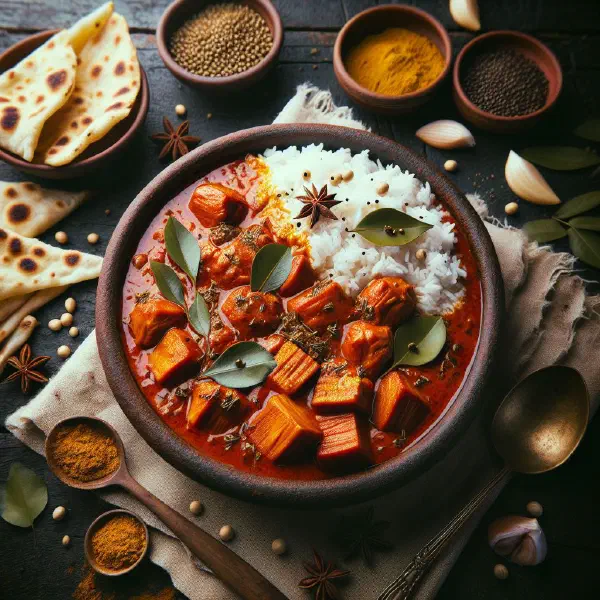
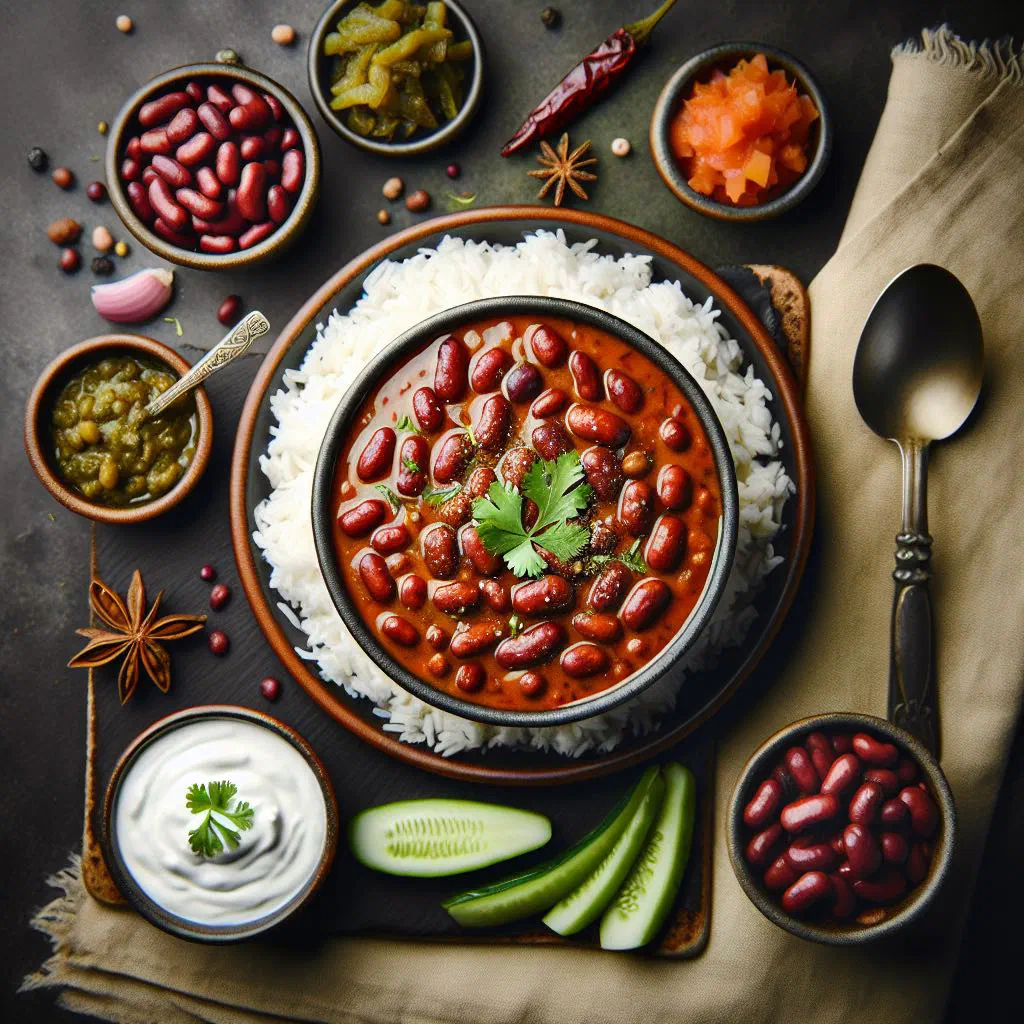
Discover Rajma, the comforting national dish of India. Tender red kidney beans simmer gently in a fragrant, spiced tomato sauce, ready to be spooned over steaming basmati rice or scooped up with warm chapati. With its warming blend of cumin, coriander and garam masala, it is the kind of soul-soothing home cooking that brings everyone to the table. Bring the authentic taste of Indian cuisine straight to your own kitchen.
About Rajma
Rajma is a traditional Indian dish built around tender red kidney beans and an aromatic tomato sauce. Across much of India, and especially in the north, it is a much-loved piece of home cooking, most often served with steaming hot basmati rice. The blend of spices gives the dish its unmistakable flavour and aroma, making it as welcome at an everyday family meal as at a festive celebration. Rajma carries stories of family and tradition, and has become a firm favourite with young and old alike.
Ingredients (serves 1–2)
- 200g red kidney beans (dried or tinned)
- 2 large tomatoes, diced
- 1 large onion, finely chopped
- 2–3 cloves of garlic, crushed
- 1 piece of ginger (1–2 cm), grated
- 2 tablespoons oil (such as sunflower or olive oil)
- 1 teaspoon cumin
- 1 teaspoon ground coriander
- 1 teaspoon garam masala
- Chilli powder to taste
- Salt to taste
- Fresh coriander, to garnish
Shopping for the ingredients
Before you start cooking Rajma, it is worth making sure you have everything to hand. The star of the show is the red kidney beans, which can be bought fresh or tinned. Fresh beans, however, need to be soaked overnight and then cooked before use. The other ingredients, tomatoes, onions and spices, are easy to find in most supermarkets.
Preparing the dish
To set the dish up for success, get all your ingredients ready first. Begin by peeling and chopping the onions and the ginger. While you do this, the tomatoes can be diced too. If you are using dried red kidney beans, be sure to soak them well beforehand to shorten the cooking time and improve the texture.
Step-by-step instructions
- Bring the red kidney beans to the boil in a pan with plenty of water and cook until soft (around 30–40 minutes for dried beans).
- Heat the oil in a pan and fry the onions until lightly golden.
- Add the ginger and garlic and fry briefly.
- Stir in the diced tomatoes and the spices and mix everything together well.
- Add the cooked beans, with a splash of water if needed, and let it simmer for a few minutes.
- Garnish with fresh coriander and serve hot.
Gluten-free / lactose-free version
Because Rajma is made from natural ingredients, it is gluten-free and lactose-free by nature. Simply take care, when choosing your spices and oils, that these too are free from gluten. The dish is a wonderful option for anyone with particular dietary needs, with no compromise on flavour or texture.
Tips for vegans and vegetarians
Rajma is an excellent dish for vegans and vegetarians, offering a protein-rich, nutrient-packed meal. To make the recipe even more nourishing, you can add extra vegetables such as spinach or carrots. This boosts the nutritional value and brings more colour and texture to the dish. It is a lovely example of how plant-based food can be every bit as filling and flavourful.
More tips and tricks
To make your Rajma even more delicious, try adding a squeeze of lemon juice or a pinch of sugar to round off the flavours. Letting the beans simmer slowly in the sauce helps the taste develop. Combined with the right balance of spices, the dish becomes a memorable experience. Feel free to experiment with different ingredients to create your very own version of Rajma.
Adapting the recipe to your taste
Ultimately, Rajma is a versatile dish that is easy to tailor to different tastes. The possibilities are almost endless. If you fancy varying the beans, for example, black beans or chickpeas work well too and give the dish a different twist, chickpea lovers might also enjoy Sundal. The key is to keep an eye on the spices so the character of the dish stays intact.
Ingredient substitutions
If you do not have red kidney beans to hand, you can use kidney beans or cannellini beans instead. For a different pulse-based dish along similar lines, Masoor Dal is well worth a look. Omnivores might add chicken or beef to make the dish more hearty, though in its purest form Rajma remains a vegetarian pleasure. For the tomato sauce, too, you can choose between fresh tomatoes and passata, depending on what you prefer or have available.
Drink pairing ideas
A variety of Indian drinks pairs beautifully with Rajma. Lassi, whether sweet or salty, is a refreshing choice that balances the spicy notes of the dish. Sparkling water or a light Indian beer also make good companions that support the flavours. If you want something a little more special, an aromatic tea is the perfect way to round it all off.
Serving and presentation ideas
The way you present Rajma can add a great deal to the pleasure of the meal. Serve the dish in traditional Indian clay bowls for an authentic touch. A garnish of fresh coriander and a few lemon wedges on the plate adds extra colour and appeal. Pair the dish with a colourful salad or a raita to create a balanced meal.
A bit of history
Rajma originally came from Mexico, but over time it was adopted by Indian cooks and woven into the local cuisine. It is said that Rajma is traditionally prepared by Indian families across many regions, especially as part of the Sunday family meal. Cooking the dish is often an occasion that brings family members together to enjoy the preparation and share stories. In this way Rajma carries culinary and cultural meaning.
More recipe ideas
- Paneer Butter Masala – Indian cheese in a rich spiced sauce
- Vegetable Biryani – fragrant rice with vegetables
- Pav Bhaji – spiced vegetable mash with soft bread rolls
- Rasam – tangy, peppery South Indian soup
Summary: Rajma
Rajma is a true expression of Indian culture and tradition. The combination of tender red kidney beans, a spiced sauce and a wealth of spices makes it a memorable experience. This dish brings more than flavour to the plate; it also tells stories of family, festivities and tradition in India. Give it a try and discover the flavours of India right in your own kitchen.