National Dish India: Rasam (Recipe)
In this article
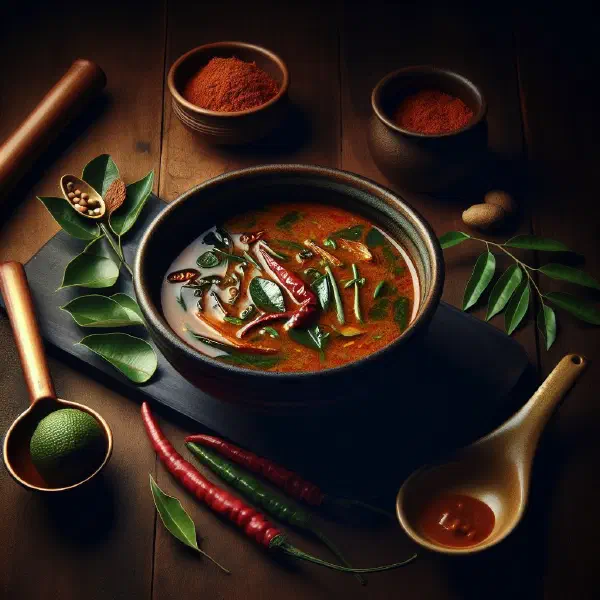
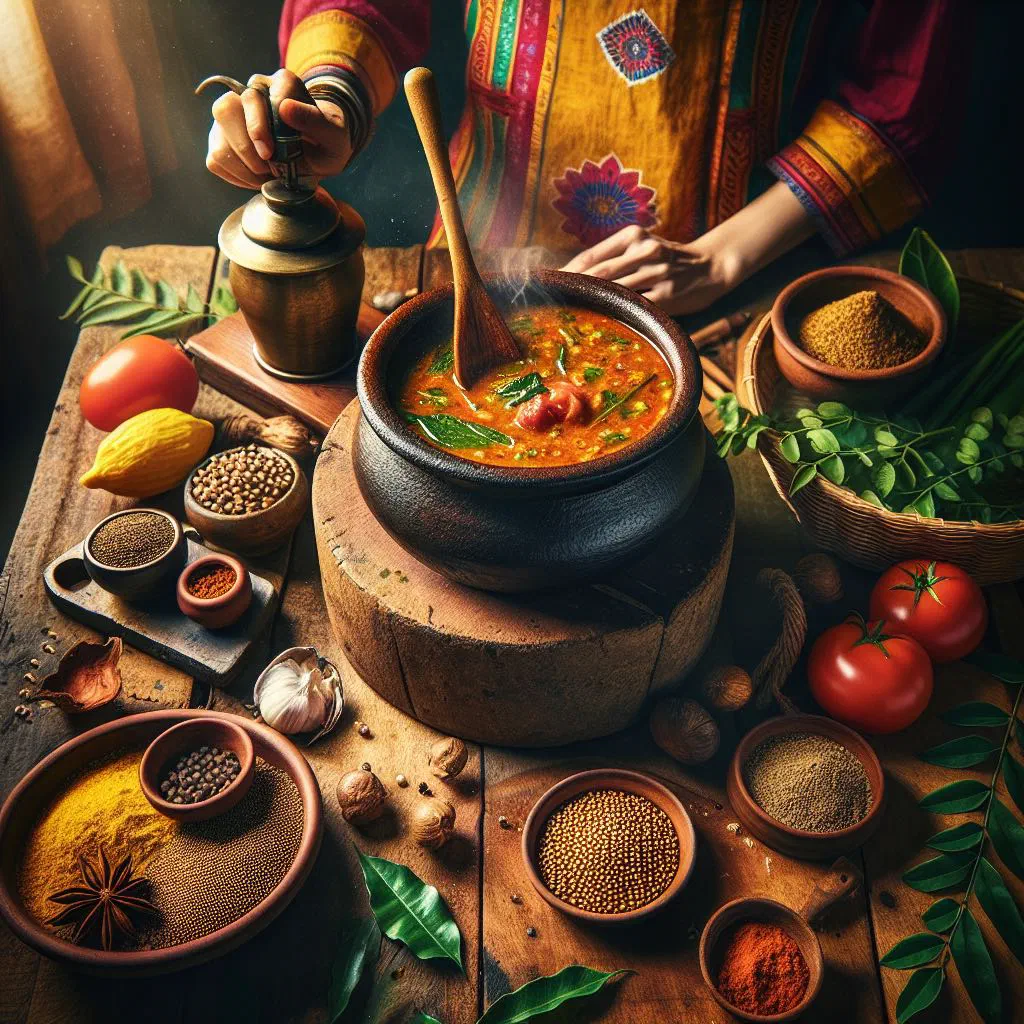
Discover Rasam, a wonderfully fragrant South Indian soup brimming with bright, spicy flavour. Built around ripe tomatoes, tangy tamarind and a warming blend of spices, it is as comforting on its own as it is served over rice. Light yet deeply aromatic, this humble little soup brings a real taste of Indian cuisine to your table. It is the kind of dish that turns an ordinary meal into something special.
About Rasam
Rasam is a traditional Indian dish that hails from South India and is celebrated for its spicy, aromatic flavours. This fragrant little soup comes in countless variations and is often served as an accompaniment to rice. It is made with fresh ingredients such as tomatoes, tamarind and spices, which come together to create a harmonious balance of flavours. In many Indian households, rasam is enjoyed as part of lunch and as a much-loved comfort food.
Ingredients (serves 1–2)
- 1 cup = 240 ml water
- 1 large ripe tomato, diced
- 1 tsp tamarind paste
- 1 tsp rasam powder (or to taste)
- 1/2 tsp turmeric
- 1 tsp mustard seeds
- 1–2 green chillies, to taste
- Fresh coriander leaves, to garnish
- Salt to taste
Shopping for the ingredients
When shopping for the rasam ingredients, it is important to look for freshness in your produce. The tomatoes should be ripe and juicy to bring out the best flavour. Tamarind paste and special rasam spices are often available in Indian grocery shops. Alternatively, many of these ingredients can also be ordered online, which makes the search that much easier.
Preparing the dish
Preparing rasam is simple and takes only a few steps. First, dice the tomatoes into small pieces and adjust the green chillies to taste. The coriander leaves should be finely chopped and set aside, ready to garnish the dish later. This bit of groundwork keeps the cooking process running smoothly and helps the flavours come through at their best.
Step-by-step instructions
- Bring the water to the boil in a pan and add the diced tomatoes.
- Stir in the tamarind paste, rasam powder and turmeric, and let it simmer for about 5–7 minutes.
- In a separate pan, toast the mustard seeds in a little oil until they begin to pop.
- Add the toasted mustard seeds together with the green chillies to the tomato mixture.
- Season with salt and stir well. Let it simmer gently if needed.
- Garnish with fresh coriander leaves just before serving.
Gluten-free / lactose-free version
Rasam is naturally gluten-free and lactose-free, which makes it an ideal choice for anyone with particular dietary needs. The ingredients used, such as vegetables and spices, are free from gluten and lactose by nature. You can therefore enjoy rasam with complete peace of mind, without having to make any adjustments. Do take care, however, that any additional products you use, especially stocks or ready-made spice blends, are also free from gluten.
Tips for vegans and vegetarians
Rasam is an excellent dish for vegans and vegetarians, as it contains no animal products at all. If you fancy an extra protein boost, you can add a little yellow lentils or some cooked chickpeas, much as you would in a bowl of Rajma, to enrich the dish. These additions increase the nutritional value and give it a heartier consistency. Enjoy rasam as a light main course or as an accompaniment to other plant-based dishes.
More tips and tricks
One key thing when cooking rasam is to experiment with the spices. Anyone can adjust the amount of rasam powder and chillies to vary the heat to their personal taste. To deepen the aroma, you can also add further spices such as garam masala or fresh ginger. Let your creativity guide you and find your favourite combination.
Adapting the recipe to your taste
The rasam recipe is easy to tailor to personal preference. For example, you can add different vegetables such as carrots or green beans to bring in extra texture and nutrients. If you prefer a less tangy flavour, simply reduce the amount of tamarind paste.
Ingredient substitutions
If you do not have tamarind paste to hand, you can use lemon juice instead to achieve a similar tartness. The rasam powder can also be replaced with a blend of chilli, coriander and cumin, which is just as rich in flavour. Do not be shy about trying something new as you experiment with different ingredients. These variations can make the tasting experience all the more interesting.
Drink pairing ideas
To enjoy a complete Indian meal, drinks such as mango lassi or chai make a wonderful match for the spicy notes of rasam. For an alcohol-free option, a refreshing mint water or lemonade would be a good choice. These drinks offer a perfect balance to the bold flavours of rasam and make the whole eating experience even more enjoyable. Experiment with different drinks to find your own personal combination.
Serving and presentation ideas
The way you present rasam can help make the meal even more appealing. Serve the rasam in an attractive bowl and garnish it with fresh coriander leaves. A squeeze of lemon juice over the dish just before serving can heighten that burst of aroma. You might also present the rasam in lovely papier-mâché tableware or traditional Indian crockery to underline the authentic experience.
A bit of history
The roots of rasam reach back to ancient South Indian cuisine, where it was originally served as a digestive after a heavy meal. Its simple yet delicious ingredients are known to have brought relief to people living in India’s hot climates. Over time, this soup has grown into a cornerstone of South Indian cooking and has found favour in other regions of India too. Historically, many different versions of rasam were created depending on which ingredients were available locally.
More recipe ideas
- Masoor Dal – a hearty lentil dish that pairs well with rasam
- Sundal – a light South Indian side that goes nicely with rasam
- Ven Pongal – a comforting rice dish to serve alongside
- Jackfruit Curry – complements the flavours of rasam beautifully
- Tamatar Chutney – a tangy tomato accompaniment in the same spirit
Summary: Rasam
Rasam is a delicious traditional dish that is simple to prepare and appeals to with its wonderful range of flavours. It brings the fiery flair of India into your own kitchen. The use of fresh ingredients and the recipe’s adaptability make it a culinary highlight suited to every taste. Let the aromatic spices and wholesome ingredients inspire you, and dive into the world of rasam.