National Dish India: Sambar (Recipe)
In this article
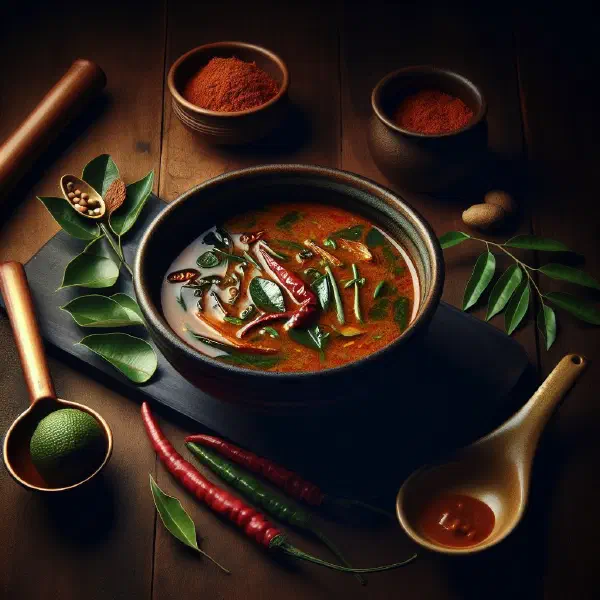
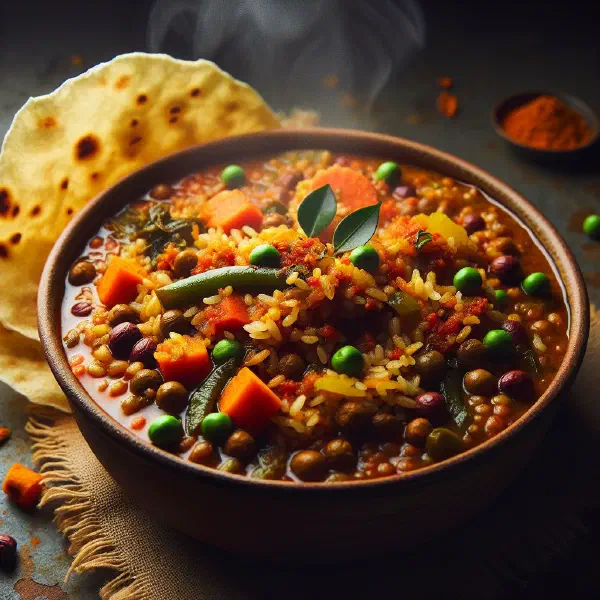
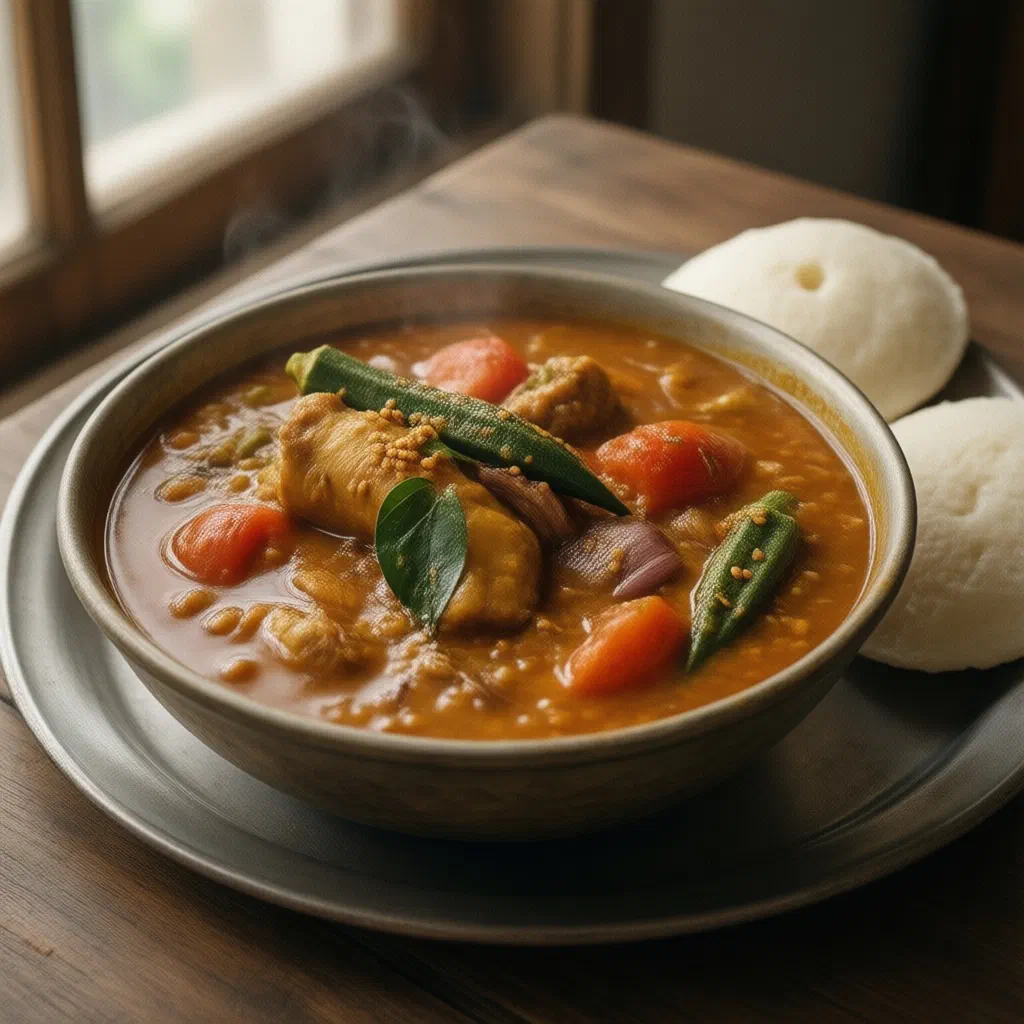
Discover Sambar, the soulful, lentil-based stew that anchors so many South Indian meals. This warming dish brings together tender lentils, an everyday mix of vegetables and a fragrant blend of spices, all lifted by the signature tang of tamarind. Whether ladled over a mound of rice or served alongside fluffy idlis, it is a comforting, nourishing plate that has won admirers far beyond India. Easy to put together and endlessly forgiving, it is the kind of recipe that invites you to slow down and savour the bright, layered flavours of southern India.
About Sambar
Sambar is a traditional dish from South India, beloved for its rich, savoury blend of lentils, vegetables and a distinctive medley of spices. In countless households it is a daily staple, most often served with rice or with idlis. Its hallmark is a gentle sourness drawn from tamarind, which gives the stew an unmistakable aroma that has pleased food lovers around the world. The preparation is not only straightforward but a genuine culinary experience, drawing the cook into the colourful world of Indian cooking. Like a good Rasam, it proves how much depth a humble bowl of lentils can hold.
Ingredients (serves 1–2)
- 1 cup lentils (such as toor dal)
- 1 cup mixed vegetables (such as carrots, beans, pumpkin)
- 2 tablespoons tamarind paste
- 1 teaspoon mustard seeds
- 1 teaspoon cumin
- 1–2 green chillies
- 1 onion, diced
- 2–3 sprigs fresh coriander
- Salt to taste
- 2–3 cups water
Shopping for the ingredients
When sourcing the ingredients for sambar, head to an Asian grocery or a local market that stocks Indian produce. Many of the spices you need are sold in dried form and will keep for several months, so it is worth building up a small store cupboard. Pay particular attention to the quality of the tamarind paste, as it is decisive for the flavour of the finished dish. Fresh vegetables are best chosen by hand; seasonal varieties taste better and offer the most nutrition.
Preparing the dish
Before you start cooking sambar, wash the vegetables thoroughly and cut them into even pieces. The lentils should also be rinsed and, depending on the type, soaked for around 30 minutes to shorten the cooking time. This also helps the lentils cook evenly. While they soak, you can ready the spices such as mustard seeds and cumin so the dish comes together quickly later on.
Step-by-step instructions
- Bring the soaked lentils to the boil in a pan with 2–3 cups of water and cook for 15–20 minutes.
- Add the chopped vegetables and cook for a further 10 minutes, until everything is tender.
- In a separate pan, toast the mustard seeds and cumin in a little oil until they begin to splutter.
- Add the diced onion and green chillies and give them a few minutes to soften.
- Stir the tamarind paste and salt into the lentils and vegetables, mixing well.
- Let the dish simmer for another 5 minutes so the flavours meld together.
- Garnish with fresh coriander and serve hot.
Gluten-free / lactose-free version
One of the best things about sambar is that it is naturally gluten-free and lactose-free. Make sure all your spices and ingredients are also free from gluten, especially if you are using packaged products, and check carefully for any hidden ingredients that might contain it. This makes the dish an excellent option for anyone with food intolerances, much like a comforting bowl of Masoor Dal.
Tips for vegans and vegetarians
For vegans and vegetarians, sambar is a superb choice, since it relies entirely on plant-based ingredients. Using a variety of vegetables lets you boost both the nutrients and the fibre in your diet. You can also enrich the dish with coconut or other plant proteins to raise the protein content. That way it stays nourishing and versatile and full of flavour.
More tips and tricks
To get the most out of your sambar, it is worth using fresh spices and experimenting with different vegetables. Sweet potato or courgette, for example, add lovely variation in flavour and texture. Making your own tamarind paste can also improve the taste considerably. Another handy tip is to stir in a little coconut milk for a gently creamy texture.
Adapting the recipe to your taste
Everyone has different preferences, and sambar is easy to adjust. If you like things hotter, add extra chillies or a pinch of cayenne pepper. You can also vary the amount of tamarind paste to make the dish more or less tangy. Experiment with different vegetables, or even with protein-rich pulses, to tailor the recipe to your own taste. The same spirit of improvisation works beautifully in a hearty Rajma.
Ingredient substitutions
If some ingredients are hard to find, there are several alternatives for making sambar. You could use red lentils in place of toor dal, although the flavour will differ slightly. The tamarind paste can be swapped for lemon juice, but bear in mind this will change both the taste and the consistency. The vegetables can vary with the seasons too, so you can always reach for fresh produce.
Drink pairing ideas
To round off the flavours of sambar, a number of drinks work beautifully. A classic Indian masala chai pairs wonderfully with the dish’s spicy notes. For an alcohol-free option, a mild lassi, either sweet or salted, makes a refreshing companion. If you prefer something lighter, sparkling water with lime or coconut water will help harmonise the aromas.
Serving and presentation ideas
A thoughtful presentation of sambar can whet your guests’ appetite even further. Serve it in a pretty, colourful bowl and garnish with fresh coriander and a squeeze of lemon juice to brighten the colours and aroma. A dollop of yoghurt or coconut milk also makes an attractive addition. For an authentic Indian touch, decorative plates and serveware help set the mood as the meal is served.
A bit of history
Sambar has a history that reaches back to the Chola dynasty, when the dish served as a valued source of nourishment at feasts and celebrations. It is often said to have originated in the region of Tamil Nadu, spreading from there to other parts of India and the wider world. Over the years, each region has added its own touch and variations, leading to a wealth of recipes. Today sambar is not only a main dish but a symbol of Indian food culture and a cornerstone of Indian cuisine.
More recipe ideas
Summary: Sambar
Sambar is a truly authentic, well-balanced dish that is rich in nutrients and full of flavour. Thanks to its knack for adapting to different tastes and preferences, it has earned a lasting place in Indian cooking. Bringing together lentils, vegetables and a wealth of spices, sambar becomes a culinary experience to be enjoyed both on its own and in good company. Over the centuries it has won the hearts of those who taste it and stood as a marker of the rich culture and tradition of South India.