National Dish India: Samosa (Recipe)
In this article
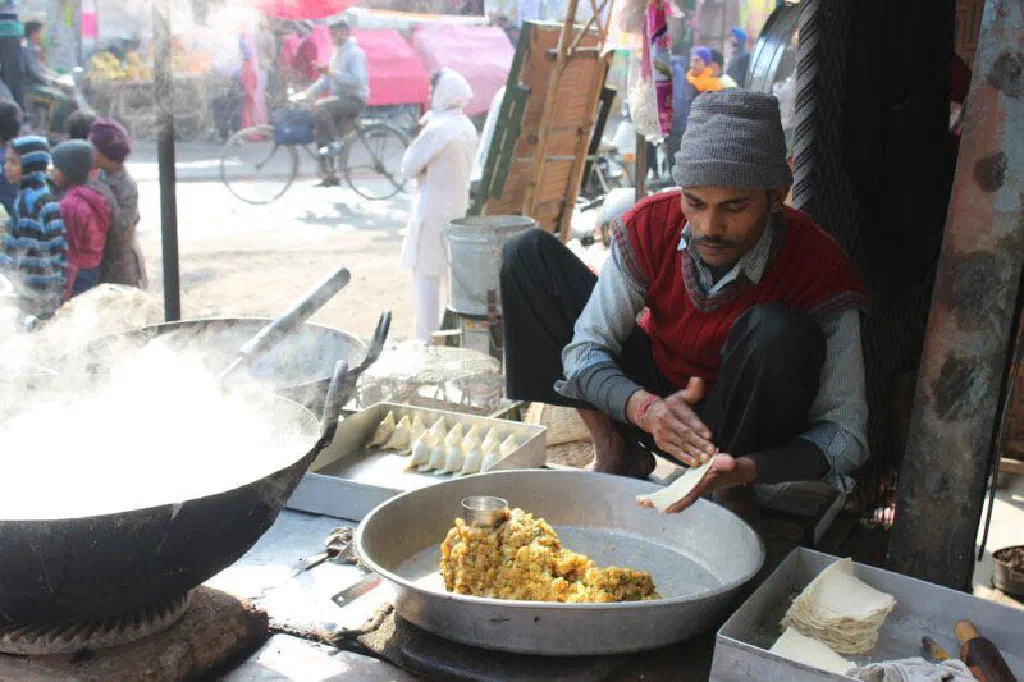
Discover Samosa, one of India’s most iconic snacks. These crisp, golden pastry parcels are filled with a fragrant mix of vegetables, potatoes, pulses or meat, then fried until beautifully crunchy. Equally at home at a lively party or as a simple lunch, they carry the warm, exotic aromas of garam masala, cumin and coriander in every bite. Bring the buzz of an Indian street stall straight to your own kitchen.
About Samosa
Samosa is a much-loved Indian pastry, prized for its crisp shell and its endlessly adaptable filling. At its heart is a folded parcel of dough wrapped around a savoury mixture of vegetables, potatoes, pulses or meat. It is a hugely popular dish that works just as well at a festive gathering as it does for a relaxed midday meal. The exact make-up varies from cook to cook, and the result is always a hearty, satisfying treat that turns any occasion into something special.
Ingredients (serves 1–2)
- 2 cups plain flour
- 1/2 cup ghee or oil
- 1/2 teaspoon salt
- 1/4 teaspoon bicarbonate of soda
- 1 cup chopped onions
- 1 cup chopped vegetables (e.g. carrots, peas, peppers or cauliflower)
- 1 cup chopped potatoes
- 1 teaspoon garam masala
- 1 teaspoon turmeric
- 1/2 teaspoon chilli powder
- 1/2 teaspoon cumin seeds
- 1/2 teaspoon ground coriander
- 1/2 teaspoon ground caraway
- 1/2 cup chopped coriander leaves
- 1/2 cup chopped mint leaves
- 1/2 cup chopped almonds
- 1/4 cup olive oil
- 1/2 cup water
Shopping for the ingredients
When shopping for samosas, it is well worth choosing fresh ingredients to get the best flavour. If you are using vegetables, look for produce that is plump, juicy and crisp. The spices should be fresh too, as they have a real influence on the taste of the finished dish. Pay attention to the quality of the oil as well, since this can also shape the overall flavour. Many of these ingredients, including special spice blends, are easy to find in an Asian grocery or to order online.
Preparing the dish
Before you start cooking, it pays to get all your ingredients ready. That means chopping and grinding the vegetables, potatoes and spices in advance. The coriander and mint leaves should be finely chopped, and the almonds either chopped or grated. A well-organised work surface lets the whole process flow smoothly and means you can assemble the samosas at a relaxed, steady pace.
Step-by-step instructions
- For the dough, put the flour, ghee or oil, salt and bicarbonate of soda into a bowl and mix well.
- Slowly add the water and knead until the dough is smooth and elastic. Cover it and leave to rest for 30 minutes.
- Meanwhile, prepare all the ingredients for the filling.
- Take a piece of dough, shape it into a ball, then roll it out into a circle around 8 cm in diameter.
- Cut the circle in half to form two semicircles.
- Fill each semicircle with the spiced mixture and seal the edges firmly to make a parcel.
- Heat the olive oil in a deep pan over medium heat.
- Fry the samosas in the hot oil until they are golden brown all over.
- Lift them out with a slotted spoon and drain on kitchen paper before serving.
Gluten-free / lactose-free version
Samosas are easy to adapt for a gluten-free or lactose-free diet. Swap the plain flour for a gluten-free flour blend so the pastry suits anyone with a gluten intolerance, and check that your spice mixes are free from hidden wheat. For a lactose-free version, use oil or plant-based margarine in place of ghee. That way every guest can enjoy these crispy parcels without compromising on the ingredients.
Tips for vegans and vegetarians
Samosas are naturally suited to a vegan diet when you make a few simple swaps. Instead of ghee or oil, you can use coconut oil or olive oil, and the filling can be varied too, replace any meat with tofu or chopped nuts for a hearty, plant-based result. Take care to avoid hidden animal products in pre-mixed spices, and reach for fresh, seasonal vegetables and herbs to keep the flavour authentic. Much like the comforting Rajma, this classic adapts effortlessly to a meat-free table.
More tips and tricks
To get the most out of your samosas, make sure the oil is properly hot before frying so the pastry turns crisp rather than greasy. Sealing the edges firmly is key, otherwise the filling can leak out during cooking. A squeeze of lemon juice or a sprinkle of extra garam masala lifts the filling and adds a pleasant freshness. Frying in small batches keeps the temperature steady and gives you an even, golden finish every time.
Adapting the recipe to your taste
Samosas are wonderfully versatile and easy to tailor to personal preference. Add fresh chillies or a little more chilli powder if you like things hotter, or hold back on the spices for a milder result. You can mix and match the vegetables in the filling, carrots, peas, peppers or cauliflower all work beautifully, or even fold in a handful of pulses. This way you can create a samosa that fits your own taste exactly.
Ingredient substitutions
If certain ingredients are not to hand, there are plenty of creative alternatives. Sweet potatoes in place of regular potatoes make the filling more nutritious and lend it a distinctive flavour, while green beans or cauliflower can stand in for peas. For the pastry, ghee can be replaced with oil or coconut oil with no loss of crispness. The same hearty spices that shine here also bring depth to a Jackfruit Curry, so feel free to adapt the recipe to what is in season.
Drink pairing ideas
A simple but delicious non-alcoholic drink that pairs beautifully with samosas is lassi, the traditional Indian yoghurt drink made with water, sugar and a touch of spice. A fruity mango smoothie is another lovely option that balances the warmth of the filling. For something hot, a cup of masala chai works wonderfully, while a cooling mint drink adds a refreshing note to the meal.
Serving and presentation ideas
Presentation can lift the whole samosa experience. Arrange the golden parcels on a large platter and serve them with small bowls of chutney, mint, coriander or tamarind all work well. A scattering of fresh coriander and a wedge of lemon make the plate look inviting, while a Tamatar Chutney on the side adds both colour and a tangy contrast. Served warm and freshly fried, samosas are always a crowd-pleaser.
A bit of history
The story of the samosa reaches back to the 12th century, when it was known in Persia as samsa. Over the centuries it travelled across many countries and cultures, gradually evolving with local ingredients and tastes along the way. Today it has become one of the best-loved snacks in India and a shining example of Indian cuisine, enjoyed at street stalls, family kitchens and celebrations alike.
More recipe ideas
Summary: Samosa
Samosa is a classic Indian national dish, a crisp pastry parcel filled with a fragrant mix of vegetables, potatoes, pulses or meat. It is a hugely popular treat that works just as well at a lively party as it does for a simple lunch. This recipe has walked you through the ingredient list, shopping and preparation tips, a step-by-step method, vegan-friendly swaps and ideas for refreshing drinks to serve alongside. Let this Indian favourite inspire you and give it a try, your taste buds will thank you.