National Dish India: Sundal (Recipe)
In this article
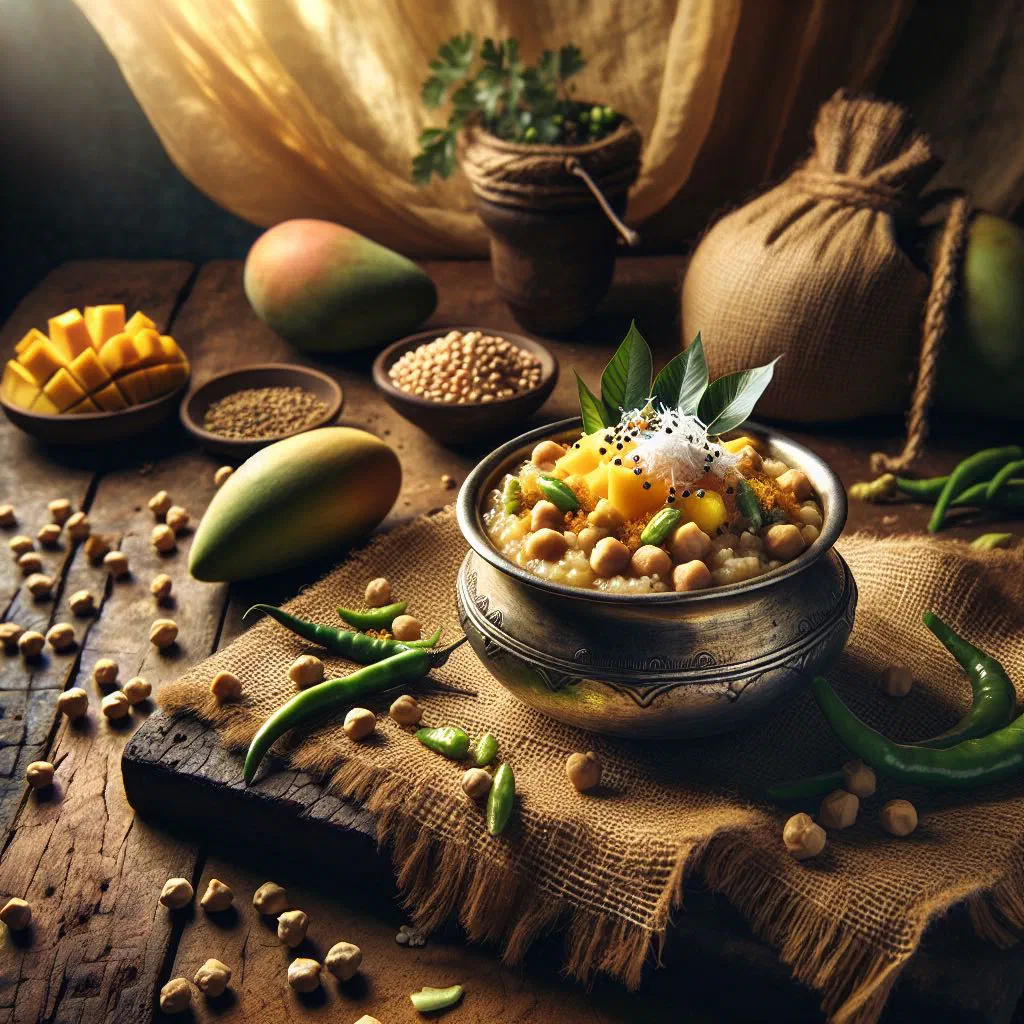
Discover Sundal, one of India’s best snacks. This wholesome dish brings together protein-rich legumes, warming spices and fresh grated coconut for a light bite that never feels heavy. Quick to put together and full of flavour, it is just the thing to satisfy a small hunger or to share at a relaxed get-together. Let the flavours of South India inspire your kitchen.
About Sundal
Sundal, one of India’s best-loved dishes, is as delicious as it is easy to make. At its heart are cooked legumes, prepared in countless different ways across the regions of India. Using chickpeas or mung beans gives the dish its characteristic texture and a generous dose of nutrients, much like the comforting Masoor Dal enjoyed across the country. Sundal is the perfect snack or a light meal, equally well suited to a quick bite as to convivial gatherings with friends.
Ingredients (serves 1–2)
- 1 cup cooked chickpeas or mung beans
- 2 tablespoons fresh coconut, grated
- 1–2 green chillies, finely chopped
- 1/2 teaspoon mustard seeds
- 1/2 teaspoon cumin
- A handful of fresh curry leaves
- Salt to taste
- 1 teaspoon oil (such as groundnut or coconut oil)
Shopping for the ingredients
The ingredients for sundal are easy to find in most supermarkets or in Asian grocery shops. Pay particular attention to the fresh coconut and the spices, as these have a decisive effect on the flavours of the dish. If you like to eat healthily, organic-certified ingredients are a sensible choice. When buying legumes, you can also look out for loose, unpackaged produce to cut down on packaging waste.
Preparing the dish
Before you start cooking sundal, it is important to prepare the ingredients. This means washing the legumes thoroughly and, if necessary, soaking them overnight. Soaking shortens the cooking time and makes the legumes easier to digest. The fresh aromatics, such as green chillies and curry leaves, should also be ready to hand to guarantee plenty of flavour in the finished dish.
Step-by-step instructions
- Heat the oil in a pan over medium heat.
- Add the mustard seeds and let them pop.
- Add the cumin seeds and the chopped green chillies and fry briefly.
- Add the curry leaves and let them sizzle for a few seconds.
- Now add the cooked chickpeas or mung beans and stir well.
- Add the grated coconut and salt to taste, then let everything simmer for a further 2–3 minutes.
- Take off the heat and serve warm.
Gluten-free / lactose-free version
Sundal is naturally gluten-free and lactose-free, which makes it an excellent choice for anyone with particular dietary needs. Thanks to its fresh vegetables and spices, it also fits neatly into a healthy diet. Keep an eye on any added ingredients, such as the oil, and choose gluten-free versions to make sure the dish remains suitable for every dietary requirement. This makes sundal an ideal dish that can cover a wide range of needs.
Tips for vegans and vegetarians
For vegans and vegetarians, sundal is a superb choice, as it calls for no animal products at all. When adding spices, take care that they come from trustworthy sources. Using fresh, seasonal ingredients boosts the flavour and the environmental credentials of the dish. You can also fold in extra pulses or other plant-based ingredients to increase its nutritional value.
More tips and tricks
A few tips and tricks can make sundal even tastier. Experiment with different legumes to discover new textures and flavours. If you like a little more heat, add extra chillies or use a spicier spice blend. Infusing the oil with garlic or ginger can also intensify the aromas and lend the dish an added depth.
Adapting the recipe to your taste
The recipe for sundal is wonderfully adaptable and easy to tailor to your own preferences. If you prefer a nutty note, for instance, you can add roasted cashews or almonds, echoing the comforting South Indian Ven Pongal. Alternatively, you might fold in other vegetables such as grated carrots or peas. Experimenting with different spices will widen the range of flavours and make the dish all the more interesting.
Ingredient substitutions
There are plenty of alternatives you can use in the sundal recipe. Dried legumes, for example, can be swapped for their tinned equivalents to shorten the preparation time. In place of fresh coconut, you can also use desiccated coconut, which is widely available in shops. Creativity is key when cooking any dish, so don’t be afraid to discover new flavours and leave old habits behind.
Drink pairing ideas
A range of drinks pairs well with sundal and can round off the eating experience beautifully. A refreshing glass of mango lassi makes a sweet, creamy counterpoint to the savoury flavours of the dish. For a lighter option, a glass of refreshing coconut water or a cool mint-and-lime water works nicely, lifting the flavours of the sundal and balancing the meal. Pairings like these take the whole experience to a new level.
Serving and presentation ideas
For an appealing presentation of sundal, serving it on fresh banana leaves or in decorative bowls can create striking visual effects. A small pinch of fresh coriander scattered on top adds colour and enhances the aroma. Use colourful crockery to brighten up the dish. The art of presentation goes beyond mere looks and adds to the overall enjoyment of the meal.
A bit of history
Sundal has a history, rooted in Indian culture and often prepared during festivals and special occasions. It is thought to be inspired by the traditional dishes of South India, which make use of healthy and delicious ingredients. The method of preparation varies from region to region, reflecting the culinary diversity of India. Sundal is an important part of Indian cuisine and culture.
More recipe ideas
- Rajma: a spicy kidney-bean curry brimming with flavour.
- Rasam: a tangy South Indian soup tempered in spiced oil.
- Vegetable Biryani: a delicious rice dish with vegetables and spices.
- Paneer Butter Masala: Indian cottage cheese in a creamy, buttery sauce.
- Pav Bhaji: a beloved street-food medley of spiced vegetables with soft bread rolls.
Summary: Sundal
In short, sundal is a versatile, nourishing and tasty dish that offers a wonderful way to enjoy the flavours of India. It is simple to make, easy to adapt to different tastes, and works beautifully as a healthy snack or a light meal. The combination of legumes, coconut and spices makes it especially delicious and full of nutrients. Let Indian cuisine inspire you and give sundal a try for yourself.