National Dish India: Thalipeeth (Recipe)
In this article
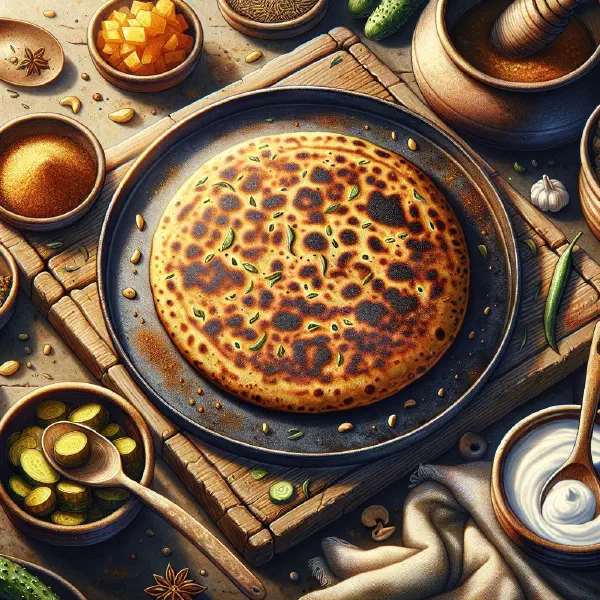
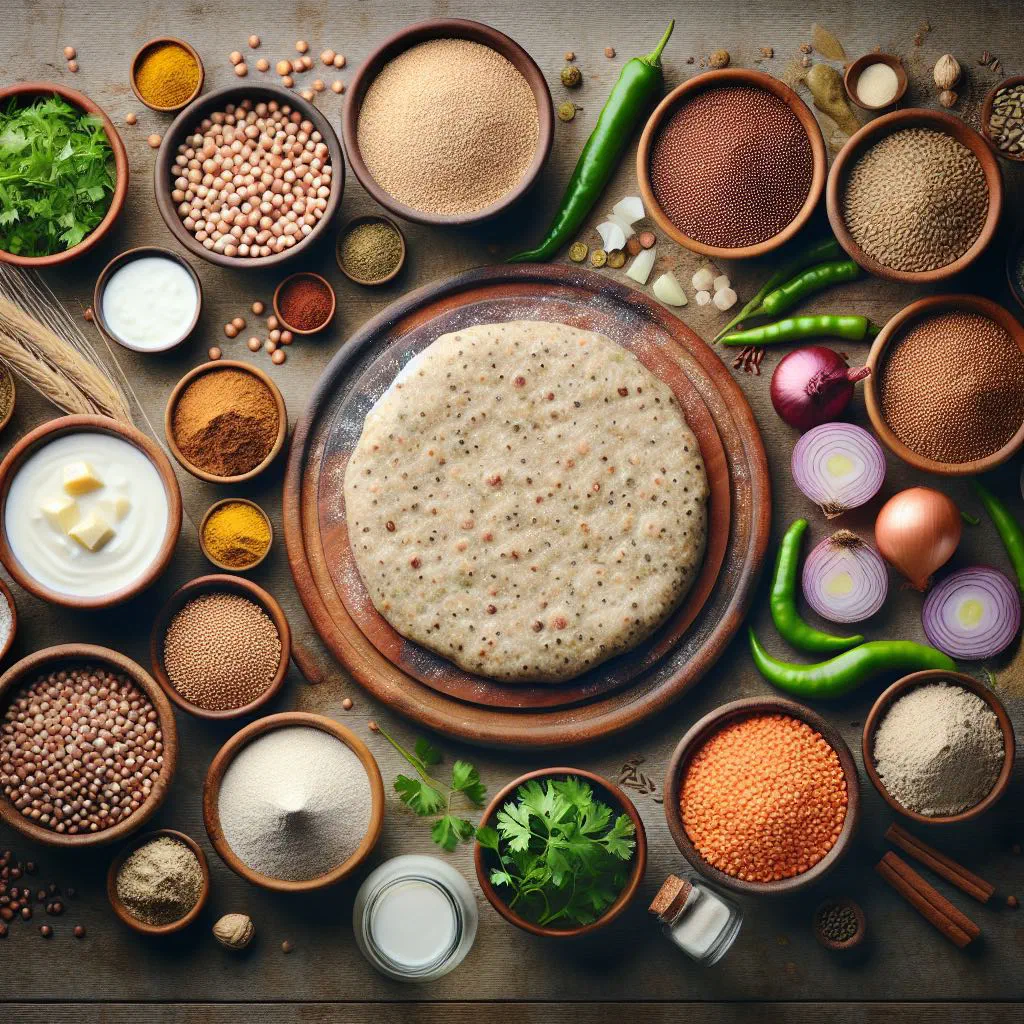
Discover Thalipeeth, a wonderfully wholesome flatbread from India. Made from a blend of different flours and brightened with fragrant spices, fresh coriander and a hint of green chilli, it is hearty, nourishing and full of flavour. Equally at home as a satisfying breakfast or a quick snack, this Maharashtrian favourite brings the warmth of an Indian home kitchen straight to your table.
About Thalipeeth
Thalipeeth is a much-loved Indian flatbread made from a variety of different flours. It hails above all from the state of Maharashtra and has grown into a treasured national dish. The combination of several flours with seasoned ingredients gives it a distinctive flavour and a rich nutritional profile. Ideal for a hearty breakfast or a snack to keep you going, Thalipeeth is a firm fixture in many family kitchens. If you enjoy hearty Maharashtrian fare, the popular street-food dish Misal Pav makes a great follow-up.
Ingredients (serves 1–2)
- 1 cup ragi flour (finger millet)
- 1 cup wheat flour
- 1/2 cup chickpea flour
- 1 small onion, finely chopped
- 1 green chilli, finely chopped
- 1/4 cup fresh coriander, chopped
- 1 tsp cumin
- Salt to taste
- Water
- Oil for frying
Shopping for the ingredients
To get the best results with thalipeeth, it is worth choosing good-quality ingredients. Visit a local Indian grocery or a health-food shop to find fresh spices and the various flours you need. Make sure the different flours are all fresh and of good quality, as this improves both the flavour and the texture of the flatbread. Local markets are also a great source of fresh vegetables and herbs that make the dish even more delicious.
Preparing the dish
Preparing thalipeeth is straightforward and takes very little time. Begin by setting out all your ingredients and chopping the vegetables as needed. The onion and green chilli give the bread a pleasant warmth, while the fresh coriander adds a bright, refreshing note. Combine the different flours and spices in a large bowl so the flavours are evenly distributed.
Step-by-step instructions
- In a bowl, mix together the flours, onion, green chilli, coriander, cumin and salt.
- Gradually add water until you have a soft, pliable dough.
- Divide the dough into small portions and shape them into round flatbreads.
- Heat a pan and add a little oil.
- Fry the flatbreads over medium heat on both sides until golden brown.
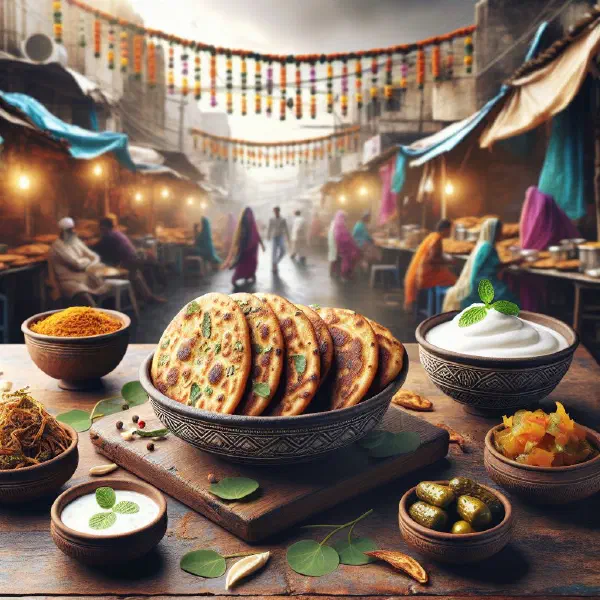
- Serve the warm thalipeeth with yoghurt or chutney.
Gluten-free / lactose-free version
For a gluten-free version of thalipeeth, you can use gluten-free flours such as buckwheat or rice flour. Make sure all the other ingredients are gluten-free too, and replace any lactose-containing products with plant-based alternatives such as soya or almond yoghurt. These adjustments keep the dish’s distinctive flavour and texture intact and make it suitable for everyone. Even those with particular dietary needs can enjoy this Indian flatbread.
Tips for vegans and vegetarians
Thalipeeth is naturally vegetarian and can easily be made vegan. Simply avoid serving it with yoghurt or other animal products, opt for plant-based chutneys or salsas instead. Whatever you serve alongside, the flatbread remains wholesome and nourishing. That makes it a great choice for a wide range of dietary preferences and lifestyles.
More tips and tricks
To vary the flavour of thalipeeth, feel free to add different spices or vegetables to taste. Try grated carrot, spinach or other vegetables to liven up your meal. Other flours, such as cornmeal, can also introduce interesting textures and flavour notes. Experiment a little to bring your own personal touch to the recipe.
Adapting the recipe to your taste
Everyone’s palate is different. When you make thalipeeth, it is worth tailoring the ingredients to your own preferences. Add more or fewer spices to reach your desired level of heat. Using unusual herbs or aromatic oils can also make the dish more interesting.
Ingredient substitutions
If you are missing some of the ingredients for thalipeeth, or they are simply not available, there are plenty of alternatives. Instead of cumin, for example, you could use coriander seeds. The vegetables can also be swapped according to the season or what you have to hand. For another flexible, flour-led recipe to experiment with, take a look at the Kothimbir Vadi. Be bold and experiment with different combinations, your taste buds will thank you for it.
Drink pairing ideas
A variety of drinks can accompany your thalipeeth. A traditional Indian lassi, whether sweet or salted, pairs beautifully with the savoury flatbreads. For a refreshing touch, mint water or a lightly sweetened iced tea also works well.
Serving and presentation ideas
The way you present thalipeeth can greatly enhance the meal. Serve the flatbreads on a colourful plate and garnish them with fresh herbs. Prepare a few different chutneys in small bowls to bring an attractive variety to the table. These simple touches give your dish an appealing look and turn the meal into something special.
A bit of history
Thalipeeth has a history that reaches back into rural India. Originally it was made by farmers using a variety of flours from the wholesome grains they grew themselves. This traditional method of preparation has evolved over the years and is now popular in many Indian households. It embodies the diverse, nourishing nature of Indian cuisine and also symbolises the use of local ingredients typical of the region.
More recipe ideas
- Pesarattu Dosa – savoury mung-bean pancakes
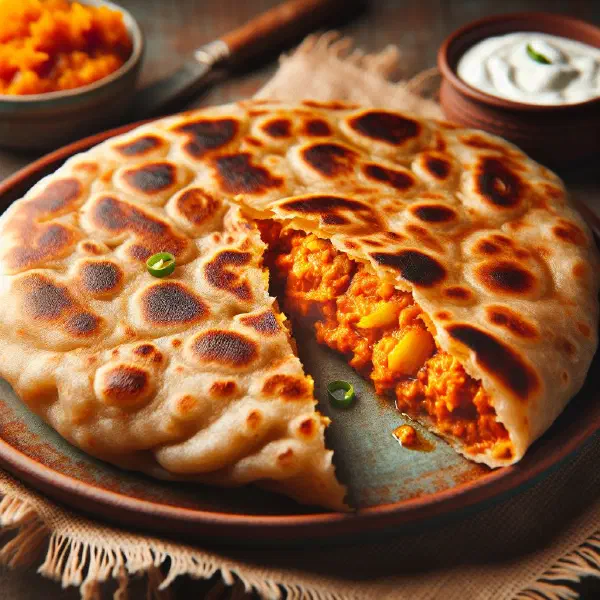
- Gobi Paratha – stuffed Indian flatbread with a spiced filling
- Pathiri – soft rice flatbread for a light snack
- Khandvi – delicate, rolled chickpea-flour bites
Summary: Thalipeeth
In summary, thalipeeth is a tasty and nourishing dish that is easy to adapt to different tastes and dietary needs. With its versatile preparation and the freedom to use all sorts of ingredients, it is a wonderful addition to any meal. Whether as a breakfast, a snack or a main course, thalipeeth charms with its delicious flavours and is a treasure of any Indian kitchen.