National Dish India: Thekua (Recipe)
In this article
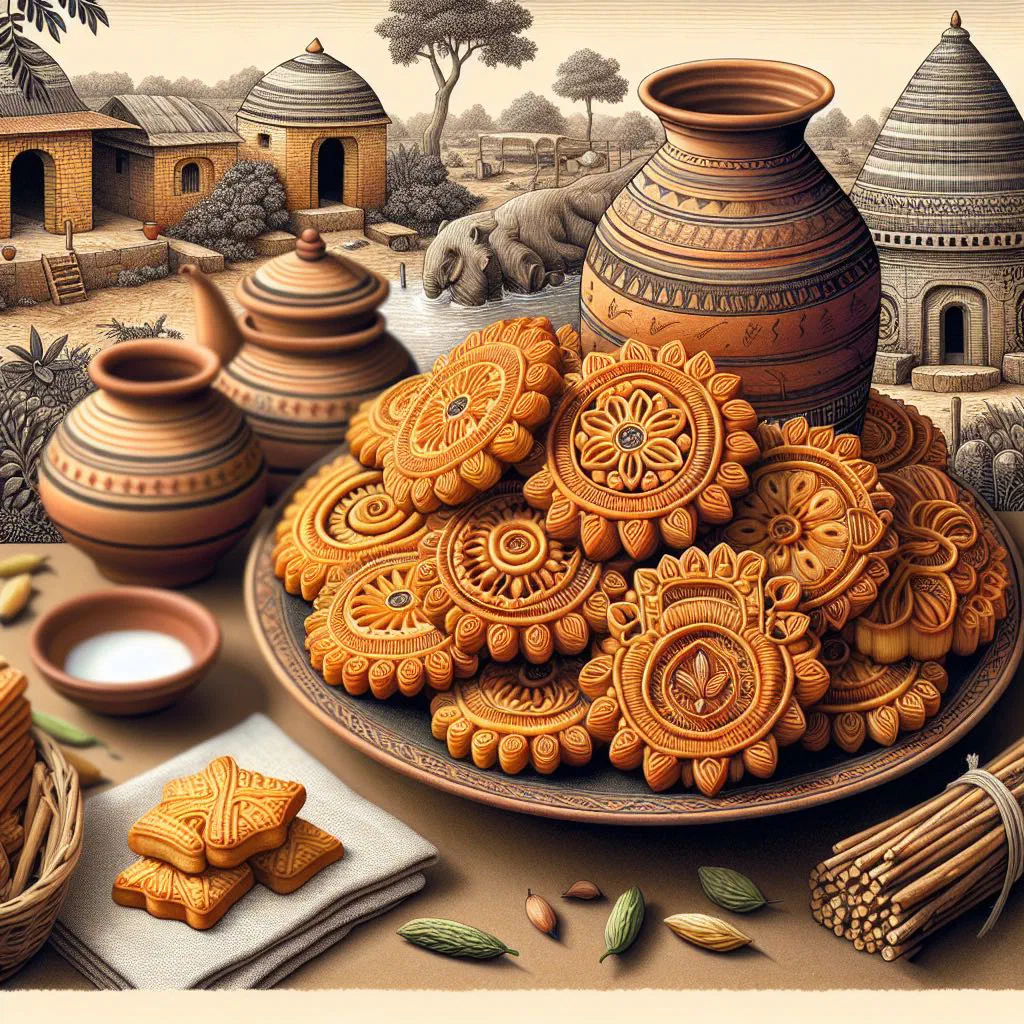
Meet Thekua, a traditional Indian sweet that turns up at festivals and special celebrations across the country. Made with wheat flour, grated coconut and rich palm sugar, it strikes a lovely balance between a crisp, crunchy bite and a deep, fragrant sweetness. Its inviting aroma and golden good looks make it hard to resist. Best of all, it is wonderfully simple to prepare, a perfect little snack or dessert for any occasion.
About Thekua
Thekua is a traditional Indian sweet pastry, often served at festivities and on special occasions. It is made with wheat flour, grated coconut and palm sugar (jaggery), which together give it a distinctive combination of crunchy texture and aromatic flavour. Thekua is not only a treat for the palate but a real feast for the senses, with an aroma and appearance that win everyone over. It is straightforward to make, which makes it the perfect snack or dessert for any occasion. If you enjoy Indian sweets, it sits comfortably alongside classics such as Kaju Katli and Rasgulla.
Ingredients (serves 1–2)
- 150 g wheat flour
- 50 g grated coconut
- 100 g palm sugar (jaggery)
- 1/4 teaspoon ground cardamom
- A pinch of salt
- Water as needed
- Oil for deep-frying
Shopping for the ingredients
When shopping for thekua, it is worth choosing good-quality ingredients. Palm sugar (jaggery) can be found in Asian or specialist delicatessens, and its naturally sweet note gives the pastry its characteristic flavour. The grated coconut should be fresh too, so the aroma comes through at its best. Wheat flour is available in every household size and works out far cheaper if you buy the larger packs.
Preparing the dish
Preparing thekua involves a few steps that are key to the flavour and texture of the pastry. Start by combining the wheat flour with the grated coconut in a large bowl. Make sure all the ingredients are well mixed so the dough comes to the right consistency. The final result depends very much on getting the mixture right and taking care over the preparation.
Step-by-step instructions
- Mix the wheat flour, grated coconut, palm sugar, ground cardamom and salt together in a bowl.
- Add water a little at a time until you have a smooth dough.
- Divide the dough into small portions and shape them into little flat discs.
- Heat the oil in a pan and deep-fry the discs until golden brown.
- Lift out the thekua and let them drain on kitchen paper.
Gluten-free / lactose-free version
It is perfectly possible to make thekua without gluten or lactose. Instead of wheat flour you can use rice flour or chickpea flour for a gluten-free version. These flours offer similar binding properties and keep the pastry’s characteristic flavour. The recipe is lactose-free in any case, as it uses no dairy products at all.
Tips for vegans and vegetarians
Thekua is naturally vegan, since it contains no animal products. Even so, there are a few tips for vegans that can refine the recipe. You might use maple syrup or agave syrup in place of palm sugar if you fancy a different kind of sweetness. This lends the pastry an interesting flavour note while also making it a little healthier.
More tips and tricks
A few further tips for making thekua can help you get the perfect result. After kneading, let the dough rest for a few minutes so it can settle. Make sure, too, that the oil is hot enough before you add the pastry, to ensure even frying and a crisp texture. Feel free to experiment with nuts and spices to vary the flavour to your own taste.
Adapting the recipe to your taste
Adapting the recipe to suit your own preferences makes the cooking even more enjoyable. If you like things a little more chocolatey, you can add cocoa powder to create a chocolate version of thekua. For a fruity note, dried fruit or nuts work well.
Ingredient substitutions
Certain ingredients in thekua can easily be swapped out. If you cannot find palm sugar, brown sugar makes a suitable substitute. The grated coconut can be replaced with coconut flour or even nuts if you fancy a different flavour. Bear in mind that you may need to adjust the amount of liquid to achieve the right consistency.
Drink pairing ideas
There are several drinks that go nicely with thekua. A robust chai tea complements the pastry’s sweetness beautifully and makes for an authentically Indian experience. A fresh coconut juice or a turmeric latte would also bring out the flavours of the thekua. If you prefer something alcoholic, a light Indian beer fits the bill.
Serving and presentation ideas
The presentation of thekua can be lifted with very little effort to impress your guests. Arrange the finished pieces on a decorative plate and garnish them with a scattering of chopped pistachios or almonds. A small bowl of honey or a homemade fruit sauce for dipping makes the dessert even more appealing. Think also about matching napkins or a pleasant setting to round off the experience.
A bit of history
Thekua has a history and is deeply rooted in the culture of India. It originally comes from the state of Bihar, where it was traditionally prepared during the Chhath festival. Thekua is far more than a simple pastry; it reflects the culinary traditions and the diversity of India. Over the years it has evolved across different regions of the country, giving rise to many variations, much like other regional treats such as Chanar Payesh from Bengal.
More recipe ideas
- Semiya Payasam – Indian vermicelli pudding with nuts
- Rava Kesari – fragrant semolina sweet
- Sundal – a festive coconut-laced snack
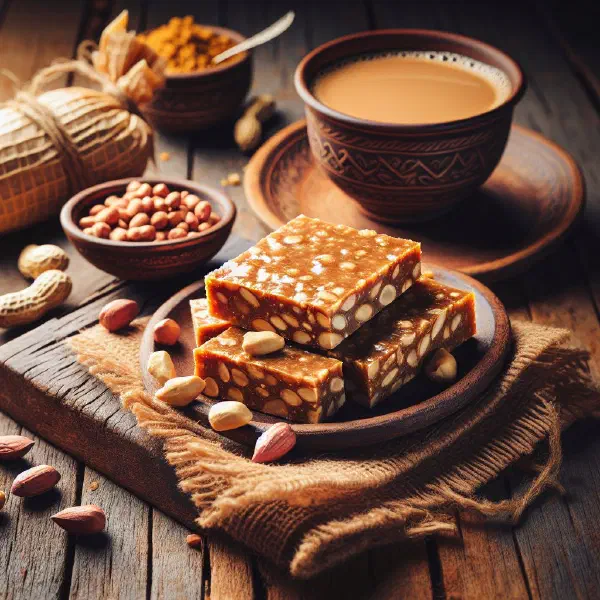
- Chikki – crunchy jaggery and nut brittle
Summary: Thekua
In summary, thekua is a delicious Indian dessert that owes its special appeal to its unique mix of ingredients and flavours. Whether as a snack or a festive dessert, it is widely loved and relatively simple to make. The versatility of the recipe and the scope to adapt it to personal taste make it a firm favourite for many. Anyone keen to explore Indian cuisine should be sure to add thekua to their recipe collection.