National Dish India: Unniyappam (Recipe)
In this article
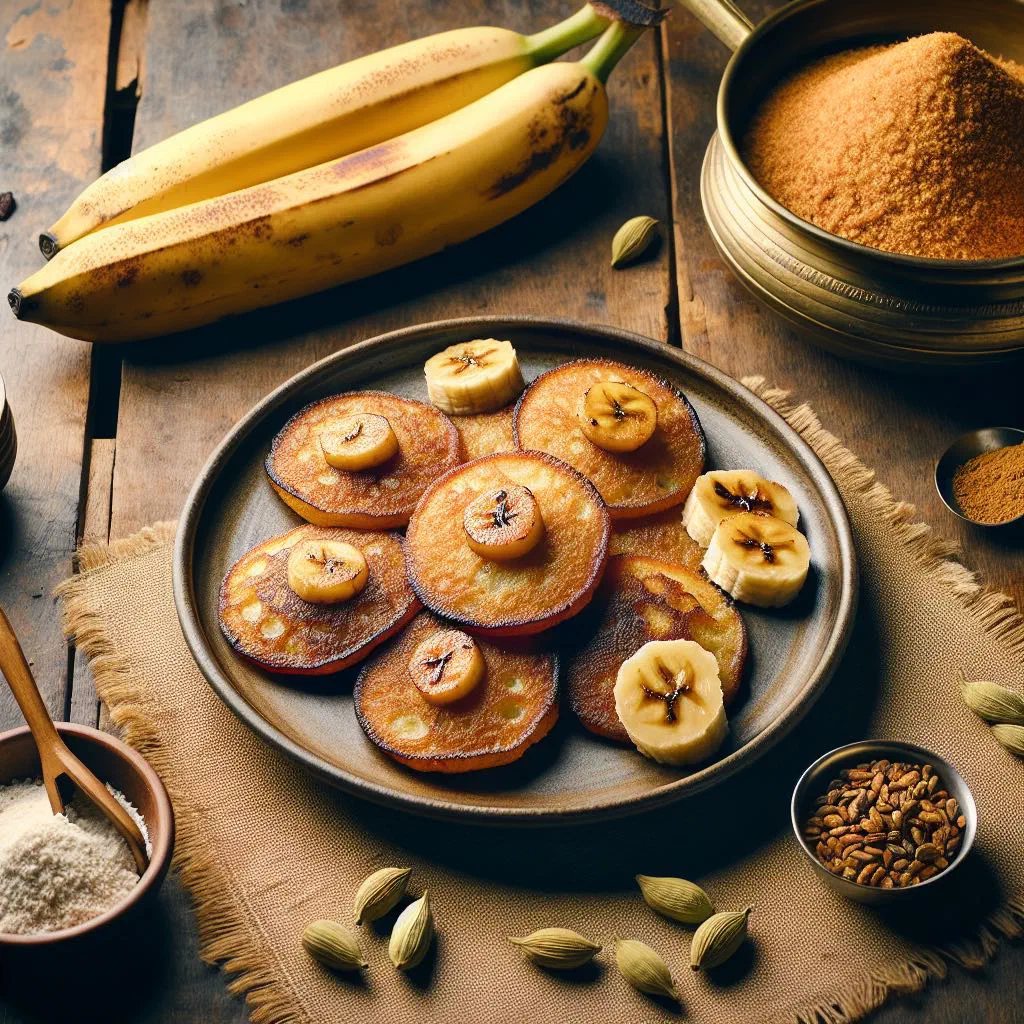
Meet Unniyappam, a beloved little sweet from the south of India that turns the humblest pantry staples into pure joy. These bite-sized fritters are crisp on the outside, tender within, and gently sweetened with ripe banana and coconut. Traditionally fried in a special pan and served at festivals and temple offerings, they make the perfect companion to a cup of tea or coffee. Bring a taste of Kerala’s celebrations into your own kitchen.
About Unniyappam
Making Unniyappam is a labour of love that rewards a little patience and care. Traditionally, these small sweet balls are fried in a special dimpled pan known as the Unniyappa Kallu, which gives them their signature shape. Crisp on the outside and soft in the middle, they are a wonderful accompaniment to tea or coffee. Often served at religious ceremonies and festivals, Unniyappam are regarded as a symbol of happiness and good fortune, and they hold a cherished place in South Indian homes.
Ingredients (serves 1–2)
- 1 cup rice flour
- 1–2 ripe bananas
- ½ cup grated coconut
- ¾ cup water or coconut milk
- ¼ cup sugar
- 1 teaspoon baking powder
- Oil, for frying
Shopping for the ingredients
Unniyappam calls for just a handful of easy-to-find ingredients, most of which are available in larger supermarkets or Indian grocery shops. Rice flour is the main component and can usually be found in the international aisle or at an Asian grocer. The bananas should be well ripened, as they provide much of the sweetness and flavour of the batter. Grated coconut is another key ingredient and comes in several forms, both fresh and dried, so choose whichever suits you best.
Preparing the dish
Before you start making Unniyappam, gather and measure out all your ingredients. A little careful preparation goes a long way and makes the cooking far smoother. Weigh out the quantities and make sure everything is within easy reach before you begin mixing. This creates a relaxed cooking environment and ensures you won’t overlook any important step along the way.
Step-by-step instructions
- Mash the ripe bananas in a bowl until smooth.
- Add the rice flour, sugar, grated coconut, baking powder and the water or coconut milk, then mix well to form a batter.
- Leave the batter to rest for about 30 minutes so it can absorb the flavours.
- Heat the Unniyappa pan over medium heat and fill the moulds with oil.
- Spoon the batter into the pan with a tablespoon and fry the balls until golden brown on both sides.
- Drain the finished Unniyappam on kitchen paper and serve them warm.
Gluten-free / lactose-free version
Unniyappam is easily made gluten-free, since rice flour is naturally free from gluten. That makes them a perfect choice for anyone with a gluten intolerance or coeliac disease. For a lactose-free version, simply use coconut milk as a plant-based alternative, which lends the batter the same lovely flavour and richness. This way everyone can enjoy this delicious treat, whatever their dietary needs. The same naturally gluten-free approach makes Pathiri just as easy to adapt.
Tips for vegans and vegetarians
For a vegan version, swap the sugar for agave syrup or coconut palm syrup, which also makes the Unniyappam a touch more wholesome. Just as with the lactose-free option, coconut milk is ideal for vegans as it contains no animal products. You can also vary the recipe by folding in nuts or dried fruit for extra crunch and flavour. These small adjustments make Unniyappam appealing to an even wider circle of friends and family.
More tips and tricks
To get your Unniyappam just right, it is important to choose the correct frying temperature. If the oil is not hot enough, the balls turn out greasy and stodgy. Take care, too, that the batter is not too thick, so the fritters cook through evenly. Another good tip is to stir a little cardamom powder into the batter. This gives the Unniyappam a beautifully fragrant lift that makes them all the more delicious.
Adapting the recipe to your taste
Unniyappam are wonderfully versatile and easy to tailor to personal preference. If you fancy a fruity note, try folding in chopped mango or dried figs. Adding nuts such as cashews or almonds brings textural variety and an extra layer of flavour. Experiment with different ingredients to create your own favourite version, much as you might with a comforting bowl of Semiya Payasam.
Ingredient substitutions
Several ingredients in Unniyappam can be swapped out with ease. If you cannot find coconut flour, oat flour makes a fine stand-in, offering a similar texture and a pleasant flavour of its own. For the sweetness, you can also use stevia or honey, depending on your taste and dietary needs.
Drink pairing ideas
A variety of drinks pairs beautifully with Unniyappam. Traditionally, they are served with tea or coffee, which makes for an excellent combination. For a more refreshing change, try a mango lassi or a glass of chilled coconut water. These drinks complement the aroma and flavour of the Unniyappam and make the whole experience all the more enjoyable.
Serving and presentation ideas
A thoughtful presentation can give your Unniyappam a special touch. Serve them on a white plate with a light dusting of icing sugar for an elegant look. A scattering of fresh mint leaves or edible flowers heightens the visual appeal and suits a festive occasion. Be sure to serve the Unniyappam warm to preserve their flavour and texture, and enjoy them in a welcoming setting.
A bit of history
The roots of Unniyappam reach deep into the traditions of South Indian cuisine. Originally prepared by the community of Kerala, it found its way over the years into the kitchens of many Indian families. Often associated with spirituality and celebration, it carries a special significance. Unniyappam reflects the remarkable diversity of Indian cuisine and illustrates the cultural traditions passed down through the generations.
More recipe ideas
Summary: Unniyappam
Unniyappam is far more than just a dessert; it is a symbol of India’s tradition and culture. With a few simple ingredients and the right recipe, you can whip up this delicious sweet snack in no time. It offers a unique flavour and the chance to be creative and shape the recipe to your own wishes.