National Dish India: Upma (Recipe)
In this article
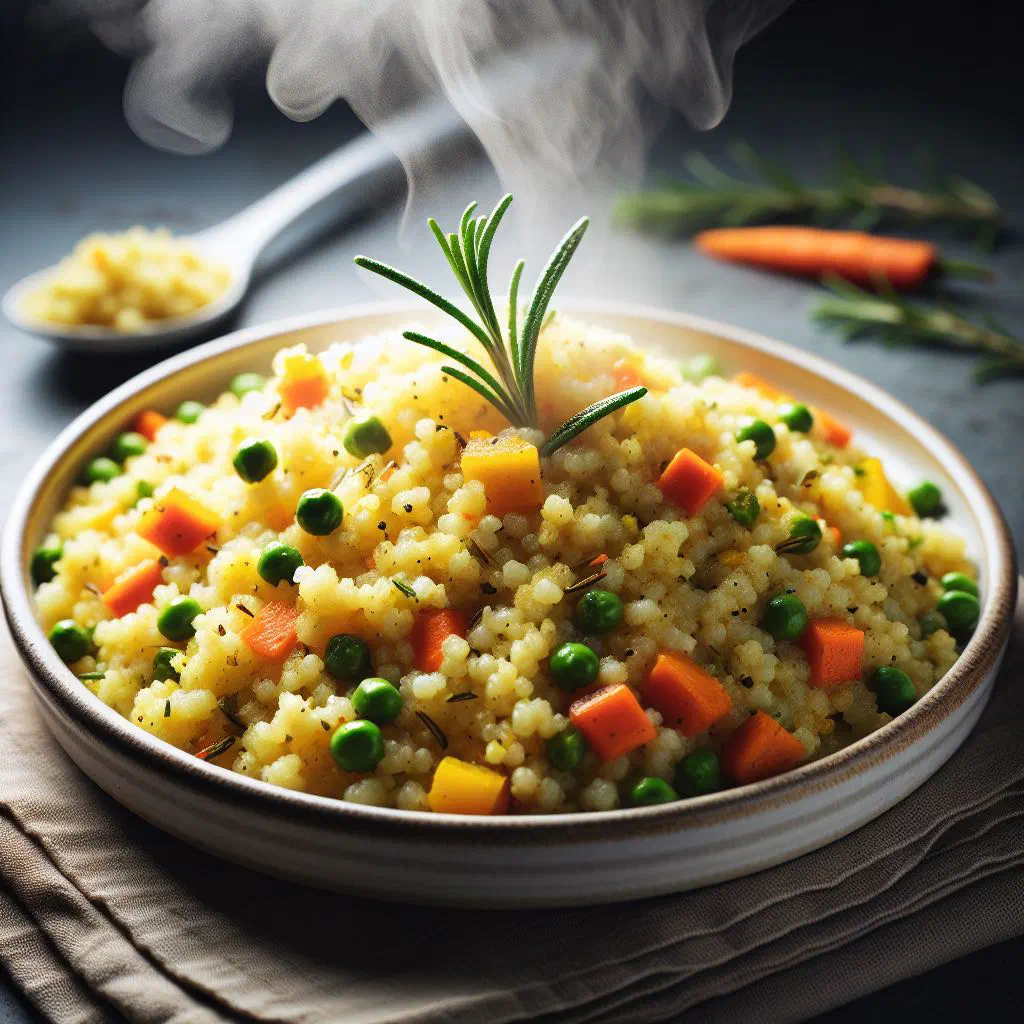
Start the day the South Indian way with Upma, a comforting savoury breakfast built around toasted semolina, crisp vegetables and a warming blend of spices. Quick to put together yet wonderfully filling, it delivers a steady burst of energy and a nutty depth of flavour from the very first spoonful. Endlessly adaptable, this homely classic welcomes whatever vegetables and aromatics you have to hand.
About Upma
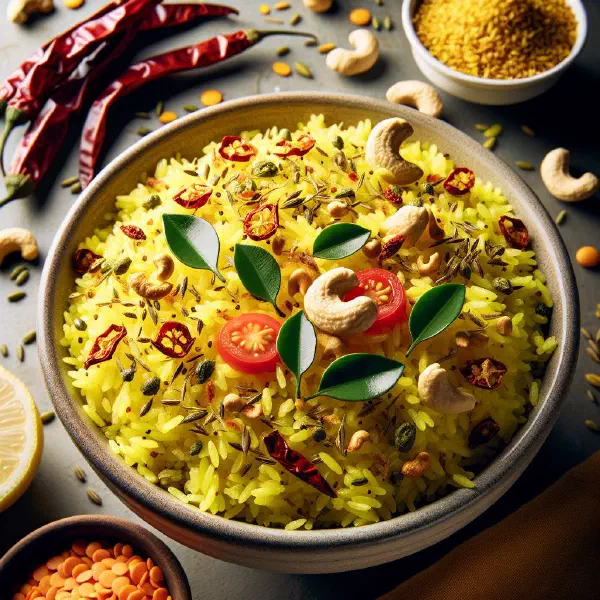
Upma is a traditional Indian dish enjoyed above all as a breakfast. It brings together toasted semolina, fresh vegetables and a generous mix of fragrant spices that come together in a genuine explosion of flavour. The dish is easy to prepare and deeply nutritious, which makes it an ideal way to fuel an energetic start to the day. Its great versatility means you can use all sorts of ingredients, turning it into a flexible dish to suit every taste.
Ingredients (serves 1–2)
- 1 cup semolina
- 2 cups water
- 1/2 cup mixed vegetables (carrots, peas, peppers)
- 1 onion, finely chopped
- 2 green chillies, finely chopped
- 1 teaspoon mustard seeds
- 1 teaspoon grated ginger
- 2 tablespoons oil or ghee
- Salt to taste
- Fresh coriander, to garnish
Shopping for the ingredients
The ingredients for upma are easy to find in most Asian or Indian grocery shops. Even in a regular supermarket you will usually spot semolina and the most common spices in the world-foods aisle. Choose fresh vegetables to guarantee the best flavour. A few items, such as mustard seeds or green chillies, can be specific to Indian cooking, so plan your shopping accordingly.
Preparing the dish
Before you start cooking upma, it is worth preparing all your ingredients thoroughly. Chop the vegetables and the onion, and measure out the right amount of semolina. It also helps to have the mustard seeds and spices ready so you can reach for them quickly while you cook. Careful preparation saves time and keeps the whole process running smoothly.
Step-by-step instructions
- Heat the oil or ghee in a pan over medium heat.
- Add the mustard seeds and let them splutter.
- Add the chopped onion and ginger and fry until golden brown.
- Add the vegetables and green chillies and sauté briefly.
- Tip in the semolina and toast it for about 2–3 minutes, until lightly golden.
- Pour in the water and bring to the boil.
- Reduce the heat, cover the pan and let the upma cook for around 5 minutes, until the water has been absorbed.
- Stir the dish well and garnish with fresh coriander.
Gluten-free / lactose-free version
Upma is easy to adapt to gluten-free needs by using gluten-free semolina, or by swapping in quinoa or rice flakes instead. Ghee is the usual choice, but it can just as easily be replaced with a plant-based oil to keep the dish lactose-free. That way upma becomes a delicious, healthy option for anyone with special dietary requirements. Just be sure to choose any other ingredients that might contain gluten or lactose with the same care.
Tips for vegans and vegetarians
This dish is naturally vegetarian, and vegans can simply swap the ghee for a plant-based oil. To make upma even more nourishing, stir in extra vegetables such as courgette or spinach. The spices can be varied too, so you can tailor the seasoning to your own taste. Tasty and wholesome, upma remains a reliable fixture in any vegan or vegetarian breakfast repertoire.
More tips and tricks
For the best flavour, it is important to toast the semolina well before cooking. This brings out the nutty taste and improves the texture of the dish. Adjust the amount of water depending on whether you prefer your upma creamy or on the drier side. A squeeze of lemon juice at the end of cooking can lift the aromas and add a fresh note.
Adapting the recipe to your taste
Upma is an extremely flexible dish and easy to tailor to personal preference. Try different vegetables or seasonal produce to keep things interesting. You can also add nuts or seeds such as cashews or peanuts for a satisfying crunch, much like the toasted edge you find in a Sundal. Every time you make upma, you can create a slightly different flavour experience.
Ingredient substitutions
If semolina is not available, you can use rice flakes or even polenta to achieve a different texture and taste. For those who are not keen on heat, the green chillies can be left out altogether or swapped for mild peppers. The type of oil can be varied too, rapeseed or coconut oil work well in place of ghee for different flavour notes. The same spirit of easy swaps carries over into other wholesome breakfast dishes such as Thalipeeth. It is always exciting to experiment with so many possibilities.
Drink pairing ideas
The flavours of upma sit beautifully alongside a range of drinks. A classic Indian chai or a glass of fresh mint tea carries the dish’s exotic note further. For a refreshing change you might serve a mango lassi or simple coconut water on the side.
Serving and presentation ideas
To serve upma attractively, arrange the dish in a pretty bowl and garnish with fresh coriander. Adding toasted nuts or a squeeze of lemon brings a colourful touch as well. Serve it with small bowls of chutney or yoghurt to combine different flavours, much as you might pair a Tamatar Chutney with a hearty breakfast. This looks inviting and encourages everyone to dig in.
A bit of history
The origins of upma reach back to southern India, where it is closely tied to the region’s breakfast culture. Originally conceived as a nourishing meal for busy mornings, upma grew into a classic dish prepared in homes across the country. Thanks to its simplicity and versatility, it has spread well beyond India’s borders and now enjoys international popularity. It is a lovely example of the variety and richness of Indian cuisine.
More recipe ideas
Summary: Upma
In short, Upma is a tasty and nutritious Indian dish that makes for an ideal breakfast. Its simple preparation and the freedom to fold in all sorts of ingredients make it a fantastic choice for any day of the week. Enjoy upma at its very best and let the variety of Indian cuisine inspire you.