National Dish India: Veg Manchurian (Recipe)
In this article
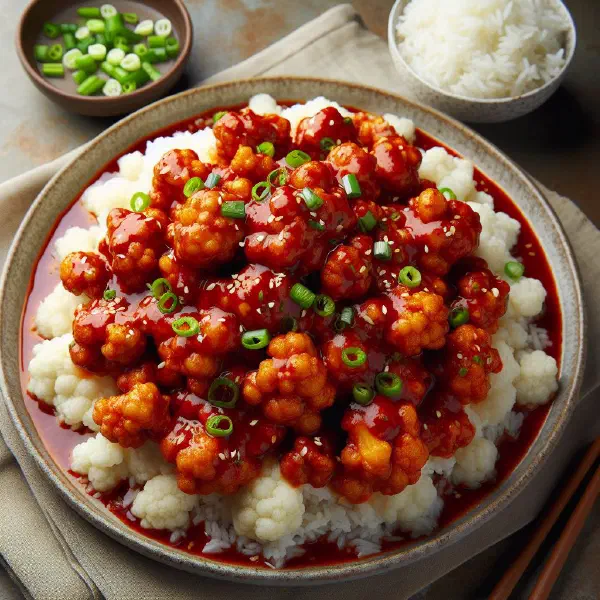
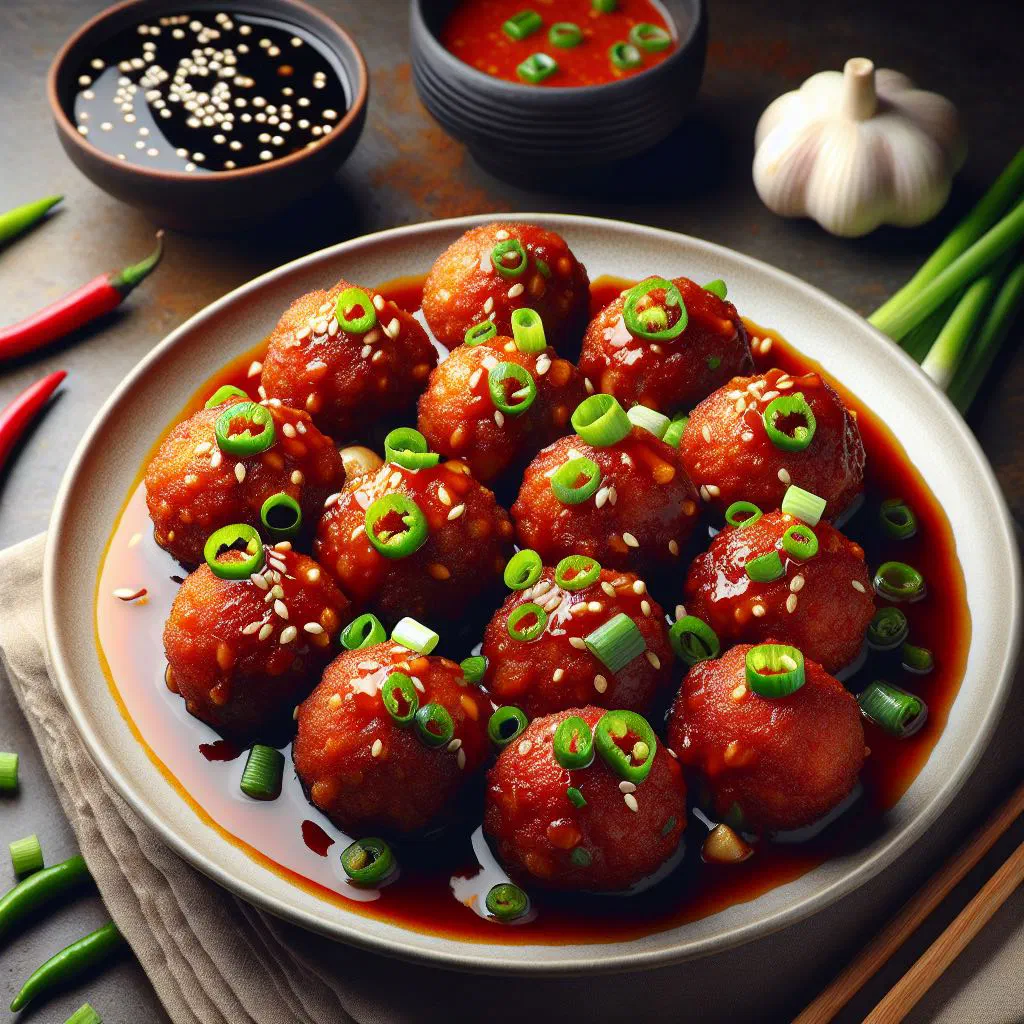
Discover Veg Manchurian, one of India’s best-loved Indo-Chinese fusion dishes. Crisp vegetable balls are tossed in a glossy, boldly spiced sauce that strikes the perfect balance between sweet and fiery. Born on India’s busy streets, it now enjoys a following well beyond its homeland. It is a true feast for the senses, and surprisingly simple to make at home.
About Veg Manchurian
Veg Manchurian has established itself as one of the most popular fusion dishes around, bringing together the flavours of Indian and Chinese cooking in perfect harmony. These deliciously crisp vegetable balls are served in a spiced, aromatic sauce that is at once sweet and hot. First made popular on the streets of India, it now enjoys a worldwide following. If you are after a dish that works equally well as a starter or a main course, Veg Manchurian is just the thing for you.
Ingredients (serves 1–2)
- 1 cup mixed vegetables (carrots, beans, cauliflower)
- 2–3 tablespoons cornflour
- 1–2 tablespoons reduced soy sauce
- 2 tablespoons chopped onion
- 1 teaspoon ginger-garlic paste
- Chilli powder, salt and pepper to taste
- Oil for frying
Shopping for the ingredients
If you fancy making Veg Manchurian, you will find most of the ingredients in a well-stocked supermarket or an Indian grocery. Be sure to choose fresh vegetables, as the quality of the ingredients has a direct bearing on how the dish tastes. Special items such as cornflour and soy sauce are often easy to find in Asian food shops. If you follow a vegan or vegetarian diet, check the labels to make sure every ingredient suits the way you eat.
Preparing the dish
Begin by getting the ingredients ready, finely chopping the vegetables as you go. The finer the vegetables, the better the flavours can develop in the finished dish. Mix the chopped vegetables with the cornflour to bind the balls together. Take care to combine the mixture thoroughly so the texture is even and the balls hold their shape during frying.
Step-by-step instructions
- Heat the oil in a deep pan or fryer.
- Shape the vegetable mixture into small balls.
- Fry the balls until golden brown and crisp.
- In a separate pan, sauté the onions and the ginger-garlic paste.
- Add the soy sauce and the other seasonings to make the sauce.
- Add the fried balls to the sauce and toss well to combine.
Gluten-free / lactose-free version
To make Veg Manchurian gluten-free, you can use a gluten-free soy sauce. Just make sure all the ingredients you use are gluten-free, particularly the cornflour and the spices. Going lactose-free is no trouble either, as most of the ingredients are lactose-free in any case. With this adjustment, even those with food intolerances can enjoy Veg Manchurian.
Tips for vegans and vegetarians
Veg Manchurian is naturally vegan in most cases, as long as you make sure the soy sauce and spices you use contain no animal products. To add extra plant-based protein, you could also work some quinoa or chickpeas into the mixture. Avoid using eggs in the preparation, too, since the cornflour already provides plenty of binding. That way you end up with a delicious dish that suits every plant-based diet.
More tips and tricks
If you want to get Veg Manchurian just right, deep-frying is the key technique. Make sure the oil is hot enough so the balls turn evenly golden brown and crisp. A small piece of the mixture can help you test the oil temperature, if it shoots straight to the surface, the oil is ready. For extra flavour, you can work spices such as cumin or coriander into the mixture to lift the aroma.
Adapting the recipe to your taste
Veg Manchurian is easy to tailor to your own preferences. Add extra spices to make it hotter, or use less soy sauce if you would like a milder version. You can also use different vegetables depending on what is in season or what you particularly enjoy, much as you would when cooking a Vegetable Biryani. Experiment with the consistency of the balls by using more or less cornflour to find the ideal texture.
Ingredient substitutions
If you do not have cornflour to hand, you can also use potato starch or rice flour to bind the vegetable balls. As an alternative to soy sauce, you can use tamari or a gluten-free soy sauce if needed. When it comes to the vegetables, courgette, peppers or spinach are excellent options too and can bring a new layer of flavour to the dish.
Drink pairing ideas
Veg Manchurian goes wonderfully with lightly sparkling drinks or a refreshing cocktail. A classic sweet-and-sour drink or a fruity mocktail can complement the flavours of the dish beautifully. A herbal tea or a light white wine also makes for a refreshing combination. Avoid heavy, creamy cocktails, as these can overpower the flavours of the dish.
Serving and presentation ideas
The presentation of Veg Manchurian can lift the whole dining experience. Serve the balls in an attractive bowl and garnish them with fresh coriander leaves to create a vivid splash of colour. Small dishes of extra sauces or dips can be offered on the side to make the dish more interactive. Stylish snack skewers are another elegant way to arrange the balls.
A bit of history
Veg Manchurian has its roots in globalisation, when Indian and Chinese cooking traditions came together. The dish first appeared in India, where it became popular as a street snack. The creative combination of ingredients and spices has made Veg Manchurian a symbol of culinary innovation. Today it is a firm fixture on many Indian restaurant menus and enjoys great popularity around the world.
More recipe ideas
Summary: Veg Manchurian
In short, Veg Manchurian is an exquisite dish that unites the flavours of India and China and suits any occasion. Its simple ingredients and straightforward preparation make it a perfect choice for home cooks. With a few adjustments and creative ideas, you can tune this dish to your taste exactly. Let yourself be won over by its wealth of flavours and crisp texture, and enjoy this explosion of taste in your own kitchen.