National Dish Indonesia: Black Sticky Rice Pudding (Recipe)
In this article
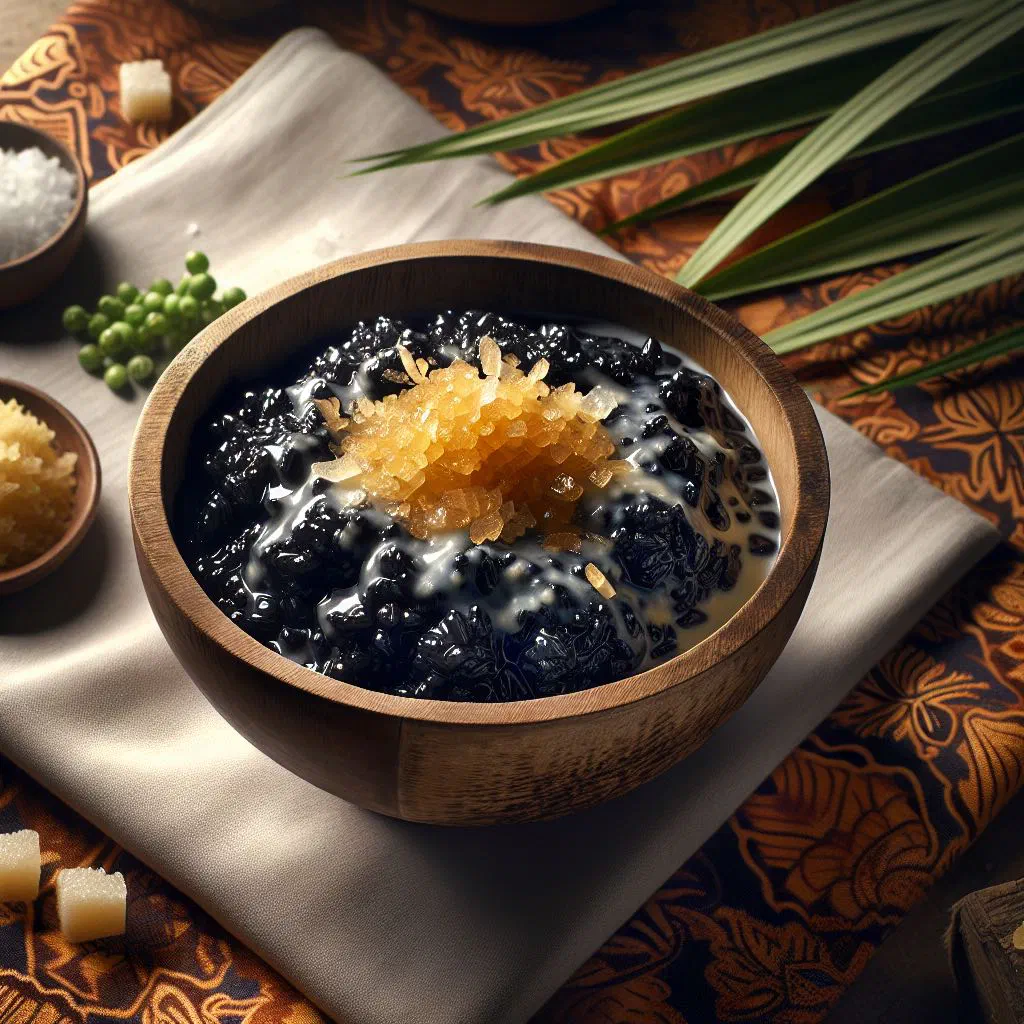
Meet Bubur Ketan Hitam, one of Indonesia’s most comforting sweets. This creamy pudding is made from black glutinous rice simmered until tender, then crowned with rich, salted coconut milk. With its striking deep-purple hue and its gentle sweetness, it works beautifully as both an everyday treat and a dessert for special occasions. Bring a taste of the Indonesian archipelago straight to your own kitchen.
About Bubur Ketan Hitam
Bubur Ketan Hitam is a traditional Indonesian dessert made from black glutinous rice. This delicious speciality is known for its distinctive dark-purple colour and for its creamy texture and the sweet flavour of coconut milk. In Indonesia it is often served at special occasions, yet it also holds pride of place as an everyday snack. Its simplicity and rich taste make it a highlight of any meal.
Ingredients (serves 1–2)
- 100 g black glutinous rice
- 400 ml coconut milk
- 50 g sugar (to taste)
- 1 pinch of salt
- 100 ml water
- Optional: sesame seeds or fruit, to garnish
Shopping for the ingredients
To prepare Bubur Ketan Hitam, all the ingredients should be as fresh as possible. Black glutinous rice is available in Asian grocery shops or certain supermarkets. Be sure to choose good-quality coconut milk, as it has a major influence on the flavour of the dessert. The sugar can be adjusted to taste too, from ordinary sugar to unrefined cane sugar, there are no limits.
Preparing the dish
Preparing Bubur Ketan Hitam is straightforward. Begin by soaking the black glutinous rice in water for at least 4–6 hours, ideally overnight. This helps the rice soften and absorb the flavours more readily. Make sure the rice is rinsed well before you carry on with the recipe. This removes excess starch and gives the pudding a better consistency.
Step-by-step instructions
- Drain the soaked glutinous rice and tip it into a pan.
- Add 100 ml of water and bring it to the boil.
- Reduce the heat and let the rice simmer for about 30 minutes, until soft.
- In a separate pan, warm the coconut milk and add the sugar along with the salt.
- Stir until the sugar has dissolved, then let the mixture simmer gently.
- Pour the coconut milk over the cooked rice and let everything simmer together for a few minutes.
- Serve the pudding warm or cold, garnished with sesame seeds or fresh fruit.
Gluten-free / lactose-free version
A great advantage of Bubur Ketan Hitam is that it is naturally gluten-free and lactose-free. The black glutinous rice and the coconut milk contain no gluten, which makes it a perfect option for anyone with intolerances. Just take care that the ingredients you use carry no hidden allergens. That way you can be confident of enjoying a delicious and safe dessert.
Tips for vegans and vegetarians
Bubur Ketan Hitam is naturally vegan and vegetarian, as long as you choose a good-quality coconut milk. Avoid products that contain added animal fats. It is worth selecting the right plant-based sweeteners during preparation to get the best flavour. Fresh fruit such as mango or jackfruit makes a lovely garnish that lifts the dessert even further, much like the tropical sweetness found in Es Pisang Ijo.
More tips and tricks
To get the best from Bubur Ketan Hitam, add the ingredients in the right order. Keep an eye on the coconut milk as it heats, holding it at a gentle simmer to stop it boiling over. You can also refine the dessert with a pinch of cinnamon or vanilla for an extra layer of flavour. Serve it in attractive bowls to make the most of the presentation.
Adapting the recipe to your taste
Bubur Ketan Hitam is wonderfully versatile and easy to tailor to different palates. You might reduce the amount of sugar if you prefer it less sweet, or swap in alternatives such as honey or agave syrup. If you love a nutty note, scatter chopped nuts or toasted coconut over the top. Experiment with different garnishes to create your own favourite version.
Ingredient substitutions
If you cannot find black glutinous rice, you can use ordinary glutinous rice instead, though the flavour and texture will differ slightly. In place of coconut milk you could use oat milk or almond milk, but you may need to adjust the consistency, as these plant-based alternatives are less creamy. For sweetness, natural options such as date syrup help make the dessert a little healthier. Swaps like these are common across many comforting Indonesian puddings, including Cendol.
Drink pairing ideas
Bubur Ketan Hitam pairs beautifully with a range of drinks. A fresh coconut smoothie or a cup of green tea is ideal for complementing the dessert’s sweet notes. An aromatic mango lassi could make a delicious combination too.
Serving and presentation ideas
The presentation of Bubur Ketan Hitam can lift the whole experience. Serve the dessert in attractive bowls or glasses so it looks as appetising as possible. Decorate with fresh fruit, such as strawberries or banana slices, and scatter toasted coconut or sesame seeds over the top. These small details make the dish more inviting while adding extra nuances of flavour and texture.
A bit of history
Bubur Ketan Hitam has a long tradition in Indonesian culture. It is often associated with festivals, celebrations and family gatherings, which makes it a symbol of togetherness and joy. Black glutinous rice is widely used across many Asian countries, valued for its culinary qualities and for its reputed health benefits. Paired with coconut milk, it has proved enormously popular, appealing to locals and visitors alike.
More recipe ideas
Summary: Bubur Ketan Hitam
Bubur Ketan Hitam is a unique Indonesian dessert that appeals to with its delicious taste and creamy texture. Its simple ingredients and fuss-free preparation make it a perfect recipe for anyone keen to explore Indonesian cuisine. This speciality brings a little piece of Indonesia straight to your table. Give it a try and discover the flavours of this fascinating cuisine.