National Dish Indonesia: Coto Makassar (Recipe)
In this article
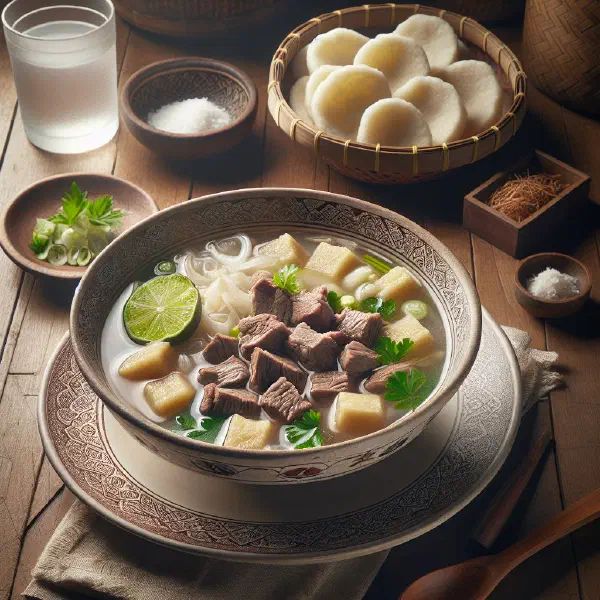
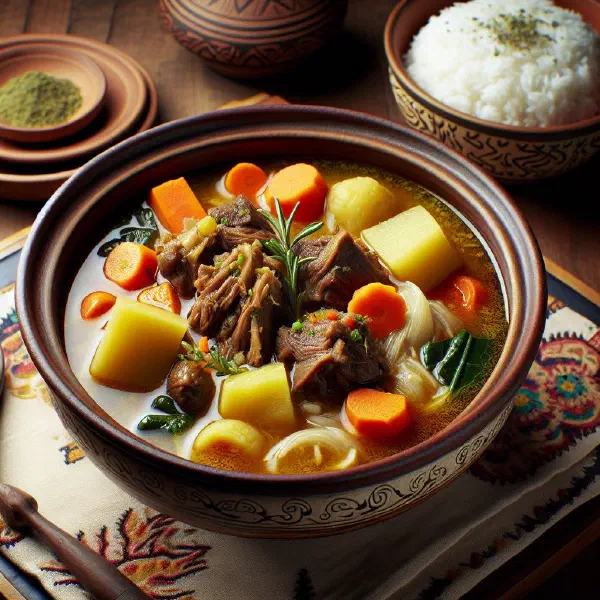
Say hello to Coto Makassar, a deeply aromatic beef soup from the island of Sulawesi that has long been a point of pride across Indonesia. Tender chunks of beef simmer for hours in a fragrant broth scented with lemongrass, kaffir lime and toasted spices, building layer upon layer of flavour. Traditionally ladled over rice or lontong, it is the kind of warming, soul-soothing bowl that brings the bustle of a Makassar street kitchen straight to your own table.
About Coto Makassar
Coto Makassar is a traditional Indonesian dish that hails from the South Sulawesi region. This hearty soup is celebrated for the way its many flavours and spices come together in perfect balance. At its heart is tender beef paired with an aromatic broth built from a generous medley of herbs and spices. It is held in particularly high regard in Indonesia, where it is most often served with rice or lontong for a filling, comforting meal.
Ingredients (serves 1–2)
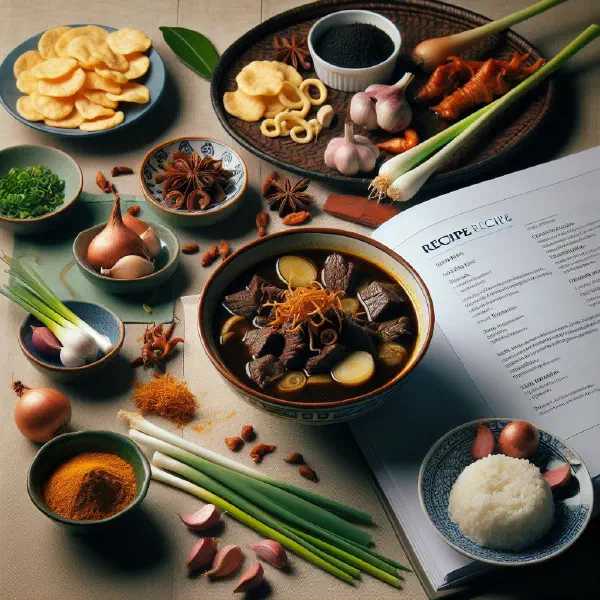
- 250 g beef (such as braising steak)
- 1 litre beef stock
- 2 stalks lemongrass
- 3 kaffir lime leaves
- 1 onion, finely chopped
- 2 garlic cloves, crushed
- 1 teaspoon ground cumin
- 1 teaspoon coriander seeds, toasted and ground
- 1 teaspoon cinnamon
- Salt and pepper, to taste
- A handful of fresh coriander, to garnish
Shopping for the ingredients
When shopping for the ingredients for Coto Makassar, it is worth choosing the freshest produce you can find. The beef should be of good quality to bring out the best flavour. Many of the spices are easy to source from Asian grocers or a well-stocked supermarket. Special items such as kaffir lime leaves or lemongrass are often found in the freezer section or on the spice shelf.
Preparing the dish
Before you start cooking Coto Makassar, a little preparation goes a long way. Cut the beef into small pieces and ready all the spices and herbs, grinding or chopping them as needed. It also helps to slice the onion and garlic in advance to speed up the cooking. This keeps you organised at the stove and makes the whole process run smoothly.
Step-by-step instructions
- Begin by browning the beef in a large pot with a little oil until it is nicely coloured on all sides.
- Add the onion and garlic and fry until softened.
- Pour in the beef stock and bring everything to the boil.
- Add the lemongrass, kaffir lime leaves and the ground spices.
- Reduce the heat and let the soup simmer for at least 1–2 hours so the flavours can develop.
- Season with salt and pepper to taste and garnish with fresh coriander before serving.
Gluten-free / lactose-free version
Coto Makassar is naturally gluten-free and lactose-free, as long as you make sure the stock you use is also free from gluten. Check the label on any ready-made stock to rule out hidden gluten. For a lactose-free version, stick to a clear, unclarified stock and steer clear of any ingredients containing dairy. This simple care makes the dish suitable for a wide range of diets.
Tips for vegans and vegetarians
Coto Makassar can be adapted for vegans and vegetarians by swapping the beef for tofu or tempeh. Use a vegetable stock in place of the beef stock to keep the dish fully plant-based. To preserve the savoury depth of the original, add extra spices or umami-rich ingredients such as mushrooms. That way you hold on to the aromatic variety and character that define Coto Makassar.
More tips and tricks
To give your Coto Makassar a personal touch, a few tips and tricks can make all the difference. Experiment with the quantity of spices, or add more herbs to tune the flavour to your liking. You can also vary the consistency of the soup by adjusting the cooking time, the longer it simmers, the more intense the aroma, while a shorter cook gives a milder, lighter broth.
Adapting the recipe to your taste
One of the great strengths of Coto Makassar is its flexibility, which makes it easy to tailor to your own preferences. If you like things hotter, add fresh chillies. For a nuttier note, a handful of peanuts or cashews works beautifully, a richness it shares with Gado-Gado. You can even vary the meat, reaching for chicken or lamb depending on your taste.
Ingredient substitutions
If some of the ingredients are hard to come by, there are plenty of alternatives to fall back on. In place of beef you could use pork or chicken, both of which sit happily alongside the chosen spices, much as the marinated meat does in Empal Gepuk. Lemon or lime zest stands in nicely for kaffir lime leaves.
Drink pairing ideas
A range of drinks pairs well with a flavourful bowl of Coto Makassar and rounds out the meal. A refreshing green tea sits beautifully against the soup’s aromatic notes. A cold Indonesian beer is another fine choice for balancing the savoury flavours. For an alcohol-free option, freshly pressed fruit juices or a mint lemonade offer a cooling, refreshing lift.
Serving and presentation ideas
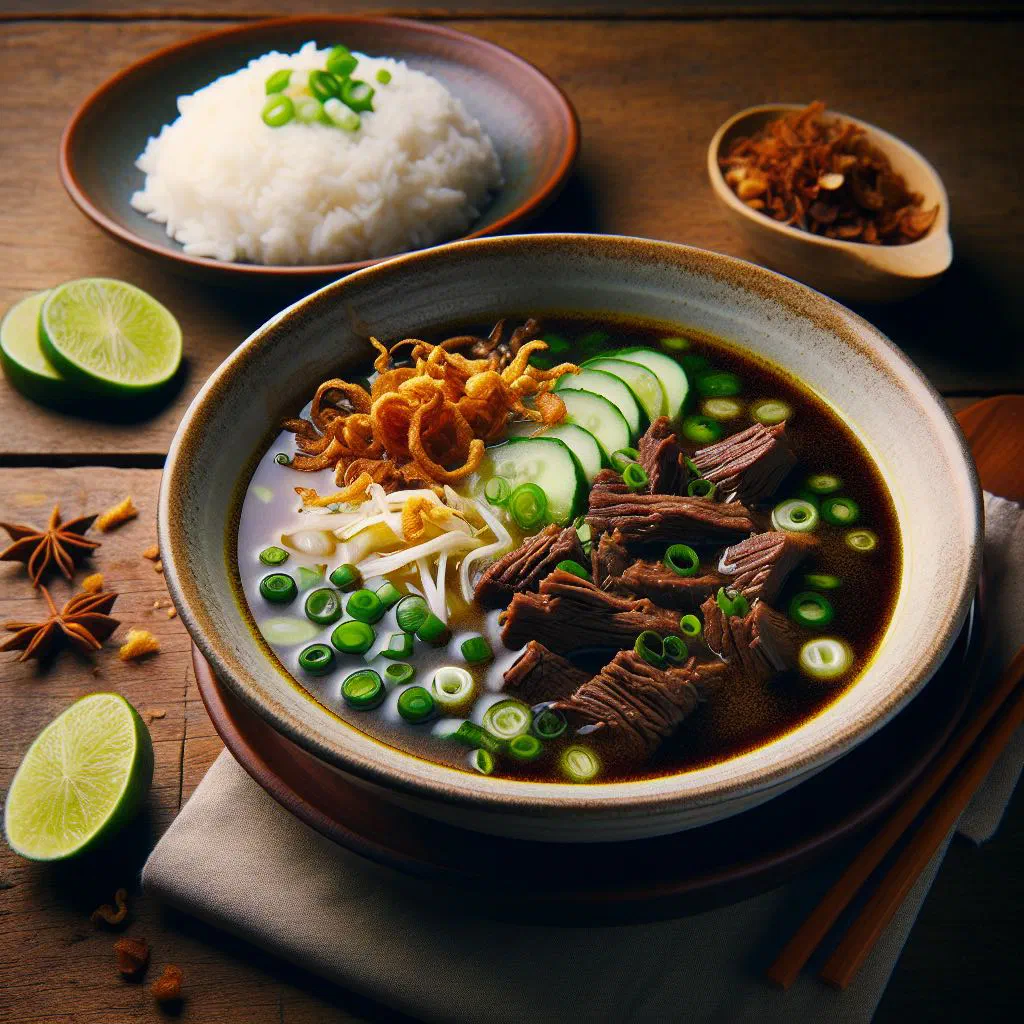
The presentation of your Coto Makassar can lift the whole eating experience. Serve the soup in handsome, deep bowls and garnish with fresh coriander and perhaps a scattering of crisp fried shallots. Round it out with a small dish of rice or lontong on the side. This lets your guests help themselves as they please and makes the meal especially inviting.
A bit of history
Coto Makassar has a history, closely bound up with the culture of South Sulawesi. Originally born in the city of Makassar, it is widely regarded as one of the great dishes of Indonesian cuisine. Cooking and sharing Coto Makassar is an important part of local traditions and celebrations. Historically, the dish reflects the many cultural influences and the sheer abundance that run through Indonesia’s kitchens.
More recipe ideas
Summary: Coto Makassar
Coto Makassar is far more than just a soup; it is an experience for the senses. The combination of tender beef, aromatic spices and the freedom to adapt the recipe to your own taste makes it a firm favourite. Coto Makassar rounds off any meal beautifully. Let this Indonesian delicacy inspire you and bring a little piece of Indonesian culture into your own kitchen.