National Dish Indonesia: Gudeg (Recipe)
In this article
Meet Gudeg, one of Indonesia’s most cherished dishes and a true taste of the island of Java. Tender young jackfruit is slowly braised in rich coconut milk with a fragrant blend of spices until it turns meltingly soft and gently sweet. The result is a warm, comforting plate that is usually served with rice and a handful of moreish sides. Bring the unmistakable aromas of a Yogyakarta kitchen straight to your own table.
About Gudeg
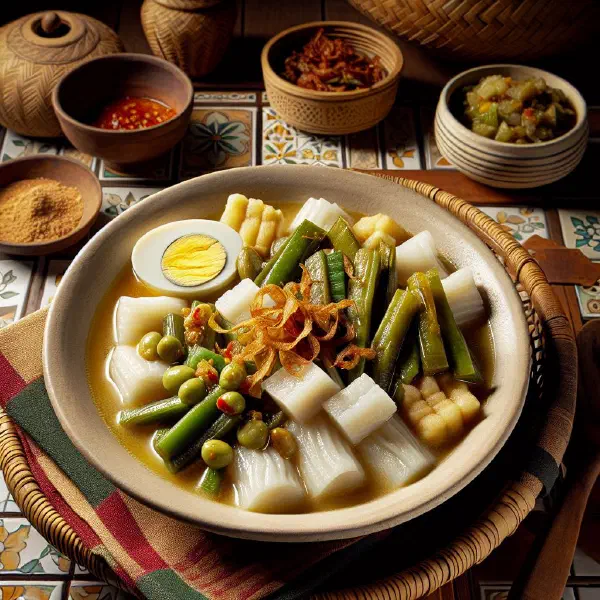
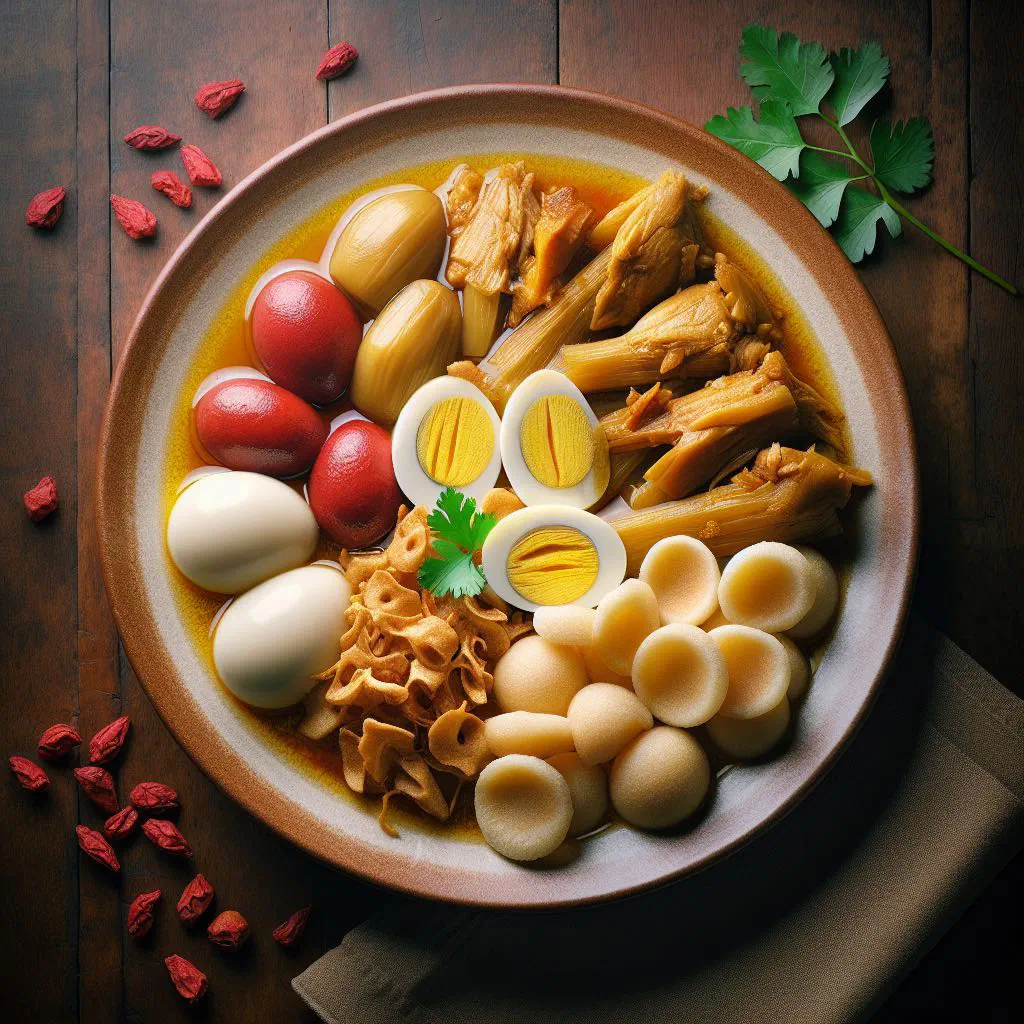
Gudeg is a traditional Indonesian dish that is especially beloved across the island of Java. It is built around young jackfruit, which is simmered together with coconut milk and a generous mix of aromatic spices. This distinctive combination gives the dish its unmistakable, deeply layered flavour. Gudeg is often served with rice and a variety of sides, turning it into a proper feast that no Indonesian kitchen would want to be without.
Ingredients (serves 1–2)
- 400 g young jackfruit, cut into pieces
- 200 ml coconut milk
- 2 cloves garlic, finely chopped
- 1 onion, diced
- 2 kaffir lime leaves
- 1 teaspoon tamarind paste
- Salt and pepper, to taste
- 1 tablespoon palm sugar
- 3 tablespoons vegetable oil
Shopping for the ingredients
When shopping for gudeg, it is worth choosing fresh, good-quality produce to get the best results. Young jackfruit is widely available in Asian grocery shops and can be bought either fresh or tinned. Look for natural coconut milk without artificial additives, as this makes all the difference to the flavour. Many of the other ingredients, such as the spices and tamarind paste, can also be found in Asian markets or well-stocked supermarkets.
Preparing the dish
Good preparation is key to the final flavour of gudeg. Begin by rinsing the young jackfruit thoroughly and cutting it into small pieces. Chop the other ingredients, such as the garlic and onions, ahead of time too. Remember to lightly tear the kaffir lime leaves to release their fragrance.
Step-by-step instructions
- Heat the vegetable oil in a large pot over medium heat.
- Add the onions and garlic and fry until golden brown.
- Add the jackfruit to the pot along with the kaffir lime leaves.
- Pour in the coconut milk and the tamarind paste and stir well.
- Season with salt, pepper and palm sugar to taste.
- Cover the pot and let the dish simmer for about 45 minutes, until the jackfruit is tender.
- Serve the gudeg hot with rice and the sides of your choice.
Gluten-free / lactose-free version
Gudeg is naturally gluten-free and lactose-free, which makes it wonderfully easy to adapt. Every ingredient in this recipe is gluten-free by nature; just check the labels on your spices and other store-bought items to make sure they contain no hidden gluten. Since coconut milk is also free from lactose, anyone with a gluten or dairy sensitivity can enjoy this dish without a second thought.
Tips for vegans and vegetarians
Gudeg is an ideal choice for vegans and vegetarians, as it already relies on plant-based ingredients. Simply make sure that any spices and sauces you use are genuinely vegan. To add even more variety, serve it with steamed vegetables or a fresh salad. The dish also takes happily to extras such as tofu or tempeh, which boost the protein content beautifully, much like the soya-rich Tempe Bacem.
More tips and tricks
To get the most out of gudeg, cook it slowly over low heat. This allows the flavours to develop fully and gives the jackfruit its prized tender texture. If you like a bit of heat, add fresh chilli or a spoonful of chilli sauce. Presentation matters too: a scattering of fresh herbs or crisp fried shallots makes a lovely garnish and lifts the whole plate.
Adapting the recipe to your taste
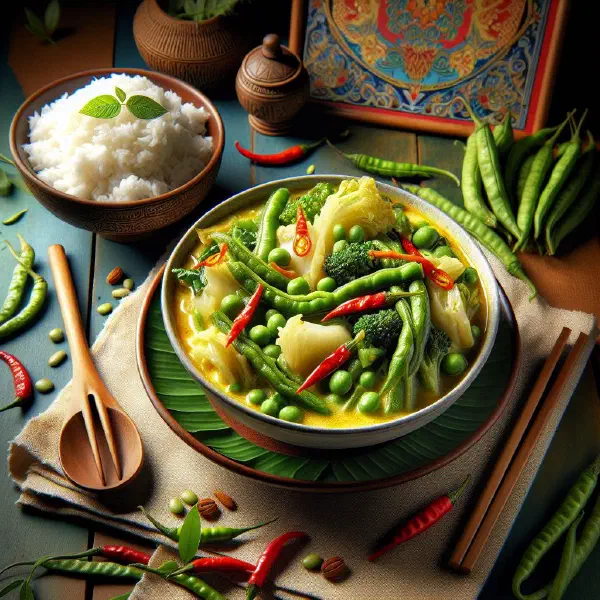
Gudeg is easy to tailor to your own preferences. Use more or less coconut milk depending on how creamy you would like it, and feel free to stir in other vegetables such as carrots or green beans. Experiment with different spices to refine the dish to your liking and bring a little extra variety to each batch you make.
Ingredient substitutions
If you do not have every ingredient for gudeg to hand, there are some handy alternatives. In place of tamarind paste, a splash of lemon juice gives a similar fresh, tangy note. Young jackfruit can be swapped for other vegetables such as pumpkin if you prefer, while soya or almond milk can stand in for coconut milk. Just bear in mind this will change the character of the dish. For another jackfruit favourite, take a look at the vegetable-packed Gado-Gado.
Drink pairing ideas
To round off your gudeg, it is worth considering the right drinks. A chilled fruity iced tea or a light Asian lager complements the flavours perfectly. Alternatively, you could mix up a coconut-based cocktail that echoes the creamy notes of the coconut milk in the dish. A glass of sparkling water with slices of lime adds a refreshing touch and helps round off the meal nicely.
Serving and presentation ideas
An attractive presentation can make gudeg even more enjoyable. Serve it in deep plates or bowls that show off the colours of the ingredients. Use fresh herbs and crisp fried shallots as a garnish to add visual interest. Arranging sides such as vegetables or salad alongside the main dish creates an inviting, well-balanced plate, much as you would with a comforting bowl of Soto Kudus.
A bit of history
Gudeg carries deep cultural meaning in Indonesian cooking, and most of all in the region of Yogyakarta, where the dish has its origins. Its preparation is often tied to festive occasions and has been celebrated through family traditions for generations. The ingredients reflect those typical of Indonesia’s tropical rainforests, and the dish showcases the country’s culinary range and its gastronomic identity. It is a proud emblem of Indonesian cuisine.
More recipe ideas
Summary: Gudeg
In short, Gudeg is more than just a dish; it is an experience. With its aromatic ingredients and its long-standing tradition, it is a true feast that captures the variety of Indonesian cooking. Whether as part of a festive meal or simply for the pleasure of it, gudeg has plenty to offer. Give this delicious recipe a try and let its rich, layered flavours work their magic.