National Dish Indonesia: Gulai Kikil (Recipe)
In this article
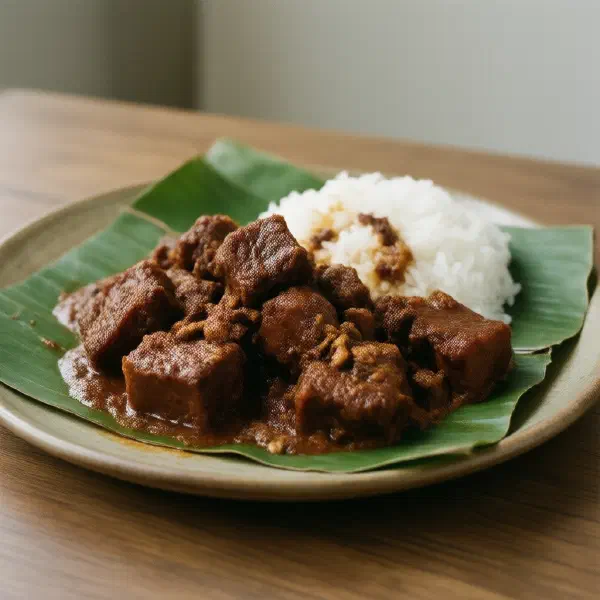
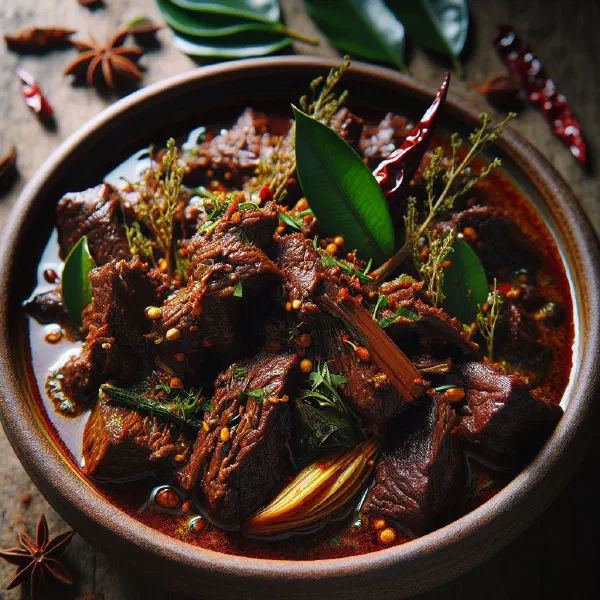
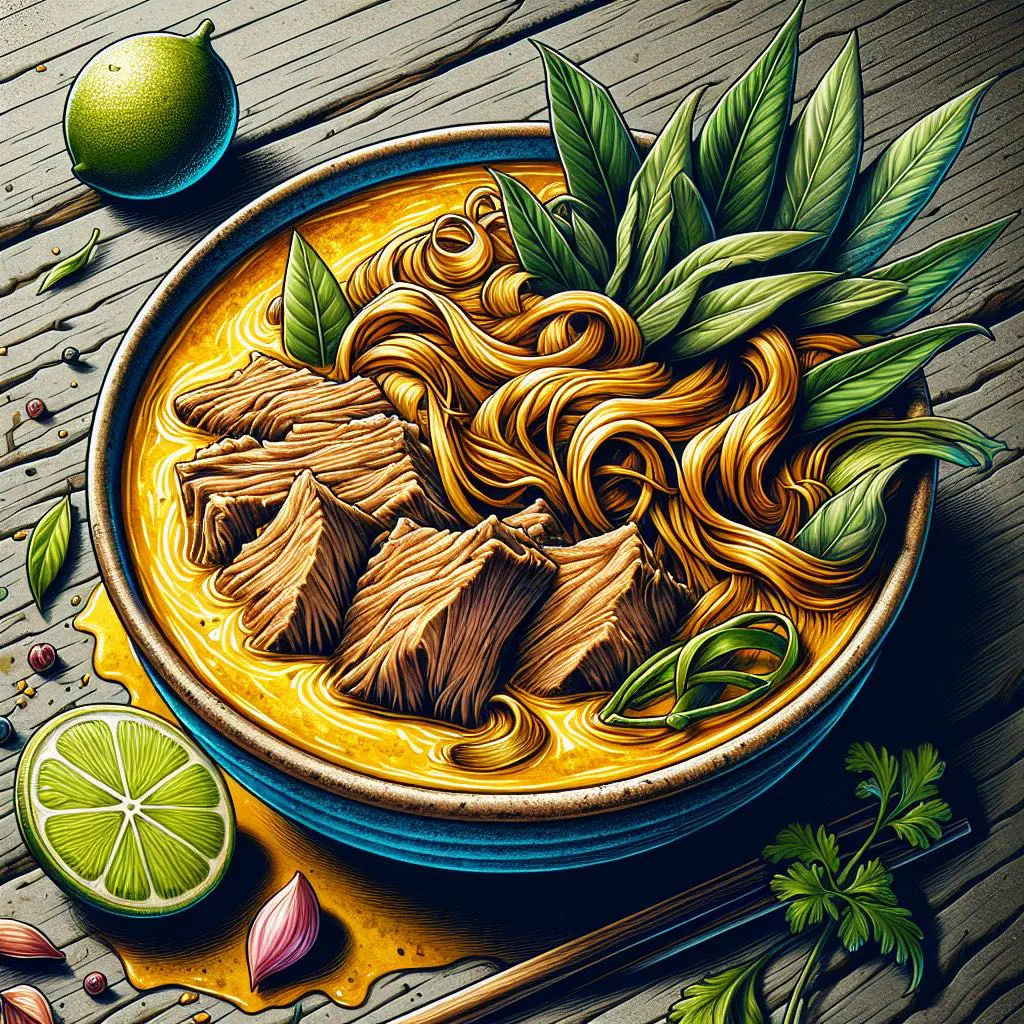
Meet Gulai Kikil, a soul-warming Indonesian curry built around tender, slow-cooked beef and a fragrant, golden coconut sauce. Layered with turmeric, ginger and lemongrass, it delivers the kind of deep, aromatic warmth that turns a simple supper into something memorable. This dish carries the soulful, spice-rich character of Indonesia straight to your table.
About Gulai Kikil
Gulai Kikil is a traditional Indonesian dish celebrated for its rich, deeply spiced coconut milk sauce. It brings together tender, slow-cooked beef and an array of exotic spices, including turmeric, ginger and lemongrass. The harmonious balance of these flavours makes it a true taste sensation that appeals to locals and visitors alike. Enjoy it as a main course and as a standout part of any festive meal.
Ingredients (serves 1–2)
- 300 g beef (shin or brisket)
- 400 ml coconut milk
- 2 stalks lemongrass (white parts only, bruised)
- 5 kaffir lime leaves
- 1 onion, chopped
- 3 garlic cloves, chopped
- 1 piece of ginger (about 2 cm, grated)
- 1 tsp ground turmeric
- 1 tsp red chilli powder (to taste)
- Salt and pepper, to taste
- 2 tbsp vegetable oil
- Fresh coriander leaves, to garnish
Shopping for the ingredients
The ingredients for Gulai Kikil are available in most well-stocked supermarkets or Asian grocery shops. The more specialist spices and fresh herbs, such as kaffir lime leaves and lemongrass, are often easier to track down at an Asian store. Be sure to choose a good-quality coconut milk, as it has a decisive influence on the flavour of the sauce. It is also worth using fresh beef to guarantee the wonderful tenderness this dish is known for.
Preparing the dish
To prepare Gulai Kikil, start by getting all of your ingredients ready. Cut the beef into bite-sized pieces so it cooks through more quickly. Finely chop the onion, garlic and ginger to coax out the very best of their aromas. Bruising the lemongrass releases its essential oils and lends the sauce a more intense fragrance. For a smooth, relaxed cooking session, it pays to have everything prepped and to hand before you begin.
Step-by-step instructions
- Heat the vegetable oil in a large pot and fry the onion, garlic and ginger until golden brown.
- Add the beef and brown it all over until lightly coloured.
- Stir in the turmeric and red chilli powder so the meat is well coated in the spices.
- Pour in the coconut milk and the bruised lemongrass, followed by the kaffir lime leaves.
- Bring everything to a gentle simmer, then reduce the heat and cook softly for at least 1–1.5 hours, until the meat is tender.
- Season with salt and pepper, then garnish with fresh coriander leaves just before serving.
Gluten-free / lactose-free version
Gulai Kikil is naturally gluten-free and lactose-free, provided you check that every ingredient you use fits the bill. The coconut milk is an ideal dairy alternative for anyone who is lactose intolerant, and the spices contain no gluten. If you are cooking for a gluten-free household, simply make sure there are no hidden gluten sources lurking in any pre-processed products. That makes this dish a brilliant choice for a wide range of diets.
Tips for vegans and vegetarians
For a vegan or vegetarian take on Gulai Kikil, swap the beef for vegetables such as aubergine, courgette or jackfruit. The base of the coconut sauce stays exactly the same and keeps that rich, satisfying flavour. To make sure the vegetables stay tender, reduce the cooking time a little. A splash of vegan soya cream can also be added to help achieve a lovely, creamy consistency. The plant-forward Gado-Gado makes a fine companion on a meat-free table.
More tips and tricks
One key tip when cooking Gulai Kikil is to avoid bringing the coconut milk to a rolling boil, as it can split. Keep the heat pleasantly low instead to allow a gentle simmer. Adding more spices to taste, coriander or nutmeg, for example, lets you personalise the flavour. For an even deeper aroma, let the dish rest overnight in the fridge before gently reheating and serving the next day.
Adapting the recipe to your taste
The recipe for Gulai Kikil offers plenty of room to adapt. You can adjust the heat by adding more or less chilli, depending on your preference. The ratio of coconut milk to stock can also be tweaked to create a lighter or richer sauce. Experiment with different vegetables, or stir in some nuts for extra texture and flavour.
Ingredient substitutions
If you are missing a few ingredients for Gulai Kikil, there are plenty of alternatives. Instead of beef, you could use chicken or tofu for a different flavour note, much as you might in a comforting Opor Ayam. When it comes to the coconut milk, almond, cashew or oat milk can stand in, though bear in mind these will change the taste considerably. In place of kaffir lime leaves, a little lime zest works nicely to keep that citrus lift.
Drink pairing ideas
To round off the Gulai Kikil experience, a number of drinks work beautifully. A chilled Indonesian beer pairs superbly with the dish’s spicy aromas. A fresh coconut smoothie can also make a refreshing accompaniment. For those avoiding alcohol, a homemade lime or mango juice is a great choice to balance the flavours. Choose drinks that underline the meal and complement the warm spices.
Serving and presentation ideas
The presentation of Gulai Kikil can be just as important as the taste itself. Serve the dish in a shallow bowl and garnish with fresh coriander leaves to create a vivid contrast against the golden sauce. A side of steamed rice or fresh vegetable strips looks wonderfully appealing. Add a few lime wedges, too, so your guests can season to their own taste at the table.
A bit of history
Gulai Kikil has its roots in Indonesian cuisine, a tradition shaped by a remarkable wealth of cultural influences. It is traditionally served at festivals and on special occasions, and is a much-loved dish in many Indonesian households. Its preparation is something of an art form, calling for patience and an eye for detail. Historically, the gulai style of cooking is interpreted differently across Indonesia’s many islands, giving rise to an incredible variety of recipes.
More recipe ideas
Summary: Gulai Kikil
The Indonesian dish Gulai Kikil offers an unmistakable combination of tender beef and an aromatic coconut sauce, finished with a generous medley of spices. It is a feast for the palate and an invitation into the world of Indonesian cooking. With its many variations and easy adaptations, it suits a wide range of tastes and preferences. Dive into the exotic flavours of Indonesia and treat yourself to this delicious dish.