National Dish Indonesia: Kerak Telor (Recipe)
In this article
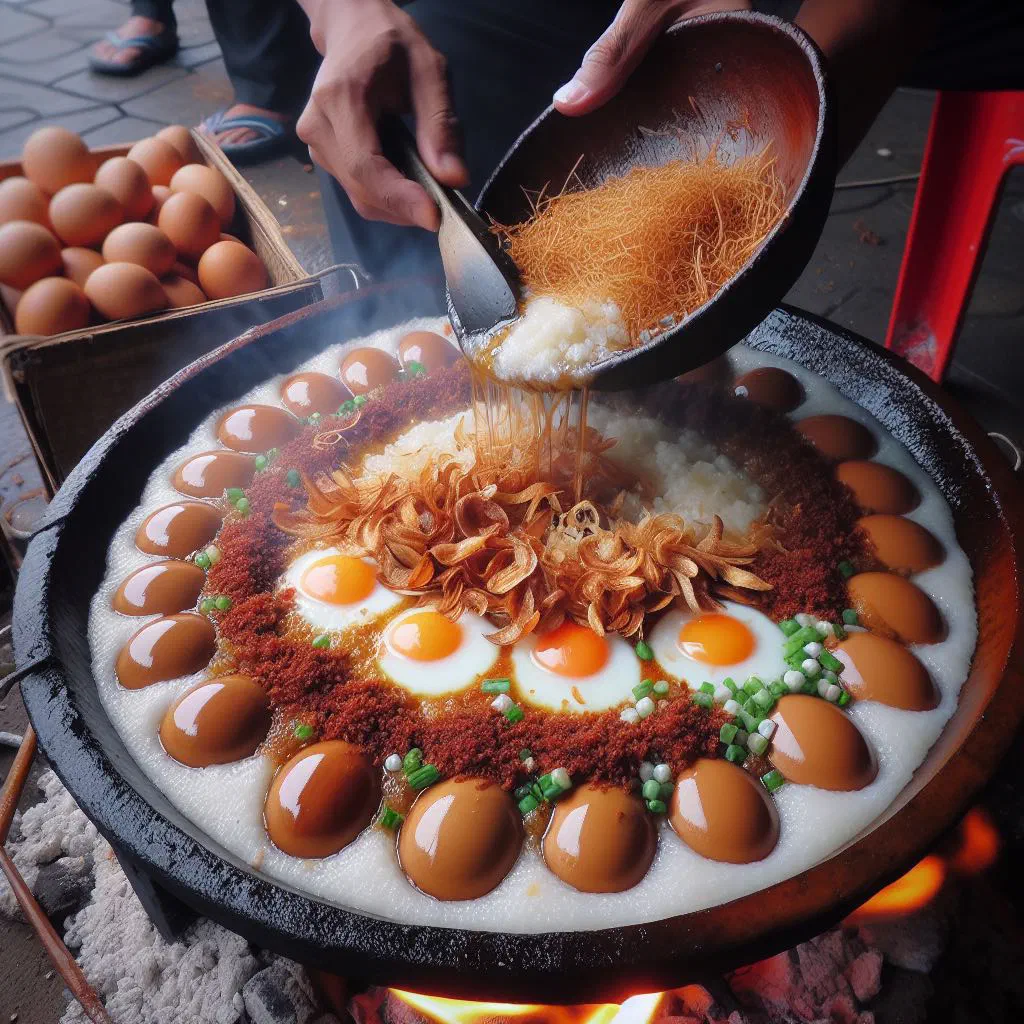
Discover Kerak Telor, the savoury spiced omelette that is one of Jakarta’s most cherished street foods. Cooked over an open flame with sticky rice, eggs and a flurry of warm spices, then crowned with crisp, toasted coconut, it delivers a smoky, deeply aromatic bite quite unlike any other. It is the perfect quick snack to satisfy a craving, and it brings a taste of busy Indonesian markets straight to your own kitchen.
About Kerak Telor
Kerak Telor is far more than a simple omelette; it is a true traditional dish of Indonesia, with roots in the Betawi culture of Jakarta. This delicious dish is built around sticky rice, which gives the omelette its distinctive flavour and its characteristically crisp, charred texture. At countless street stalls and markets across Indonesia it is still cooked the time-honoured way over a charcoal fire, lending the dish its authentic flair. A much-loved piece of street food, it makes a wonderfully quick snack to tide you over between meals.
Ingredients (serves 1–2)
- 2 large eggs
- 100 g sticky rice (cooked)
- 2 tablespoons grated coconut
- 1 teaspoon shallots, finely chopped
- 1 teaspoon spice blend (e.g. turmeric, chilli)
- Salt and pepper to taste
- Oil for frying
Shopping for the ingredients
The ingredients for kerak telor are available in many Asian grocery shops. Sticky rice is an essential component and should be cooked in advance to achieve the perfect consistency. The grated coconut adds an extra layer of flavour, while the shallots round out the aromatic palette. If you cannot find the more specialist ingredients locally, they can often be ordered online.
Preparing the dish
Before you begin making kerak telor, have all your ingredients ready to hand. Cook the sticky rice ahead of time and let it cool a little. In a bowl, crack the eggs and beat them together with the spice blend, the salt and the pepper. This ensures the spices are evenly distributed throughout the dish, which deepens and intensifies the flavour.
Step-by-step instructions
- Heat a pan with a little oil over medium heat.
- Add the cooked sticky rice to the pan and press it down lightly to form an even layer.
- Pour the egg mixture evenly over the rice and let it begin to set.
- Scatter the grated coconut and the shallots over the top and continue cooking until the omelette is golden brown.
- Carefully turn it with a spatula and cook the other side.
- Slide the finished kerak telor onto a plate and serve hot.
Gluten-free / lactose-free version
Kerak telor is naturally gluten-free and lactose-free, as it contains no dairy products. Sticky rice and eggs are the main components of the dish. Do check, however, that the spices and any other ingredients are likewise free from gluten so the dish stays fully gluten-free. It is ideal for anyone with food intolerances, enjoy the authentic flavour without a second thought.
Tips for vegans and vegetarians
For a vegan version of kerak telor, the eggs can be replaced with a batter of chickpea flour and water. This delivers a similar consistency while keeping the result rich and flavourful. You can also use grated coconut and shallots as before to preserve the aromas of the traditional dish. Experiment with different spices to give your vegan take a fresh new twist.
More tips and tricks
To make the result even tastier, try varying the spice blend, a touch of fresh coriander or chilli works beautifully. Careful cooking over medium heat keeps the rice crisp while the omelette stays soft. Use a non-stick pan to make turning easier and to stop the mixture from sticking. That is the secret to a perfect kerak telor every time. The same patient approach pays off with a hearty plate of Nasi Goreng Kambing.
Adapting the recipe to your taste
If you cannot find grated coconut, grated Parmesan makes for an interesting, if untraditional, alternative that creates a new flavour profile. In place of shallots you could use spring onions to add a fresh note. The sticky rice can also be swapped for ordinary white or brown rice, though the texture will change a little. Experiment with different ingredients to discover your own personal favourite.
Ingredient substitutions
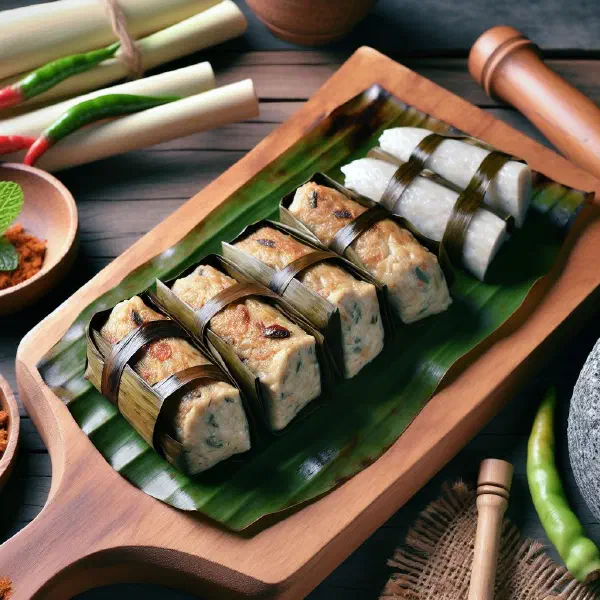
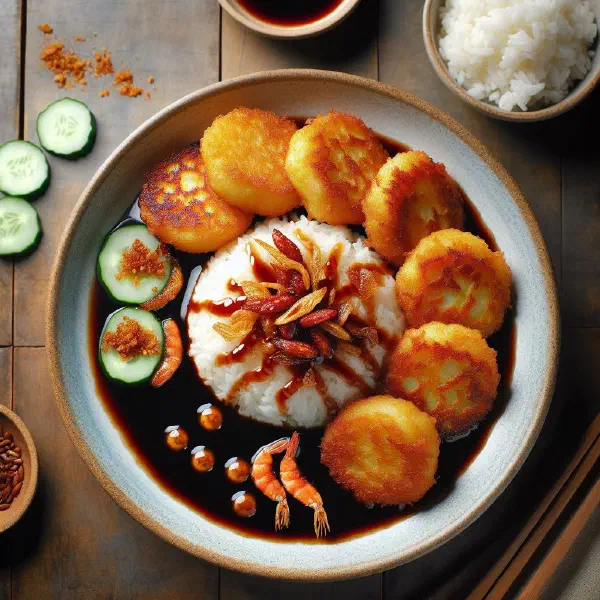
Should certain ingredients be hard to come by, there are plenty of creative options. Spring onions stand in nicely for shallots, while regular rice can replace the sticky variety if you accept a softer bite. For a more substantial, protein-rich meal you might serve it alongside something like Tempe Bacem or the spicy beef of Dendeng Balado. Substitutions like these let you adapt the recipe to what is in season or to your own preferences.
Drink pairing ideas
Kerak telor pairs wonderfully with a light green tea, which complements the dish’s aromas perfectly. A fresh Indonesian coffee also makes a fine accompaniment, rounding off the meal beautifully. For an alcohol-free option, try a refreshing iced lemon drink or a tropical fruit juice. These drinks are a lovely way to bring a little of Indonesia’s warmth into your home.
Serving and presentation ideas
To serve kerak telor attractively, scatter fresh herbs such as coriander or mint over the top. Plating it on a wooden board or in a traditional bowl lends the dish extra charm. Serve it with a few wedges of lime for a fresh burst of flavour. A little play of colour ensures the dish is as much a feast for the eyes as for the palate.
A bit of history
Kerak telor has a long history reaching back to the 19th century. It originally emerged on the streets of Jakarta as a simple meal for workers and travellers. The dish reflects the cultural diversity of Indonesia and is a symbol of the country’s culinary traditions, a proud example of Indonesian cuisine. Today kerak telor is treasured not only across Indonesia but is also winning fans internationally.
More recipe ideas
Summary: Kerak Telor
Kerak telor is a unique Indonesian dish that wins everyone over with its combination of sticky rice, eggs and aromatic spices. With its rustic preparation and very good aroma, it is the ideal way to bring a slice of Jakarta into your home kitchen. Vegetarian or even vegan version, the possibilities are wonderfully varied. This dish is a pleasure to eat and a piece of living culture, well worth discovering.