National Dish Indonesia: Nasi Bogana (Recipe)
In this article
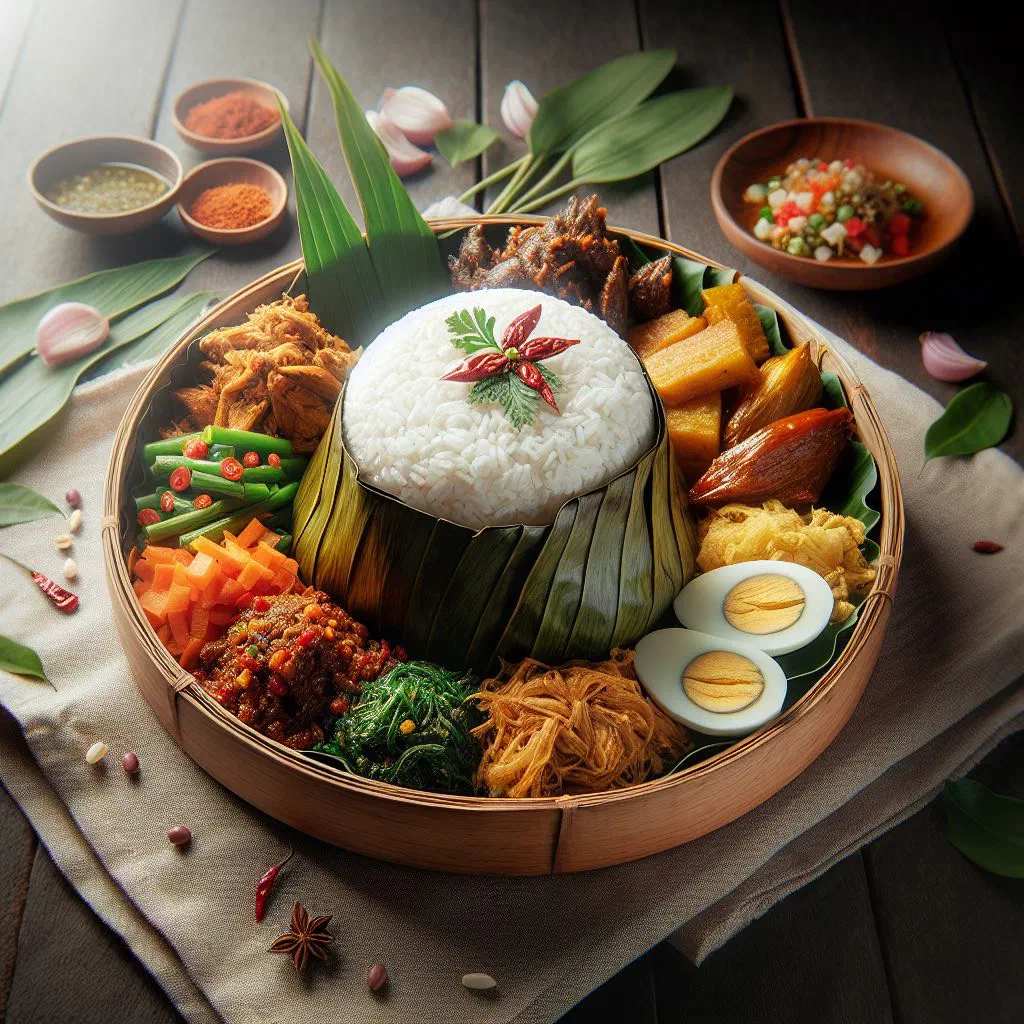
Set off on a flavour-packed journey through the Indonesian archipelago with Nasi Bogana, a comforting plate of fragrant rice cooked with warm spices, fresh vegetables and tender chicken. Every forkful carries the bright aromas of turmeric, garlic and soy, capturing the rich diversity of the islands in a single dish. A staple in many Indonesian homes and a regular at celebrations, it is the kind of hearty meal that brings everyone to the table.
About Nasi Bogana
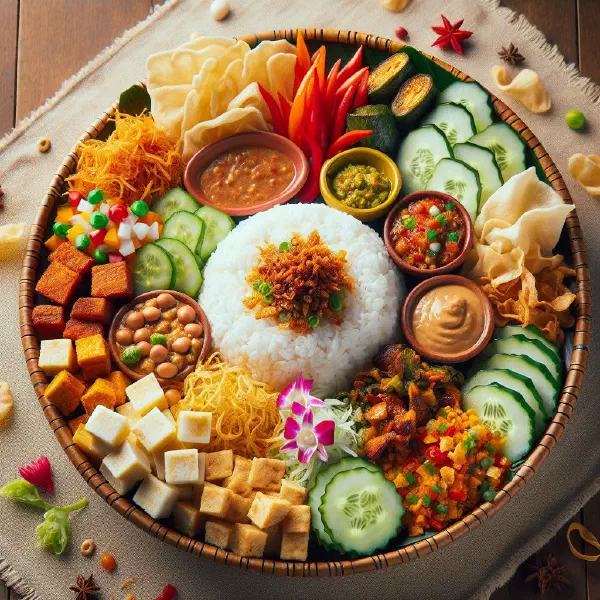
Nasi Bogana is far more than just a meal; it is a tour through Indonesia. Built around cooked rice that simmers together with a medley of spices, fresh vegetables and tender meat, the dish is a true highlight of Indonesian cuisine. Each bite delivers an explosion of flavour that reflects the country’s rich cultural variety. In countless Indonesian households it is a firm fixture at mealtimes, and it is often served at festive gatherings, much like the celebratory rice of Nasi Kebuli.
Ingredients (serves 1–2)
- 200g jasmine rice
- 150g chicken breast or tofu
- 1 carrot, diced
- 100g green beans, finely chopped
- 1 onion, finely chopped
- 2 cloves garlic, chopped
- 1 teaspoon turmeric
- 1 teaspoon soy sauce
- Salt and pepper, to taste
Shopping for the ingredients
For Nasi Bogana, fresh ingredients should always be the priority. Local markets are an excellent place to track down crisp vegetables and good-quality meat. Many of the components are easy to find in Asian grocers or larger supermarkets, especially the special spices such as turmeric. Where you can, reach for organically grown produce to guarantee the very best flavour.
Preparing the dish
To make cooking Nasi Bogana as smooth as possible, prepare all of your ingredients before you begin. That means rinsing the rice and letting it soak, chopping the vegetables and cutting the chicken or tofu into bite-sized pieces. This bit of groundwork saves time once the cooking starts and ensures the flavours have the chance to mingle thoroughly. A well-organised work surface keeps the whole process relaxed and steady.
Step-by-step instructions
- Cook the rice according to the packet instructions and set it aside.
- Heat a little oil in a pan and sauté the onion and garlic until golden brown.
- Add the diced chicken or tofu and fry until well browned.
- Stir in the diced vegetables and the spices, mixing well and cooking briefly.
- Add the cooked rice, combine everything thoroughly and season to taste with salt, pepper and soy sauce.
Gluten-free / lactose-free version
For a gluten-free take on Nasi Bogana, simply swap regular soy sauce for a gluten-free soy sauce or tamari. These offer the same savoury depth without any gluten. The dish is naturally lactose-free, as no dairy products are required at all. These small tweaks make Nasi Bogana an excellent choice for anyone with particular dietary needs.
Tips for vegans and vegetarians
Vegans and vegetarians can adapt Nasi Bogana with ease by replacing the meat with vegetables or plant-based protein sources such as chickpeas or lentils. You can also bring in a wider range of vegetables to add extra nutrients and exciting flavours. Swapping soy sauce for tamari keeps the dish fully vegan, much as the veggie-forward Gado-Gado does. These options make the dish accessible and tasty for everyone.
More tips and tricks
A key tip when making Nasi Bogana is to avoid over-stirring the rice, otherwise it can turn sticky. Take care to regulate the heat sensibly while cooking. A squeeze of lemon can also help to lift the dish and give it a fresh edge. Experiment with different spices to create your own signature touch.
Adapting the recipe to your taste
The wonderful thing about Nasi Bogana is just how adaptable it is. Depending on your own preferences, you can add different vegetables or turn up the seasoning. If you like it hearty and bold, stir in fierce chillies or use less vegetable. For a milder version, ease back on the garlic or onion. This flexibility makes it easy to shape the dish into a genuine favourite.
Ingredient substitutions
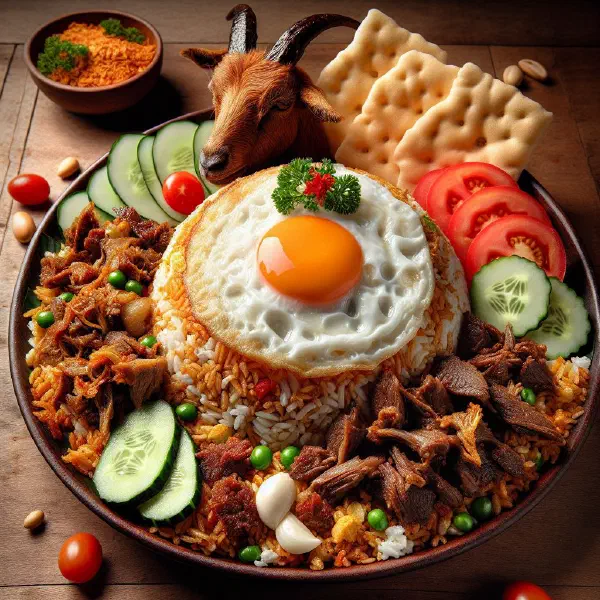
If some of the ingredients are not to hand, there are plenty of alternatives to choose from. In place of jasmine rice you could use basmati, and frozen vegetables make a practical stand-in for fresh ones. For a protein-rich variation, quinoa can be used instead of rice, in the same spirit as the rice-swapping ideas behind Nasi Goreng Kambing. These substitutions let you put the dish together simply and deliciously.
Drink pairing ideas
To accompany your Nasi Bogana, refreshing drinks such as a classic Indonesian Teh Botol (bottled sweet tea) or a homemade lemonade work beautifully. These pair perfectly with the dish’s robust flavours. For an alcoholic option, a light Asian lager offers a fine balance. Be sure to serve cold drinks to soften any heat in the food.
Serving and presentation ideas
An appealing presentation of your Nasi Bogana can lift the whole dining experience. Serve the dish in a colourful bowl and garnish it with fresh herbs such as coriander or spring onions. A small dish of sauce or sambal on the side complements it wonderfully. A thoughtful presentation will pleasure your guests and make the dish look even more inviting.
A bit of history
Nasi Bogana is deeply rooted in Indonesian culture, with origins in the country’s traditional cooking. Preparing the dish is often a communal affair, with family members working together to create a delicious meal. Historically, it reflects the many ethnic groups of Indonesia, each contributing their own ingredients and techniques. Over the years Nasi Bogana has evolved, yet it remains a much-loved dish served in homes and restaurants alike, sitting comfortably alongside everyday classics like Opor Ayam.
More recipe ideas
Summary: Nasi Bogana
In short, Nasi Bogana is an indispensable part of Indonesian cuisine, winning everyone over with its unique blend of spices, fresh vegetables and tender meat. It is wonderfully easy to adapt, leaves plenty of room for creative variation, and suits omnivores and vegans alike. With fresh ingredients and an attractive presentation, it becomes the highlight of any meal. Nasi Bogana promises a truly memorable taste experience.