National Dish Indonesia: Nasi Kebuli (Recipe)
In this article
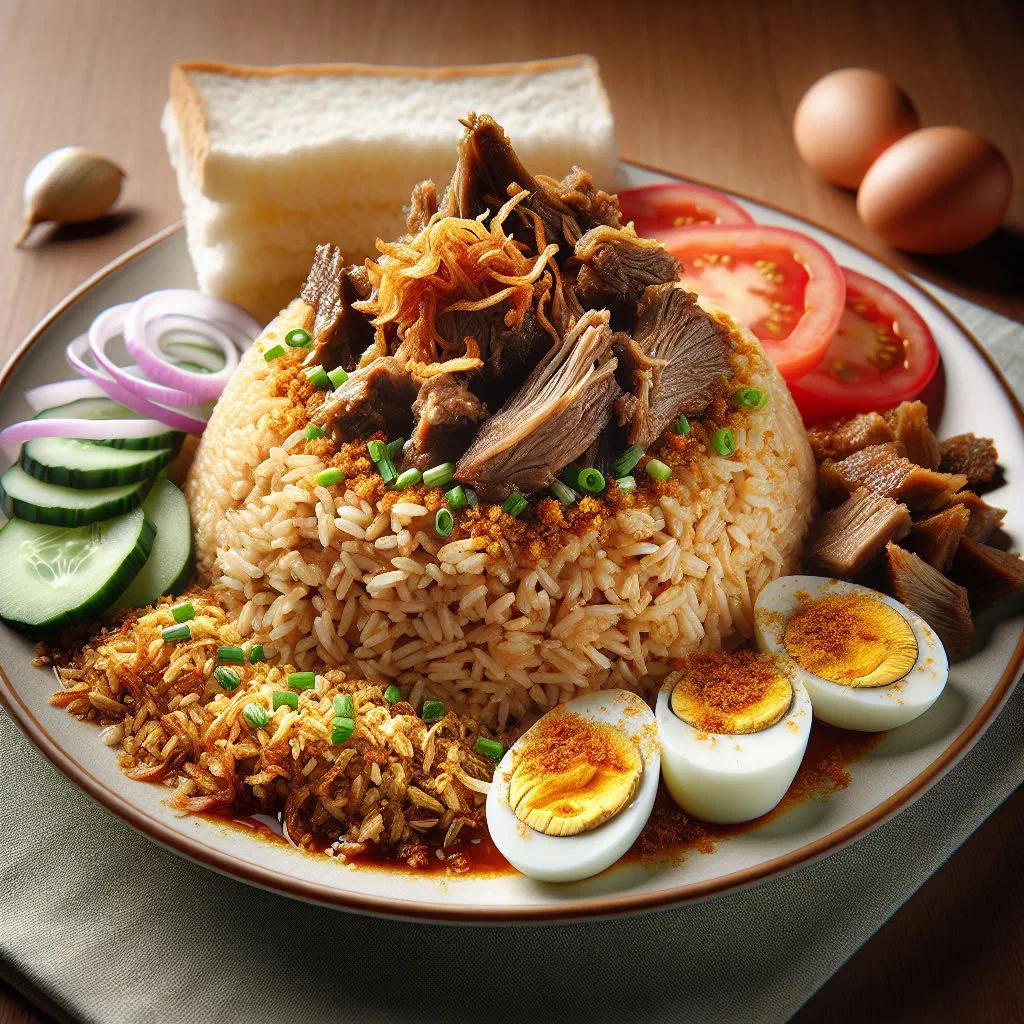
Discover Nasi Kebuli, a fragrant spiced rice dish that captures the rich, festive side of Indonesian cooking. Tender meat, nutty basmati rice and a heady mix of exotic spices come together in a plate that feels at once comforting and special. Often served at celebrations and family gatherings, it is a true symbol of Indonesia’s culinary heritage. Bring these warm, aromatic flavours straight to your own kitchen.
About Nasi Kebuli
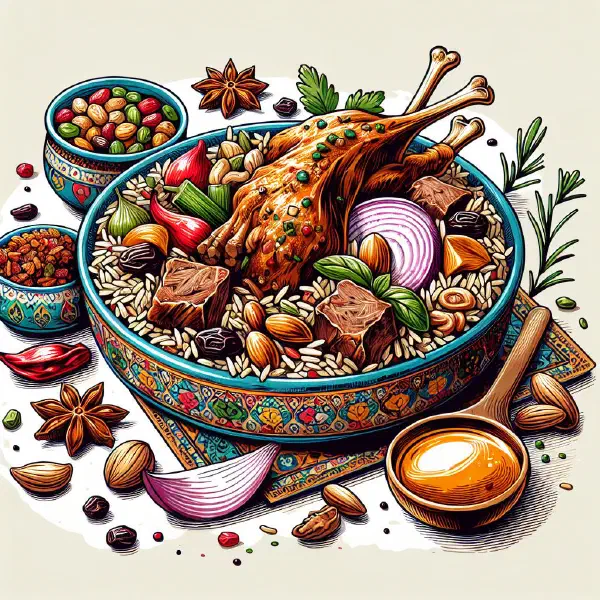
Nasi Kebuli is a traditional Indonesian dish that captivates locals and visitors alike. It is prized for its distinctive flavour and its generous use of fine, exotic spices. The dish is frequently served at festivities and special occasions, and is a symbol of Indonesia’s culinary diversity. Especially popular is the pairing of tender meat, usually lamb or chicken, with perfectly cooked basmati rice, a combination that turns every meal into an event.
Ingredients (serves 1–2)
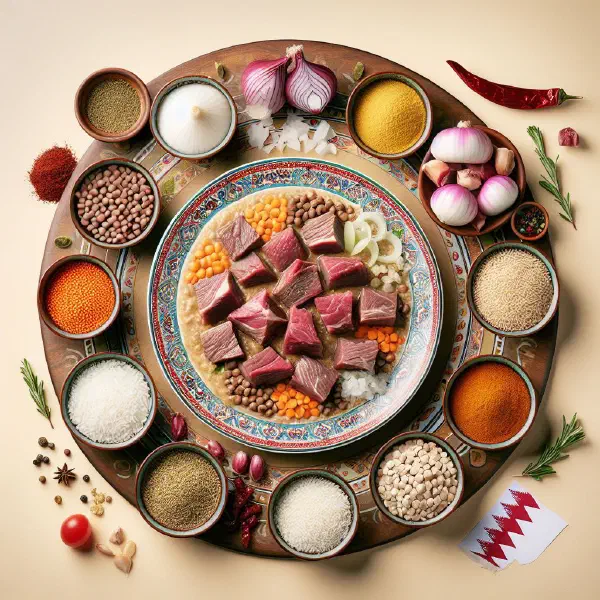
- 200 g basmati rice
- 300 g lamb or chicken
- 2 tablespoons oil
- 1 onion, finely chopped
- 2 cloves garlic, chopped
- 1 teaspoon cumin
- 1 teaspoon cinnamon
- 1 teaspoon turmeric
- 1 bay leaf
- 1 red pepper, diced
- Fresh herbs (such as parsley or coriander)
- Salt and pepper to taste
Shopping for the ingredients
When shopping for the ingredients for nasi kebuli, it pays to focus on quality to get the very best flavour. Fresh lamb or chicken is key, as it gives the dish its tender texture and rich aroma. The basmati rice should be of good quality to guarantee the right fluffy grain and fragrance. Spices matter just as much; reach for exotic and fresh varieties, ideally from an Asian grocery, where you will find the most authentic options.
Preparing the dish
Preparing nasi kebuli is straightforward, though it rewards a little time and care. Begin by cutting the meat into even pieces and marinating it with spices so it can soak up the full flavour. It is also worth rinsing the basmati rice beforehand to wash away excess starch and keep the grains loose and separate as they cook. Prepare the vegetables too, dicing them small to improve both the look and the taste of the finished dish.
Step-by-step instructions
- Heat the oil in a large pan and fry the onion and garlic until golden brown.
- Add the marinated meat and cook until lightly browned.
- Stir in the spices and the bay leaf, toasting them briefly with the meat.
- Add the rinsed basmati rice and stir well so the spices work through every grain.
- Pour in enough water to cover the rice and let everything simmer over low heat until the rice is tender.
- Serve the dish with fresh vegetables and herbs.
Gluten-free / lactose-free version
Nasi kebuli is naturally gluten-free and lactose-free, since it is built mainly from rice and meat. Even so, do check that all the spices and oils you use carry no traces of gluten or lactose. If you need extra lactose-free options, simply use plant-based oils or alternatives that exclude animal products altogether. That way the dish stays suitable for every kind of dietary need.
Tips for vegans and vegetarians
For vegan and vegetarian versions of nasi kebuli, swap the meat for vegetables or plant-based proteins such as tofu or tempeh. These options soak up the spices beautifully and provide a protein-rich base. You can also add extra vegetables, like carrots or green peas, to make the dish more nourishing. For a special touch, try folding in nuts or dried fruit to bring a gentle sweetness, a trick that also works wonderfully in Gado-Gado.
More tips and tricks
For the very best result, let the dish rest after cooking so the flavours can fully develop. Another good tip is to cook the rice in stock rather than water, which lends the dish even more depth. A good squeeze of lemon juice just before serving rounds off the flavour and brings a welcome freshness. Experiment with different side dishes too, so you can tailor the meal to your own taste.
Adapting the recipe to your taste
The versatility of nasi kebuli lets you adjust the ingredients and spices to suit your preferences and whatever is on hand. Experiment with different cuts of meat, or try seafood for a fresh new twist. The choice of vegetables can vary too, so you can make the most of seasonal produce. Give your creativity free rein, the goal is a dish that works perfectly for you, much like the endlessly adaptable rice in Nasi Goreng Kambing.
Ingredient substitutions
If certain ingredients are hard to find, or if you simply fancy a change, nasi kebuli offers plenty of alternatives. In place of basmati rice you can use jasmine rice or even quinoa, which brings an interesting texture and a different flavour. The meat can be replaced with savoury soya mince or even mushrooms to emphasise that umami note. The spices, too, can be adjusted to taste, cinnamon, for example, can be swapped for nutmeg.
Drink pairing ideas
To round off the nasi kebuli experience, the choice of drinks matters just as much. A refreshing Asian iced tea pairs wonderfully with the dish, offering a pleasant balance to the warm, spiced flavours. For something with a little alcohol, a light beer or a fruity red wine make ideal companions. You might also serve a local Indonesian drink such as teh tarik to create a truly authentic dining experience.
Serving and presentation ideas
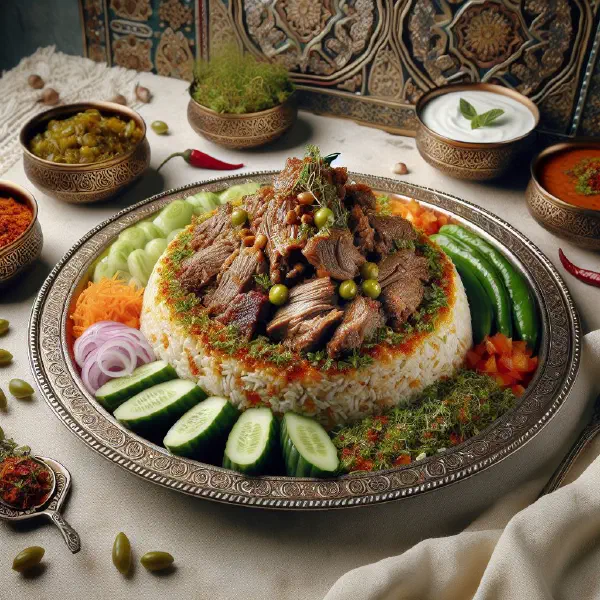
An attractive presentation makes your nasi kebuli a feast for the eyes and can heighten the anticipation of every bite. Serve the dish in a stylish bowl and garnish with fresh herbs such as coriander or parsley. A squeeze of fresh lemon on top adds a splash of colour while lifting the flavour. Set out extra small dishes for sides such as pickled vegetables or sambal to give the meal more variety.
A bit of history
Nasi kebuli has a history, woven closely into Indonesia’s cultural influences. Originally introduced by Arab traders, the dish has evolved over time with local ingredients and cooking techniques. It reflects the story of trade and the versatility of Indonesian cuisine. Today nasi kebuli is a much-loved dish found across many parts of Indonesia as well as in Indonesian restaurants around the world.
More recipe ideas
Summary: Nasi Kebuli
In short, Nasi Kebuli is a unique and delicious dish that brings together the flavours and traditions of Indonesia in the most wonderful way. With its aromatic spices, tender meat and nutty basmati rice, it is a real treat for any occasion. Whether for a festive gathering or simply an everyday meal, cooking nasi kebuli offers an experience that appeals to both the palate and the heart. Let the appeals to of Indonesia inspire you and discover this marvellous world of flavour for yourself.