National Dish Indonesia: Nasi Kuning (Recipe)
In this article
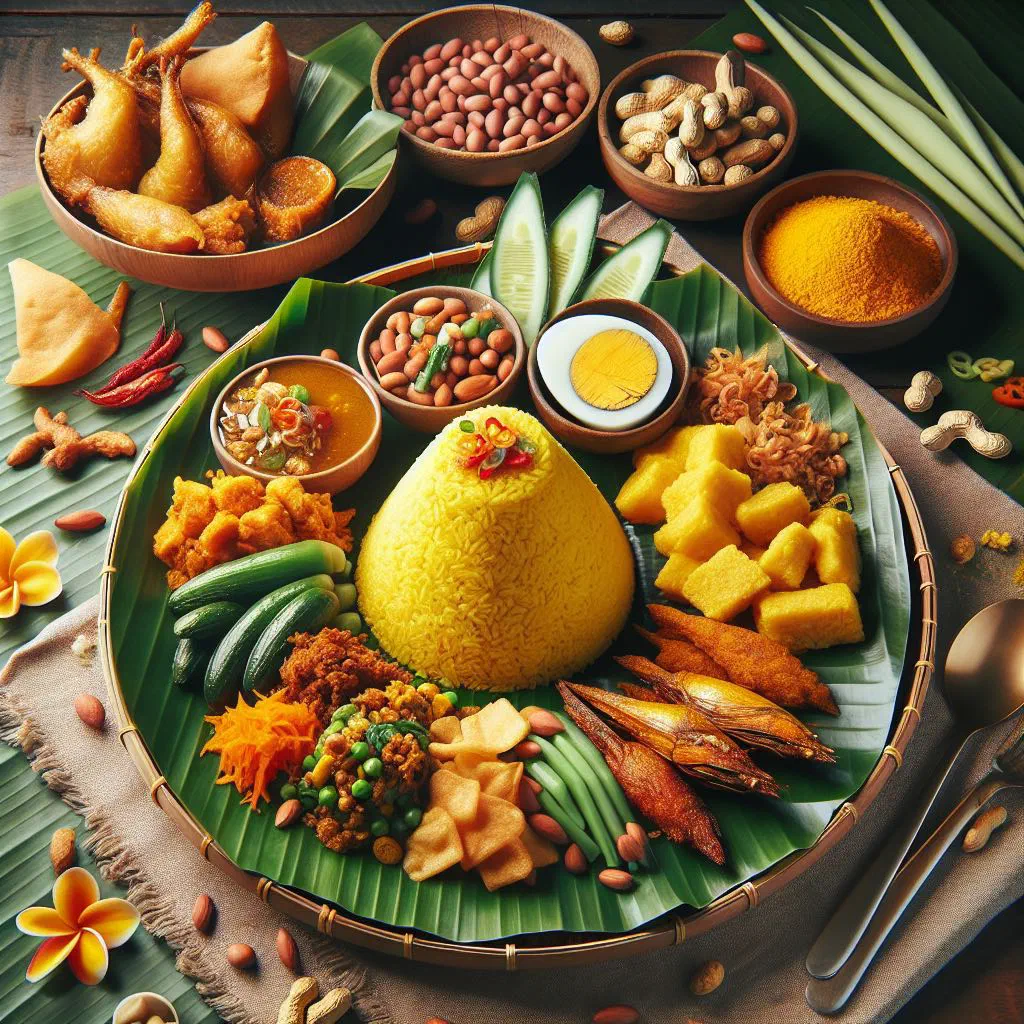
Say hello to Nasi Kuning, Indonesia’s golden festive rice. Fragrant jasmine rice is simmered in coconut milk and tinted a brilliant yellow with turmeric, then crowned with savoury sides such as chicken, egg and lightly steamed vegetables. Long regarded as a symbol of prosperity and good fortune, it appears at weddings, celebrations and family gatherings alike. Bring these vivid, aromatic flavours into your own kitchen with this simple recipe.
About Nasi Kuning
Nasi Kuning is a traditional Indonesian rice dish prized as much for its striking golden colour as for its warm, savoury flavour. That glow comes from turmeric, one of the key ingredients, which is valued for the colour it lends and for its reputed health benefits. The dish is often served on special occasions and is considered a symbol of prosperity and good luck. It is typically presented with a variety of side dishes such as chicken, eggs and vegetables, making it a colourful and nourishing meal.
Ingredients (serves 1–2)
- 200g jasmine rice
- 1 tsp turmeric
- 400ml coconut milk
- 1 stalk lemongrass (bruised)
- 2–3 pandan leaves (optional)
- Salt, to taste
- Chicken breast, cooked and seasoned (to taste)
- Boiled eggs (2 per person)
- Steamed vegetables (e.g. carrots, peas)
Shopping for the ingredients
To make nasi kuning, you can find the ingredients in most well-stocked supermarkets or at Asian grocery shops. Turmeric and coconut milk are the essentials that give the dish its very particular character. If you can track down pandan leaves, they are well worth trying, as they add an extra layer of aroma. Choose fresh produce wherever possible to guarantee the best flavour and the greatest nutritional benefit.
Preparing the dish
Before you start cooking nasi kuning, wash the rice thoroughly to rinse away the excess starch, which improves the texture of the finished dish. Prepare the other components in advance by cooking and seasoning the chicken and hard-boiling the eggs. The vegetables can be steamed or blanched, depending on your preference and the texture you are after.
Step-by-step instructions
- Tip the washed rice into a pan and cook it with the coconut milk, adding a little water if needed.
- Stir in the turmeric, salt, lemongrass and, if using, the pandan leaves until everything is well combined.
- Simmer the rice over low heat for 15–20 minutes, until the liquid has been absorbed.
- Arrange the cooked rice on a plate and top with the chicken, eggs and vegetables.
- Serve with fresh herbs or sambal to taste.
Gluten-free / lactose-free version
Nasi kuning is easy to make gluten-free and lactose-free, since the main ingredients, rice and coconut milk, are naturally free of both. Do check, though, that any seasonings and extra components are gluten-free too. More and more products are now clearly labelled as gluten-free, which makes shopping simpler. That way you can enjoy the flavours and the traditional preparation without any worries.
Tips for vegans and vegetarians
For a vegan or vegetarian version of nasi kuning, swap the chicken for fried tofu or tempeh to keep up the protein. These alternatives soak up the spices beautifully and offer a similar texture. You can also add a range of vegetables, such as courgette or peppers, for a colourful variety. A little creativity and willingness to experiment go a long way in tailoring the dish to your own taste.
More tips and tricks
One key tip when making nasi kuning is to let the rice rest for a few minutes after cooking so it can take on the flavours more fully. Using a rice steamer can add an extra dimension of aroma and improve the texture too. Experiment with different spices and additions such as fried shallots or peanuts to give the dish a personal touch. Presentation also matters, serve it on an attractive plate to show off the colours and textures.
Adapting the recipe to your taste
Nasi kuning is a very flexible dish that can be adjusted to suit different tastes and diets. If you love heat, for example, add sambal or fresh chillies. For a sweeter note, stir a little sugar or honey into the coconut milk.
Ingredient substitutions
If certain ingredients aren’t to your taste or are hard to find, there are excellent alternatives. In place of jasmine rice, you could use basmati for a slightly nutty note. The coconut milk can be replaced with almond or oat drink if needed to make the dish more vegan-friendly. Turmeric could be supplemented with saffron, though that tends to be pricier. Simply adapt the ingredients to suit what you have and what you prefer, much as you might with a comforting bowl of Opor Ayam.
Drink pairing ideas
A range of drinks pairs beautifully with a delicious nasi kuning, complementing the flavours of the dish. A classic Indonesian option is Teh Tarik, a sweetened milk tea served hot or cold. For something more refreshing, try a fruit juice such as mango juice, or Cendol, a sweet dessert drink. These combinations round off the culinary experience and offer a good accompaniment to please the palate.
Serving and presentation ideas
The way you present nasi kuning can greatly enhance the whole eating experience. Serve the dish on a large, flat platter and arrange the side dishes in a pleasing play of colours. Use fresh herbs or edible flowers as a garnish to give the dish an exquisite touch. You can also set out small bowls of different sauces and sides so each guest can adjust their portion to their own liking.
A bit of history
Nasi kuning has its roots in Indonesian culture and history, where it is traditionally prepared for celebratory occasions such as weddings and religious festivities. The yellow colour is regarded as a symbol of prosperity and wealth. The dish is an important part of Indonesian identity, bringing flavour and a deeper cultural meaning to the table. Over time, nasi kuning has gained international recognition too and has become a popular feature of the Indonesian cuisine served in countless Asian restaurants around the world.
More recipe ideas
Summary: Nasi Kuning
In short, nasi kuning is a captivating and flavourful dish that brings together the aromas and cultural elements of Indonesia in wonderful fashion. With its brilliant golden colour and array of side dishes, it is a feast for the senses and a deeply rooted symbol of Indonesian tradition. Making nasi kuning is a rewarding and enriching experience. Make the most of these tips to shape the dish exactly to your own taste, and bring the flavour of Indonesia straight into your home.