National Dish Indonesia: Nasi Liwet (Recipe)
In this article
Discover Nasi Liwet, a fragrant rice dish that sits at the very heart of Indonesian cooking. Simmered gently in rich coconut milk and infused with lemongrass and kaffir lime, it delivers a creamy, aromatic comfort that works equally well as a main course or a generous side. This Javanese classic brings warmth and authentic flavour to any meal.
About Nasi Liwet
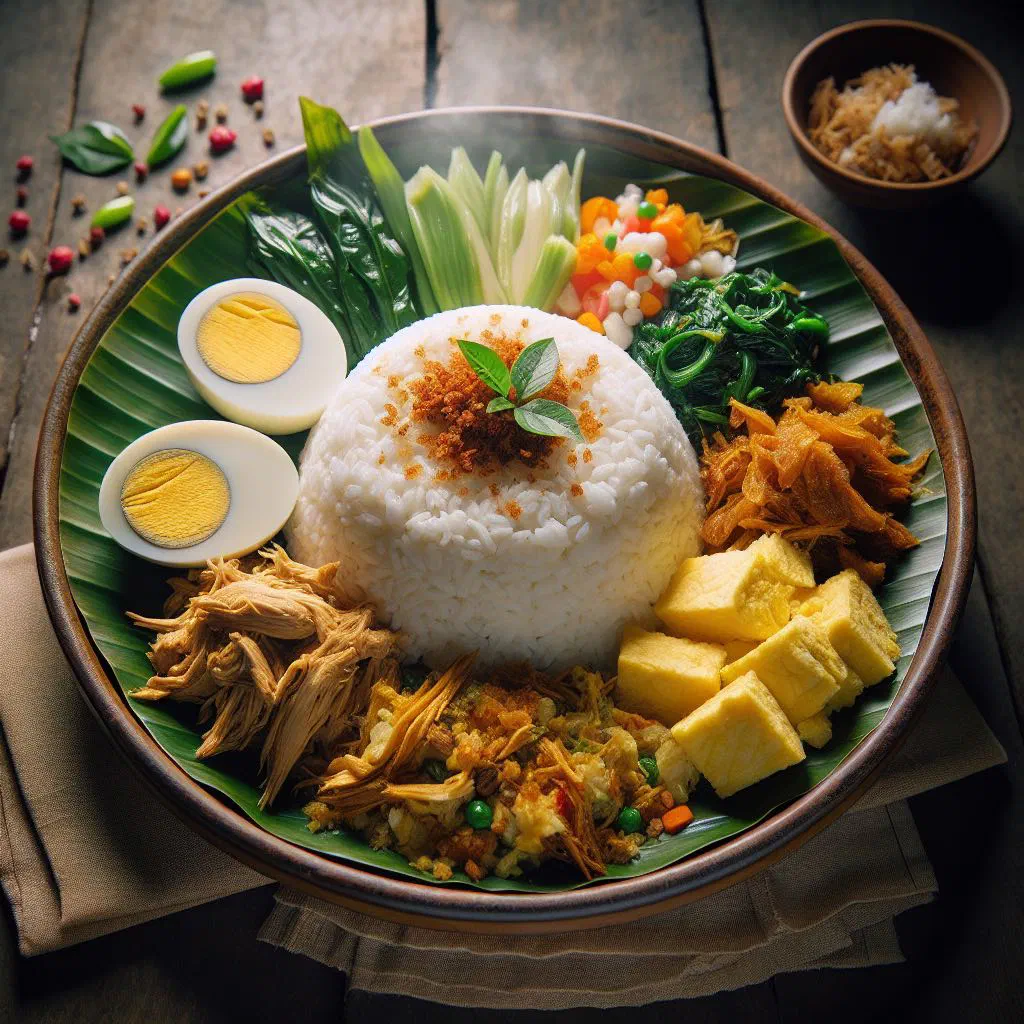
Nasi Liwet is a much-loved national dish of Indonesia and a deliciously aromatic rice dish enjoyed across many regions of the country. It works wonderfully as a main course or as a side, and is often served with an array of accompaniments including vegetables, meat and fish. The flavoursome rice is cooked in a fragrant broth that gives it its unmistakable character. This dish is ideal for celebrations or simply for a tasty dinner shared with family and friends.
Ingredients (serves 1–2)
- 200 g rice
- 400 ml coconut milk
- 1 tsp salt
- 1 tsp turmeric
- 2 kaffir lime leaves
- 1 stalk lemongrass (lightly bruised)
- 1 small onion, chopped
- 2 garlic cloves, crushed
- Cooked chicken or tofu, to serve (optional)
- Fresh vegetables of your choice
Shopping for the ingredients
The ingredients for nasi liwet are easy to find in most Asian or international supermarkets. For the base of the dish you will need good-quality rice and coconut milk, which lends a creamy texture to everything it touches. Special ingredients such as kaffir lime leaves and lemongrass can sometimes be trickier to track down, but they are essential to the authentic flavour. You can also pick fresh vegetables and meat to suit your own preferences and make the dish even more satisfying.
Preparing the dish
To get the best from this dish, it is important to prepare the ingredients carefully. Rinse the rice thoroughly under cold water to remove the excess starch. This helps to avoid a sticky result and keeps the rice light and fluffy. The spices and herbs should also be laid out and ready, so you can add them quickly during cooking.
Step-by-step instructions
- Tip the washed rice into a pan and add the coconut milk, water, salt, turmeric and the kaffir lime leaves.
- Add the lemongrass along with the chopped onion and the crushed garlic.
- Bring everything to the boil, then reduce the heat and let the rice simmer gently for 20 minutes.
- Check the rice regularly and add a splash of water if needed to prevent it catching.
- Once the rice is cooked and the liquid has been absorbed, take it off the heat and let it rest for 5 minutes.
- Serve the nasi liwet on a plate and garnish to taste with fresh vegetables or a protein of your choice.
Gluten-free / lactose-free version
The good news for anyone with a lactose or gluten intolerance is that nasi liwet is naturally gluten-free and lactose-free. Using coconut milk in place of cow’s milk makes this dish suitable for a wide range of diets. Do take care, however, that any extra ingredients you add contain no gluten. That way you can be confident the dish works for every kind of eating habit.
Tips for vegans and vegetarians
Nasi liwet adapts beautifully to the needs of vegans and vegetarians. Instead of chicken or other animal products, you can use tofu or tempeh to make the dish wonderfully protein-rich, much as you would in a hearty bowl of Gado-Gado. The choice of vegetables can vary too, so reach for your favourites to make the dish even more flavoursome. Using vegetable stock instead of water to cook the rice adds an even deeper aroma.
More tips and tricks
A few small touches can improve the flavour of your nasi liwet considerably. Experiment with fragrant herbs or add a pinch of chilli if you like a little heat. Stir the vegetables in only towards the end of cooking to keep them crisp. Covering the pan while it cooks encourages even heat and helps to seal in the aroma.
Adapting the recipe to your taste
Nasi liwet is a flexible dish that is easy to tailor to personal preference. If you like it a little sweeter, you can add a touch of palm sugar, a typical ingredient in Indonesian cooking. For extra texture, scatter over some roasted peanuts or cashews. You can also use a variety of vegetables, so the dish stays appealing not only in flavour but visually too.
Ingredient substitutions
If you do not have certain ingredients to hand, there are plenty of alternatives for this recipe. Instead of coconut milk you can use almond or soya milk, though this will make the dish a little milder. If you have no rice available, quinoa or another grain can serve as a stand-in. Experimenting with these swaps can lead to new and exciting flavours.
Drink pairing ideas
Nasi liwet pairs wonderfully with a range of drinks. A cool, refreshing local Indonesian beer sits perfectly alongside the spices of the dish. Alternatively you could choose a glass of spirits or a refreshing cocktail that complements the flavours. For an alcohol-free option, fresh fruit juices or herbal teas are ideal for rounding off the flavour profile.
Serving and presentation ideas
The presentation of nasi liwet can lift the whole dining experience. Use colourful plates or bowls to serve the dish in an appealing way. Add fresh herbs such as coriander or mint, which look good and boost the aroma. Smaller dishes of sides such as vegetables, salsa or nuts can be added too, creating an interesting and varied spread, in much the same spirit as the bright Urap-Urap.
A bit of history
Nasi liwet has a long and fascinating history, deeply rooted in Indonesian culture. It originally hails from the region of Java, where it was prepared as a dish for festive occasions. It was a symbol of hospitality and prosperity in Javanese culture. Today nasi liwet has gained popularity in other parts of Indonesia too and is a much-loved dish in many restaurants and households, a fine example of Indonesian cuisine.
More recipe ideas
Summary: Nasi Liwet
Nasi liwet is a many-sided and flavoursome dish that reflects the tradition and culture of Indonesia. With its rich coconut milk and aromatic spices, it is a popular choice for both celebrations and everyday meals. The dish offers countless opportunities for adaptation and variation, so everyone can prepare it to suit their own taste. With a few simple steps, you too can enjoy this authentic Indonesian experience in your very own kitchen.