National Dish Indonesia: Pepes Ikan (Recipe)
In this article
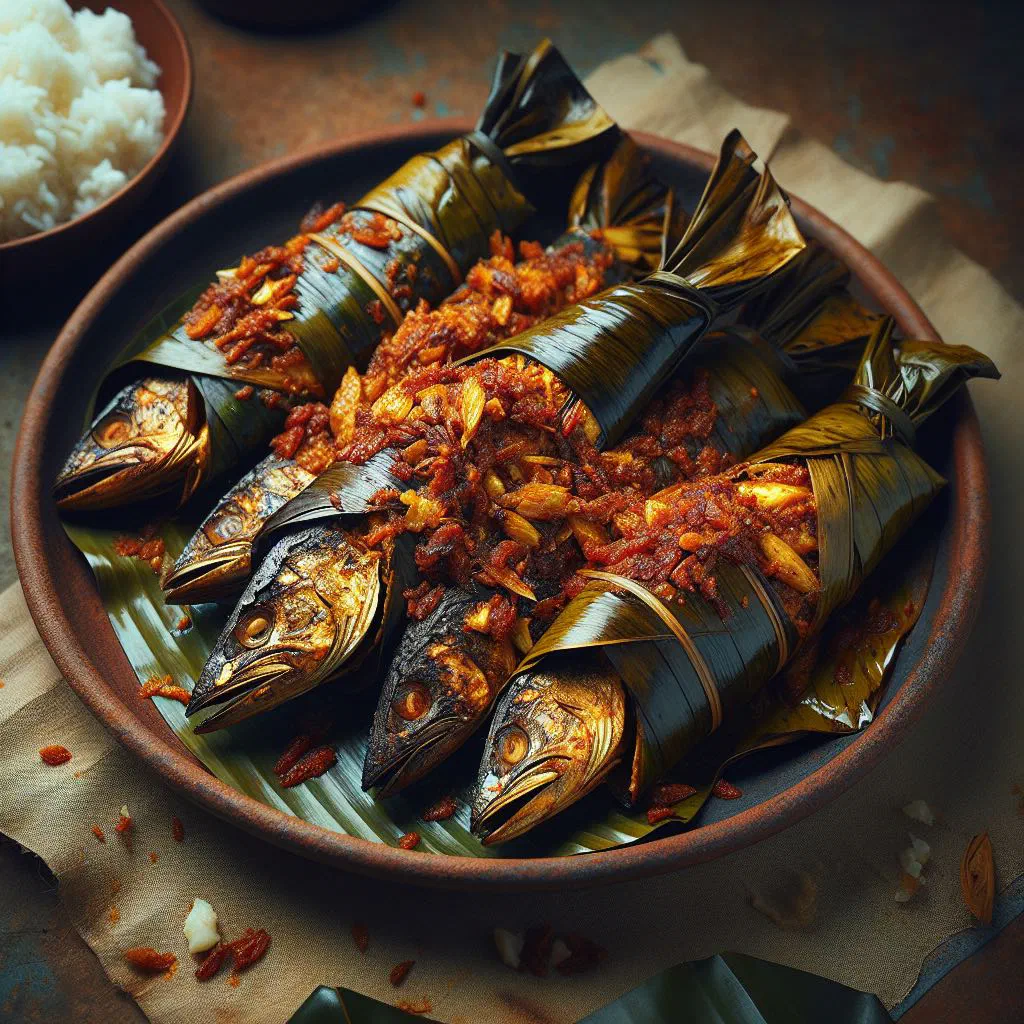
Discover Pepes Ikan, one of Indonesia’s most fragrant and memorable dishes. Tender fish is bathed in a bright paste of fresh herbs and warming spices, then tucked into banana leaves and gently steamed until every aroma blooms. The result is moist, deeply flavoured and steeped in the culinary heritage of West Java. Bring a taste of the Indonesian archipelago straight to your own kitchen.
About Pepes Ikan
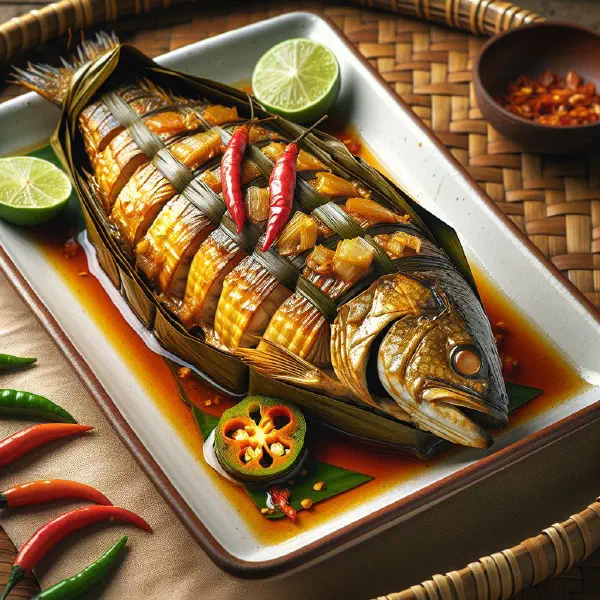
Pepes Ikan is a traditional Indonesian dish that is especially well known in the region of West Java. It originally comes from the Sundanese people, who treasure it as part of their everyday cooking. The main ingredient is fish, which is wrapped in banana leaves and marinated in an aromatic paste of fresh herbs and spices. Cooking is done by steaming, a method that intensifies the flavour and coaxes out the full aroma of every ingredient used.
Ingredients (serves 1–2)
- 300 g fresh fish (e.g. mackerel or tilapia)
- 2 banana leaves
- 3–4 stalks lemongrass
- 2–3 kaffir lime leaves
- 1–2 tablespoons fish sauce
- 2–3 red chillies
- 2 garlic cloves
- 1 teaspoon turmeric
- Salt to taste
Shopping for the ingredients
If you would like to make pepes ikan, it is important to get hold of fresh ingredients. Visit your local Asian grocery to track down more unusual items such as kaffir lime leaves and special spices. Fresh fish can be bought at a market or from a well-stocked supermarket. Take care to choose banana leaves that are fresh and supple, so they are easy to fold and steam without tearing.
Preparing the dish
Preparing pepes ikan begins with the spice paste. Blitz the chillies, garlic, turmeric and a little salt in a food processor or pound them in a mortar until you have a smooth paste. This seasoning is then worked thoroughly into the fish. Slice the lemongrass into small pieces and add it, along with the kaffir lime leaves, to the fish mixture to deepen the flavour.
Step-by-step instructions
- Briefly warm the banana leaves over a flame to make them soft and pliable.
- Place about a third of the fish mixture onto a banana leaf and fold the leaf around the fish.
- Repeat the process with the rest of the fish.
- Arrange the wrapped parcels in a steamer basket and steam over boiling water for around 30 minutes.
- After steaming, carefully open the parcels and serve.
Gluten-free / lactose-free version
Pepes ikan is naturally a gluten-free and lactose-free dish, as it is built on fish and fresh herbs. That said, do make sure that any spices and sauces you use contain no hidden gluten or lactose either. This matters especially if you are sensitive to these ingredients. With the right choices, you can be confident that your dish is suitable for everyone at the table.
Tips for vegans and vegetarians
If you are after a vegan or vegetarian version, you can replace the fish with tofu or vegetables. There are special marinades designed to mimic the flavour of seafood, which work well for seasoning tofu. Wrap the vegetable or tofu portions in banana leaves in exactly the same way and steam them. Vegan pepes delivers the same aromatic flavours that define the traditional dish, and it is every bit as delicious.
More tips and tricks
To intensify the flavour of pepes ikan, leave the marinated fish in the fridge overnight. This draws the aromas deeper into the fish and makes for an incomparable eating experience. Also make sure the water in your steamer is at a rolling boil before you add the parcels, so the steam circulates evenly and quickly. Experiment with different fish and herbs to create your very own version.
Adapting the recipe to your taste
Everyone has a different preference when it comes to spice. If you like more heat, simply add a few more chillies or stir a hot chilli sauce into the marinade. If you prefer something milder, reduce the number of chillies or leave them out altogether. The beauty of pepes ikan is just how easily it bends to suit individual tastes.
Ingredient substitutions
Sometimes it can be tricky to find every traditional ingredient for pepes ikan. If you cannot get banana leaves, for example, you can use aluminium foil instead, although it will not deliver quite the same authentic flavour. In place of fish you can also use other seafood such as prawns or squid, the same seafood-forward spirit you will find in Ikan Bakar. Stay flexible with the spices and make the most of whatever you have to hand.
Drink pairing ideas
Fresh drinks pair particularly well with pepes ikan, such as a cold Indonesian beer or a refreshing iced tea. A lime-flavoured soda or a fruit juice like pineapple or mango also harmonises beautifully with the spicy notes of the dish. If you would rather skip the alcohol, a cold-brewed tea is a perfect choice for balancing the flavours, much like the cooling sweetness of Cendol.
Serving and presentation ideas
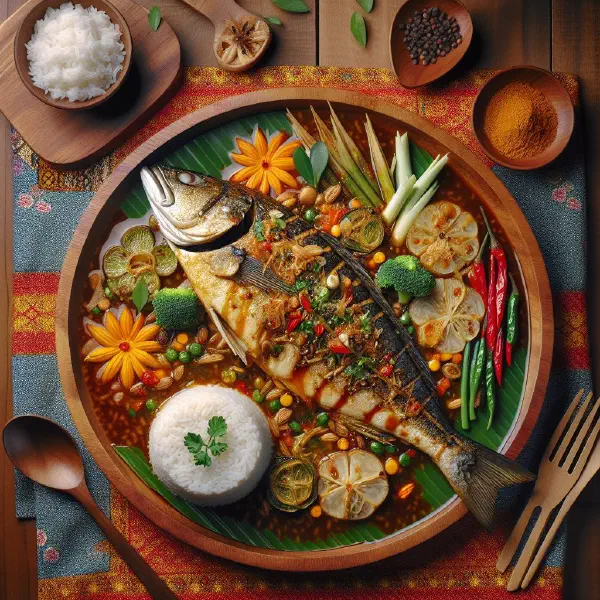
Presenting pepes ikan is just as important as cooking it. Serve the dish still in its banana leaves, or on an attractive plate with fresh herbs and lemon wedges. A colourful side of steamed vegetables or a rice dish rounds the whole thing off. Thoughtful decoration and careful presentation can lift the dining experience enormously, in the same generous spirit as a platter of Gado-Gado.
A bit of history
Pepes ikan has deeply rooted traditions in Indonesian cuisine. The technique of steaming and wrapping food in leaves has been practised in the region for centuries and reflects the practical, creative side of Indonesian cooking. The use of banana leaves grew out of the need to rely on cheap, readily available materials in the kitchen. The dish is delicious and an important part of Indonesia’s culture and culinary identity, sitting proudly within the wider world of Indonesian cuisine.
More recipe ideas
Summary: Pepes Ikan
Pepes ikan is a captivating dish that appeals to in both the making and the eating. With its combination of fresh fish and a wealth of spices, it unfolds an incomparable aroma. It is a tour you really should not miss. Give this dish a go and let the variety and flavours of Indonesian cuisine take you by surprise.