National Dish Indonesia: Rendang (Recipe)
In this article
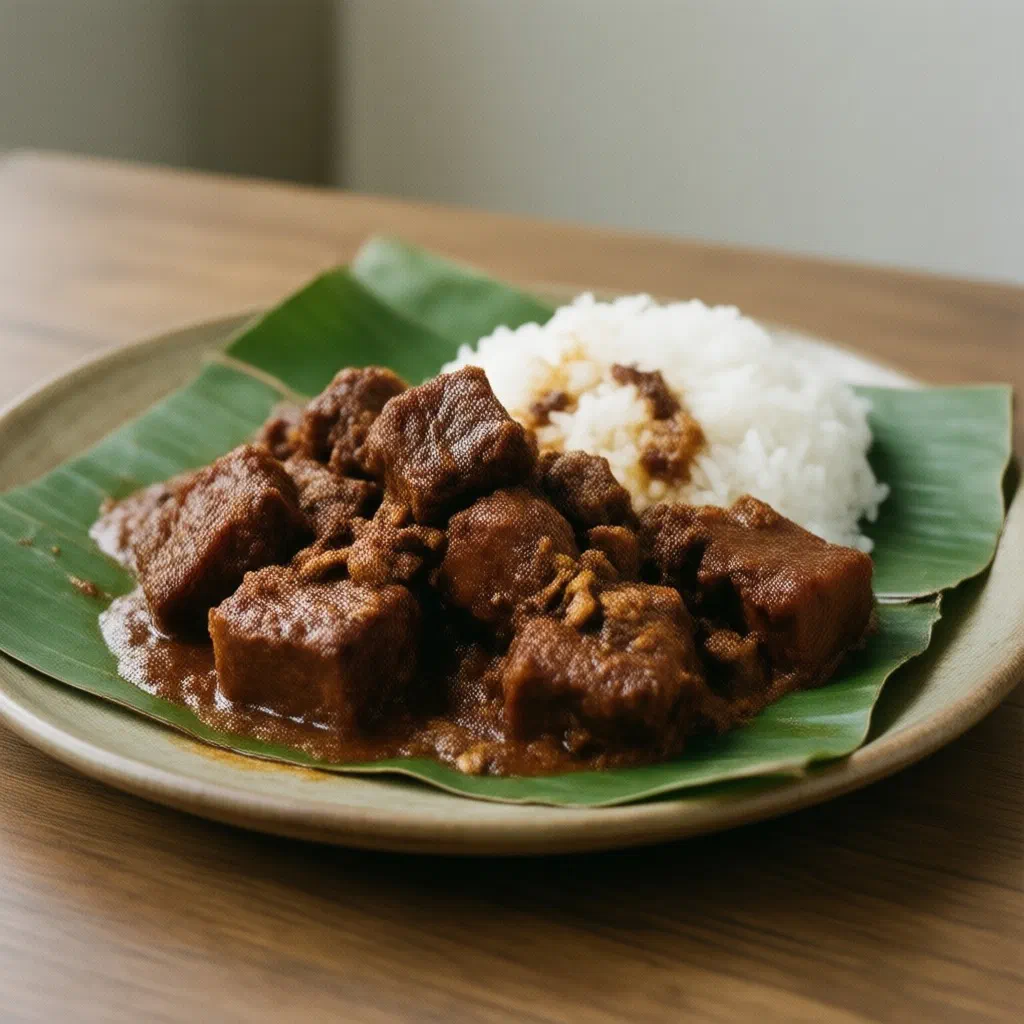
Step into the warm, aromatic world of Indonesian cooking with Rendang, a dish so beloved it is often called one of the most delicious in the world. Tender chunks of beef are slowly braised in coconut milk and a fragrant tangle of spices until the sauce caramelises into something deep, dark and memorable. Patience is the secret here: hours of gentle simmering reward you with intense, layered flavour. Bring the soul of West Sumatra straight to your own kitchen.
About Rendang
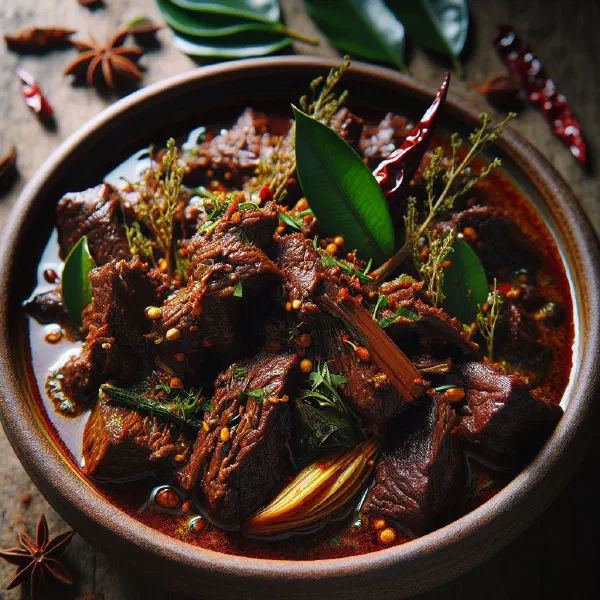
Rendang is a traditional Indonesian dish that traces its roots to the Minangkabau culture of West Sumatra. It is a glorious beef dish, slow-braised in coconut milk with a carefully balanced blend of aromatic spices. The long cooking time and distinctive method are what make rendang so special, the liquid gradually reduces and the meat takes on a rich, concentrated flavour. The result is a unique and deeply satisfying culinary experience that few other dishes can match.
Ingredients (serves 1–2)
- 300g beef (preferably shoulder or shin)
- 200ml coconut milk
- 1 stalk lemongrass, bruised
- 2–3 kaffir lime leaves
- 2cm piece of ginger, grated
- 3 garlic cloves, chopped
- 2 shallots, chopped
- 1 tsp ground turmeric
- 2 tsp ground coriander
- 1 tsp ground cumin
- 1 tsp chilli powder (to taste)
- Salt and sugar, to taste
- Vegetable oil, for frying
Shopping for the ingredients
Most of the ingredients you need for rendang are available in well-stocked supermarkets or Asian grocery stores. Look out for fresh, good-quality produce to get the very best flavour from the finished dish. The fresh aromatics, lemongrass, kaffir lime leaves and ginger, make a real difference, so seek them out where you can. Many of the dried spices keep well, so it is worth stocking up if you plan to cook Indonesian food often.
Preparing the dish
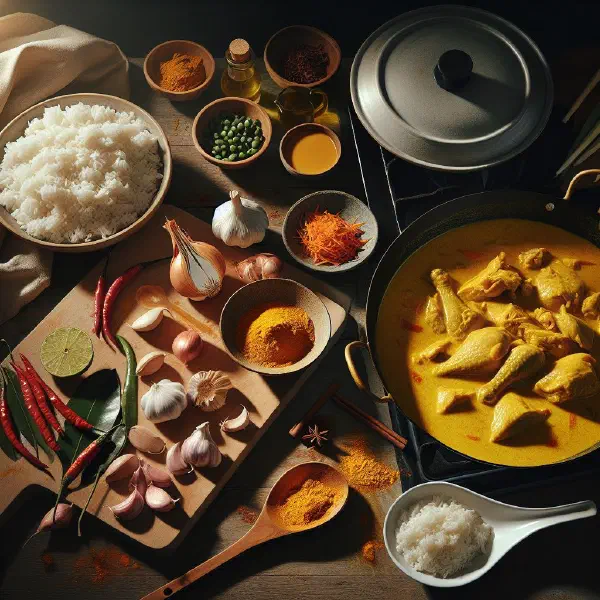
Before you start cooking, cut the beef into roughly 3cm cubes so it braises evenly. Bruise the lemongrass stalk by crushing it lightly to release its fragrant oils, and get your spice mix ready to hand. Peel and chop the garlic and shallots, and grate the ginger. A little groundwork like this keeps the cooking relaxed and lets the dish come together smoothly over its long simmer.
Step-by-step instructions
- Heat a little vegetable oil in a large pan over medium heat.
- Add the chopped shallots, garlic and ginger and fry until fragrant and golden.
- Add the beef and brown it on all sides until lightly coloured.
- Stir in the turmeric, coriander, cumin and chilli powder, coating the meat well in the spices.
- Pour in the coconut milk and bring everything to the boil.
- Add the bruised lemongrass stalk and the kaffir lime leaves.
- Reduce the heat and let the rendang simmer gently until the meat is tender and the sauce has thickened — this can take 2–3 hours. Stir occasionally so nothing catches on the base of the pan.
- Season to taste with salt and sugar, adjusting the spice to your liking.
- Remove the lemongrass and lime leaves before serving.
- Serve the rendang hot with steamed rice or lontong (compressed rice cakes).
Gluten-free / lactose-free version
Rendang is naturally gluten-free and lactose-free, which makes it a brilliant choice for guests with dietary needs. The rich sauce gets its creaminess from coconut milk rather than dairy, so there is no need to swap anything out. Just double-check any ready-made spice blends or stock for hidden gluten or additives. With its wholesome list of fresh ingredients, this is a dish almost everyone can enjoy.
Tips for vegans and vegetarians
For a vegan or vegetarian rendang, replace the beef with tofu, tempeh or jackfruit. Jackfruit in particular brings a wonderfully meaty texture and soaks up the spices beautifully, much like the protein in a hearty Tempe Bacem. Use a plant-based coconut milk to keep everything fully vegan, and take care to check that your spice blends contain no animal products. Fresh aromatics remain key to an authentic flavour.
More tips and tricks
The quality of your ingredients is what makes a truly authentic rendang. Use fresh spices and good coconut milk for the best possible result. For a more traditional note, try galangal in place of, or alongside, the ginger. It lends a brighter, more resinous fragrance. Above all, do not rush the simmer: the longer and slower it cooks, the deeper and darker the flavour becomes.
Adapting the recipe to your taste
Rendang is easy to tailor to your own preferences. If you like things fiery, add more chilli powder to build the heat. For a milder version, hold back on the spices and let the gentle sweetness of the coconut come through. You can also adjust the balance of salt and sugar to find the savoury-sweet harmony that suits you best, just as you might with a comforting bowl of Opor Ayam.
Ingredient substitutions
If a few ingredients are hard to find, there are reliable alternatives. Lemongrass can be stood in for with a little lemon zest, and kaffir lime leaves with ordinary lime leaves or even a touch of lime zest. Shin or shoulder beef gives the best texture, but other slow-cooking cuts will work too. These swaps let you adapt the recipe to whatever your kitchen and local market can offer.
Drink pairing ideas
Light, refreshing drinks pair beautifully with the richness of rendang. A chilled white wine, a crisp light beer or a glass of cooling iced tea all balance the dish nicely. Coconut water is another excellent match, echoing the coconut in the sauce while cleansing the palate. For something sweeter alongside the meal, a glass of Cendol makes a very cooling contrast.
Serving and presentation ideas
Serve the rendang on an attractive plate, garnished with fresh herbs such as coriander or Thai basil. A scattering of toasted coconut flakes over the top adds an exotic, nutty finish and a pleasing texture. Steamed rice or lontong on the side soaks up the wonderful sauce, while a few sliced chillies add a splash of colour. Arranged generously, it makes an inviting centrepiece for any table.
A bit of history
Rendang has its origins in the Minangkabau culture of West Sumatra, where it is traditionally served at festive and ceremonial occasions. Its long shelf life once made it the perfect provision for the travelling Minangkabau people, keeping well on long journeys. Today rendang is a proud symbol of the rich culinary heritage of Indonesian cuisine, celebrated far beyond its homeland.
More recipe ideas
Summary: Rendang
Rendang is a gloriously aromatic dish that rewards patience with extraordinary depth of flavour. Its long, slow cooking and the careful choice of fresh spices and coconut milk set it apart as something truly special. With this recipe and its many tips and variations, you can create an authentic and memorable meal that captures the rich flavours of Indonesia. Enjoy the cooking, and savour every bite.