National Dish Indonesia: Serabi (Recipe)
In this article
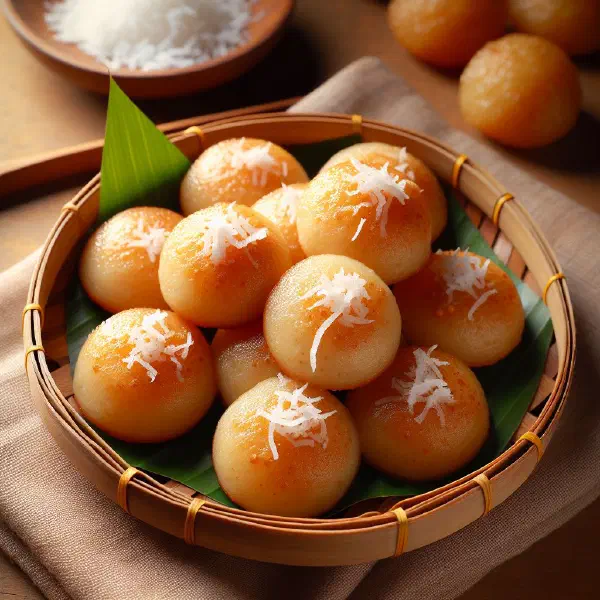
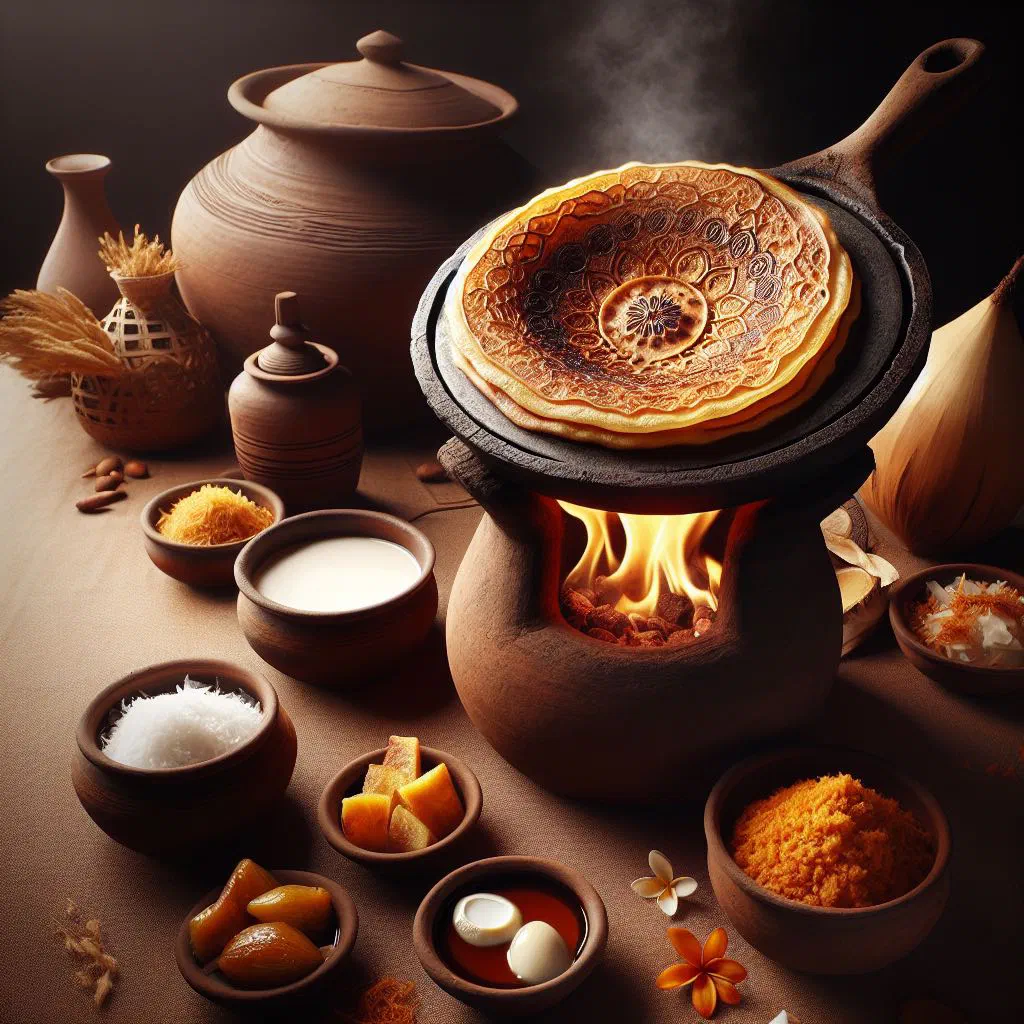
Discover Serabi, one of Indonesia’s most charming sweet treats. These little pancakes are made from a simple batter of rice flour and coconut milk, giving them a tender crumb and a gentle, fragrant sweetness. Sold by street vendors across the archipelago and just as welcome at home, they can be served plain or dressed up with syrup and fresh fruit. Easy to make and endlessly adaptable, they bring a taste of exotic indulgence to any table.
About Serabi
Serabi are traditional Indonesian pancakes prepared from a special mixture of rice flour and coconut milk. These little appeals to are hugely popular not only in Indonesia but increasingly around the world. Their delicate, lightly sweet flavour makes them an ideal snack for any occasion. Serabi can be served either sweet or savoury, and they are a real highlight at any celebration.
Ingredients (serves 1–2)
- 100 g rice flour
- 200 ml coconut milk
- 50 g sugar
- 1 tsp baking powder
- A pinch of salt
- 1 tsp vanilla extract (optional)
Shopping for the ingredients
To make serabi you need ingredients that are available in most supermarkets or Asian grocery shops. Rice flour and coconut milk are the two main ingredients that give these pancakes their distinctive flavour. If you would like to prepare a gluten-free version, be sure to use gluten-free rice flour. The sugar can be adjusted to taste so you can vary the sweetness to suit yourself.
Preparing the dish
Before you start cooking, make sure all your ingredients are well combined. Measure the quantities carefully to get the best possible result. It is important to stir the coconut milk thoroughly so that it blends smoothly with the rice flour. A little thought given to presentation also ensures that the serabi look as appealing as they taste.
Step-by-step instructions
- In a bowl, mix the rice flour, sugar, baking powder and salt together thoroughly.
- Slowly add the coconut milk and the vanilla extract, stirring well until you have a smooth batter.
- Heat a non-stick pan over medium heat and add a small ladleful of batter.
- Fry the serabi for about 3–4 minutes on each side until golden brown.
- Serve warm, either plain or with sugar syrup and fresh fruit.
Gluten-free / lactose-free version
Serabi are naturally a gluten-free dish, since they are made with rice flour. For a lactose-free version, simply use lactose-free coconut milk, which means people with a lactose intolerance can enjoy these delicious pancakes too. Do take care to check that all the other ingredients are suitable as well.
Tips for vegans and vegetarians
Most of the ingredients for serabi are already vegan, as long as you choose sugar from a plant-based source. If you would like to add extra flavour, you can fold some diced fruit or a little vegan chocolate into the batter. As an alternative to traditional syrups, agave nectar or maple syrup also pair beautifully. Experiment with different toppings to vary the taste and enjoy a wide range of options.
More tips and tricks
One important tip when making serabi is to heat the pan well so the pancakes cook evenly. To make the serabi fluffier, you can also add an egg to the batter if that suits you. Instead of using water to thin the coconut milk, try a fresh coconut drink to intensify the flavour. Enjoy experimenting with different textures and aromas.
Adapting the recipe to your taste
You can easily adapt the serabi recipe to suit your own palate. Add a little mixed spice or cinnamon, for example, to give it a warm, spiced note. If you prefer something fruity, work some mashed banana or mango into the batter. This recipe is very flexible and the scope for variation is huge, so everyone can create their own perfect version of serabi.
Ingredient substitutions
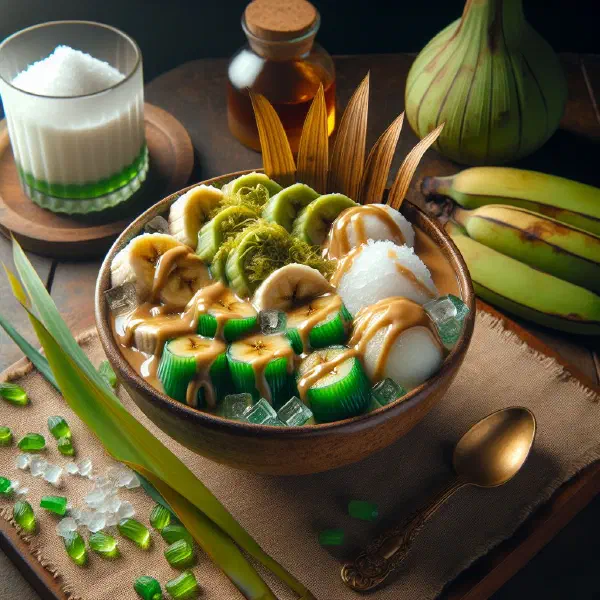
If you do not have coconut milk to hand, you can also use almond drink or soy milk, though the difference in flavour may be noticeable. For a sweeter version, honey or agave nectar can stand in for sugar. The choice of fruit toppings is wonderfully varied too; experiment with seasonal fruit such as apple, pear or berries, much like the fresh-fruit spirit you will find in Es Pisang Ijo. This gives you different flavours and aromas that refine the serabi.
Drink pairing ideas
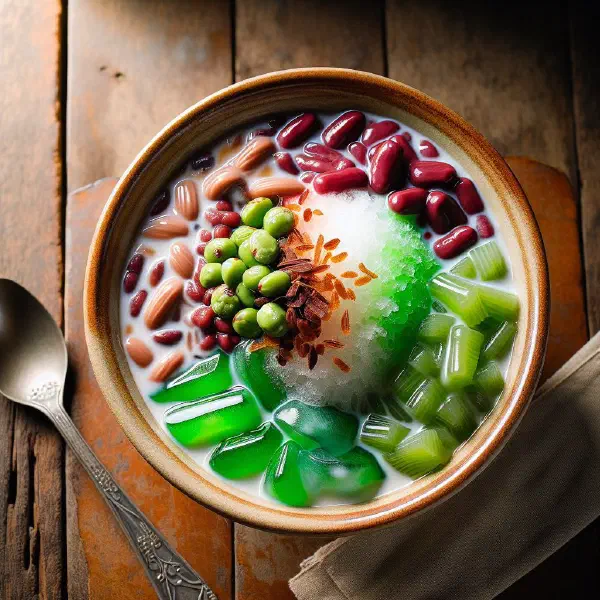
A range of drinks goes beautifully with serabi. A fresh coconut drink complements the flavours of the pancakes perfectly. For something special, you could prepare a fruity smoothie to underline the sweetness of the serabi. A green tea or a coffee are popular partners too, rounding off the meal and complementing the flavours wonderfully, and a chilled glass of Cendol makes an indulgent dessert-style accompaniment.
Serving and presentation ideas
Presentation plays an important part in making a dish look appetising. Serve the serabi on an attractive plate and garnish them with fresh fruit, mint or a swirl of cream. Use colourful napkins and tasteful decoration to make the dish stand out. This visual appeal adds a great deal to the overall enjoyment.
A bit of history
The roots of serabi lie in Indonesian cuisine, where they are well known as a popular street food. Originally prepared and sold by street vendors, they have developed over time into a traditional dish that takes on different variations across the various regions of Indonesia. Their particular ingredients and methods of preparation reflect the country’s rich culinary traditions, much as you find in classics like Martabak Manis and Kue Cubit. Serabi are a symbol of the diversity and richness of Indonesian cuisine.
More recipe ideas
Summary: Serabi
Serabi are a versatile and delicious snack from Indonesian cuisine, easy to make and wonderfully adaptable to personal taste. Whether sweet or savoury, these little pancakes are a treat for every palate. With fresh ingredients and creative presentation, serabi become a highlight in any kitchen. Give them a try and enjoy this exotic taste experience.