National Dish Ireland: Blaa with Butter (Recipe)
In this article
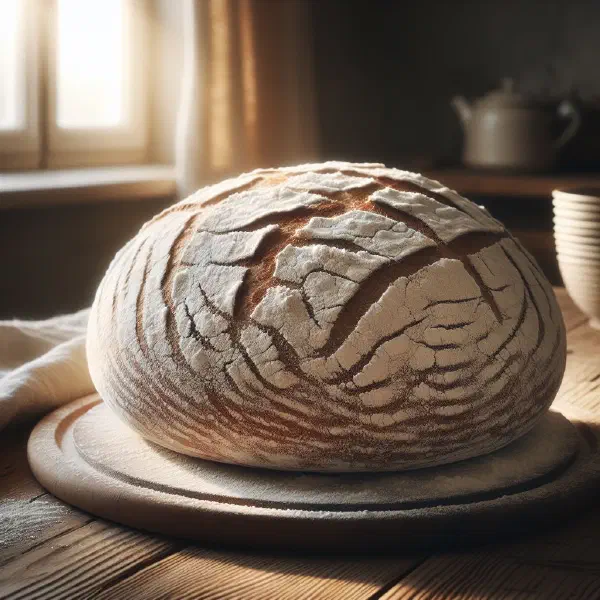
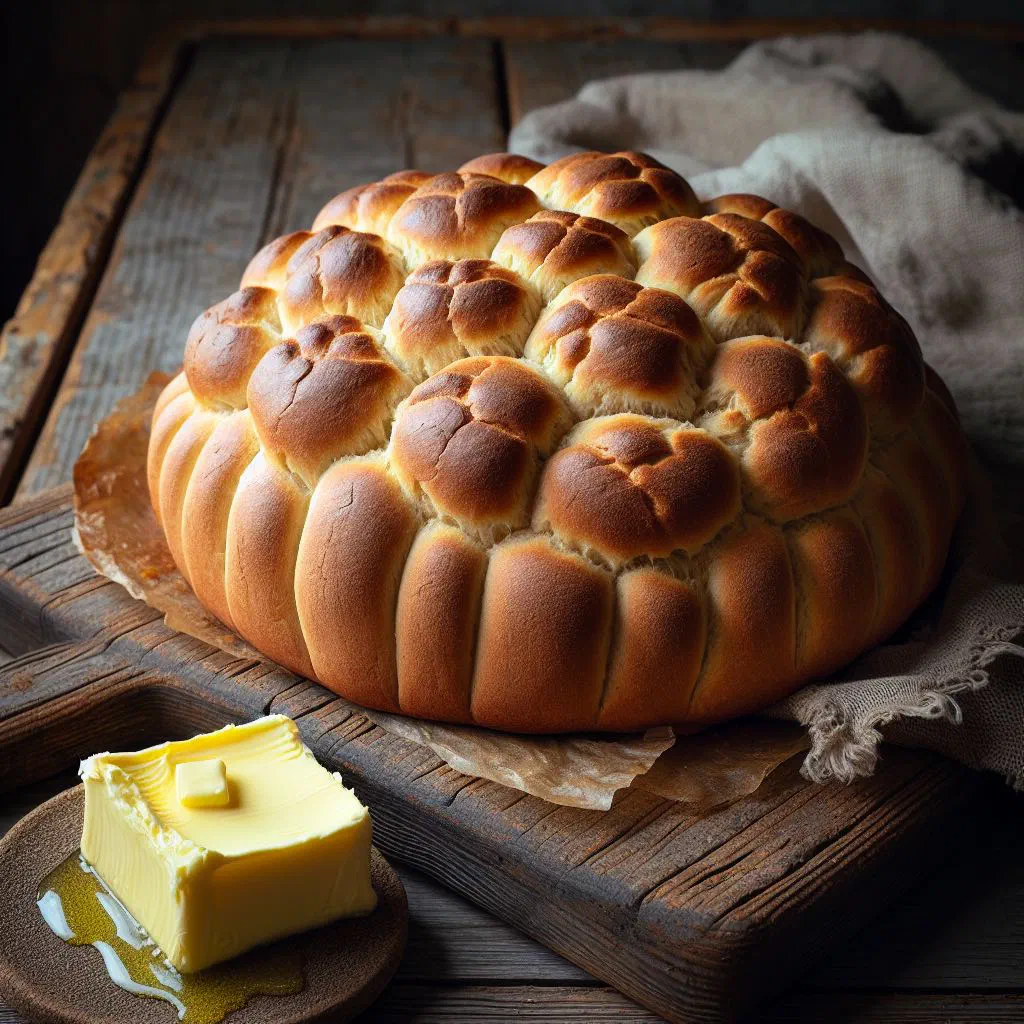
Meet the blaa, a soft, pillowy bread roll that has been a breakfast favourite around Waterford for generations. Dusted with a fine cloud of flour and prized for its tender, delicate crust, the blaa is everyday Irish comfort baking at its best. Split one open while it is still warm, slather it with creamy butter, and you have a simple pleasure that speaks volumes about Ireland’s love of honest, fuss-free food. This recipe brings that bakery-fresh taste straight to your own kitchen.
About Blaa with Butter
The blaa is a traditional Irish bread roll that is especially beloved in the Waterford region. These fluffy, soft rolls have a wonderfully light texture and are known for their fine, delicate crust. In years gone by they were often served at breakfast or simply enjoyed as a tasty snack throughout the day. Tucking into a freshly baked blaa spread with a little creamy butter is a real treat, and one that highlights the deep cultural connection these rolls have to Ireland’s culinary heritage.
Ingredients (serves 1–2)
- 250 g plain wheat flour
- 1 teaspoon dried yeast
- 1 teaspoon sugar
- 1 teaspoon salt
- 150 ml lukewarm water
- 1 tablespoon olive oil
- Flour, for rolling out
Shopping for the ingredients
To make a good batch of blaas you only need fresh, everyday ingredients that are easy to find in any local supermarket or health-food shop. Try to choose good-quality wheat flour, as it can make all the difference to both the flavour and the texture. Make sure your dried yeast is well within date so the dough proves properly and the rolls turn out light and fluffy. Alongside the main ingredients, you can also reach for alternative fats if you fancy a little variety.
Preparing the dish
Before you start, it is worth measuring out all the ingredients and getting everything to hand so the bake runs smoothly. Weighing the flour and preparing the liquids in advance helps you avoid missing any important steps. Many home bakers find it useful to lay out all their equipment, such as bowls and baking trays, before they begin. A generously floured work surface is also a good idea, as it stops the dough from sticking.
Step-by-step instructions
- Tip the wheat flour into a large bowl and add the dried yeast, sugar and salt.
- Pour in the lukewarm water and olive oil, then mix everything together well.
- Knead the dough on a floured surface for about 5–10 minutes, until it is smooth and elastic.
- Place the dough in a lightly oiled bowl, cover with a cloth and leave to prove in a warm spot for 1 hour.
- Turn the risen dough onto a floured surface, divide it into portions and shape each one into a round.
- Set the shaped rolls on a lined baking tray and leave them to prove again for 30 minutes.
- Bake in a preheated oven at 220°C for around 15–20 minutes, until the rolls are golden brown.
Gluten-free / lactose-free version
Making blaas without gluten is perfectly achievable by using gluten-free flour in place of wheat flour. Many gluten-free blends can be used as a straight 1:1 swap, though the texture may vary a little. For a lactose-free bake, simply use lactose-free milk or a plant-based alternative to adapt the recipe. It is worth keeping an eye on the baking time, as gluten-free doughs can react to heat differently from a standard one.
Tips for vegans and vegetarians
For a vegan version of the blaas, you can replace the butter with plant-based margarine or oils. You can also use plant-based milk, such as almond or soya drink, to achieve an equally delicious result. Do check that your yeast is vegan, although most shop-bought yeast products are suitable as standard. A little extra seasoning of herbs and spices can be added to deepen the flavour of the dough.
More tips and tricks
A few extra pointers can make your blaas even more delicious. Experiment with the proving time, as a longer prove can bring out a more pronounced, developed flavour. Baking in different fillings, such as cheese or dried fruit, is a great way to ring the changes. A glaze of butter and garlic can boost the aroma of the finished rolls and lend them a special touch, much like the buttery crumb of a Hazelnut Brown Bread.
Adapting the recipe to your taste
The classic blaa recipe can be tweaked to suit personal preference at any time. Add different herbs or spices, for example, to create an interesting flavour note. The sweetness can be adjusted too, perhaps by working a little honey or beet syrup into the dough. A combination of different flours can also give a new texture that makes your blaas truly your own.
Ingredient substitutions
Sometimes you won’t have every ingredient to hand, which is where a few substitutions come in handy. Instead of wheat flour you can use spelt flour, which has a similar consistency and rises well too. For a special kick, you might also stir an herb mix through the dough. In place of water you could use stock to give the dough a little more flavour, in the same comforting spirit as a Raisin Soda Bread.
Drink pairing ideas
A whole range of drinks pairs beautifully with warm blaas and rounds out their flavour. A soothing herbal tea or a freshly brewed coffee complements the lightness of the rolls perfectly. For a more celebratory occasion you could serve a sparkling wine, whose lively bubbles underline the delicate crumb of the bread. A sweet hot chocolate makes a lovely accompaniment for younger guests.
Serving and presentation ideas
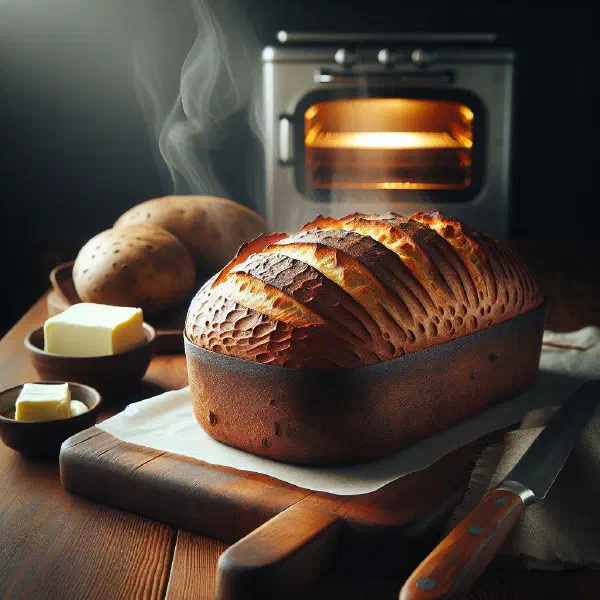
How you present your blaas can really lift the whole experience. Serve the rolls warm and dress the plate with fresh herbs or a small dish of butter. A rustic wooden board can create a cosy atmosphere and emphasise that homemade touch. For a special gathering, smaller portions can be arranged in individual baskets or on attractive plates.
A bit of history
The blaa has a long tradition in Ireland, particularly in the Waterford region, where it was first recorded in the 17th century. It grew out of the need among local people to make simple, nourishing meals. Historically these rolls were intended for working folk and offered the perfect base for all manner of toppings, a thread of hearty, practical cooking you also find in Bacon and Cabbage. The blaa has evolved over the years and remains a much-loved part of Irish cuisine to this day.
More recipe ideas
- Oatmeal Soda Bread — a simple, quick bread made without yeast.
- Colcannon — a classic potato dish with cabbage and greens.
- Irish Steak and Ale Pie — a hearty pie braised with Irish ale.
- Irish Lamb Pie — a flavoursome bake of lamb and vegetables.
Summary: Blaa with Butter
The blaa brings together traditional Irish baking and modern cooking, and it is hugely popular not only with visitors but with locals too. With its soft dough and remarkable versatility, it is a perfect partner for all sorts of dishes. Whether at breakfast, as a snack or as a side, these rolls are a genuine treat. Give the recipe a try and bring a little piece of Ireland into your own kitchen.