National Dish Ireland: Brown Bread (Recipe)
In this article
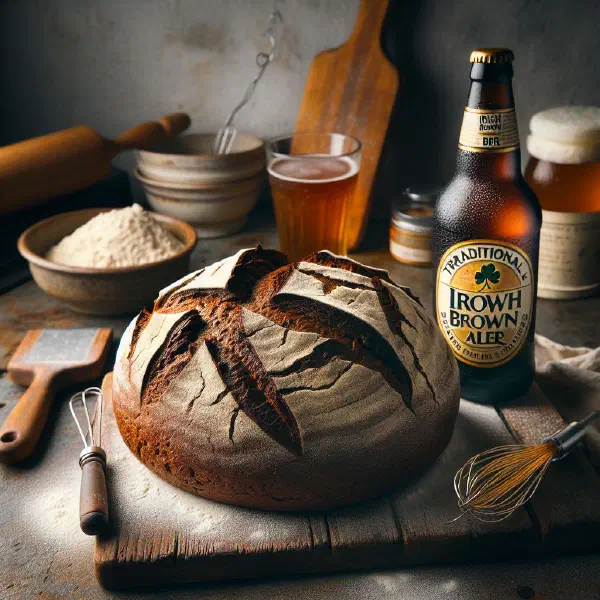
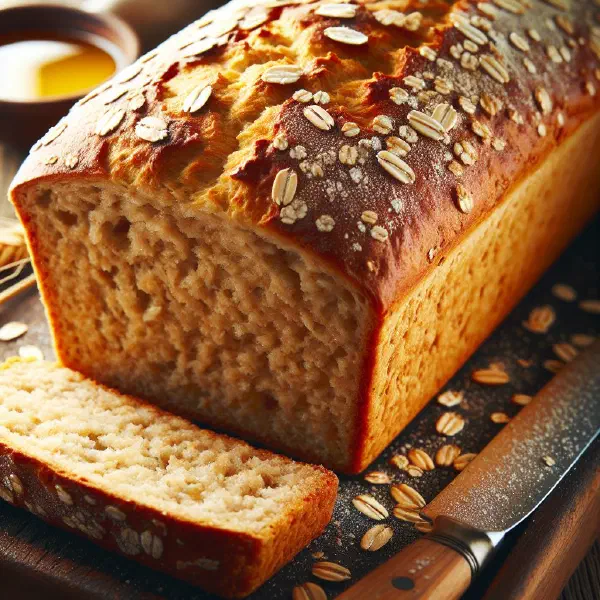
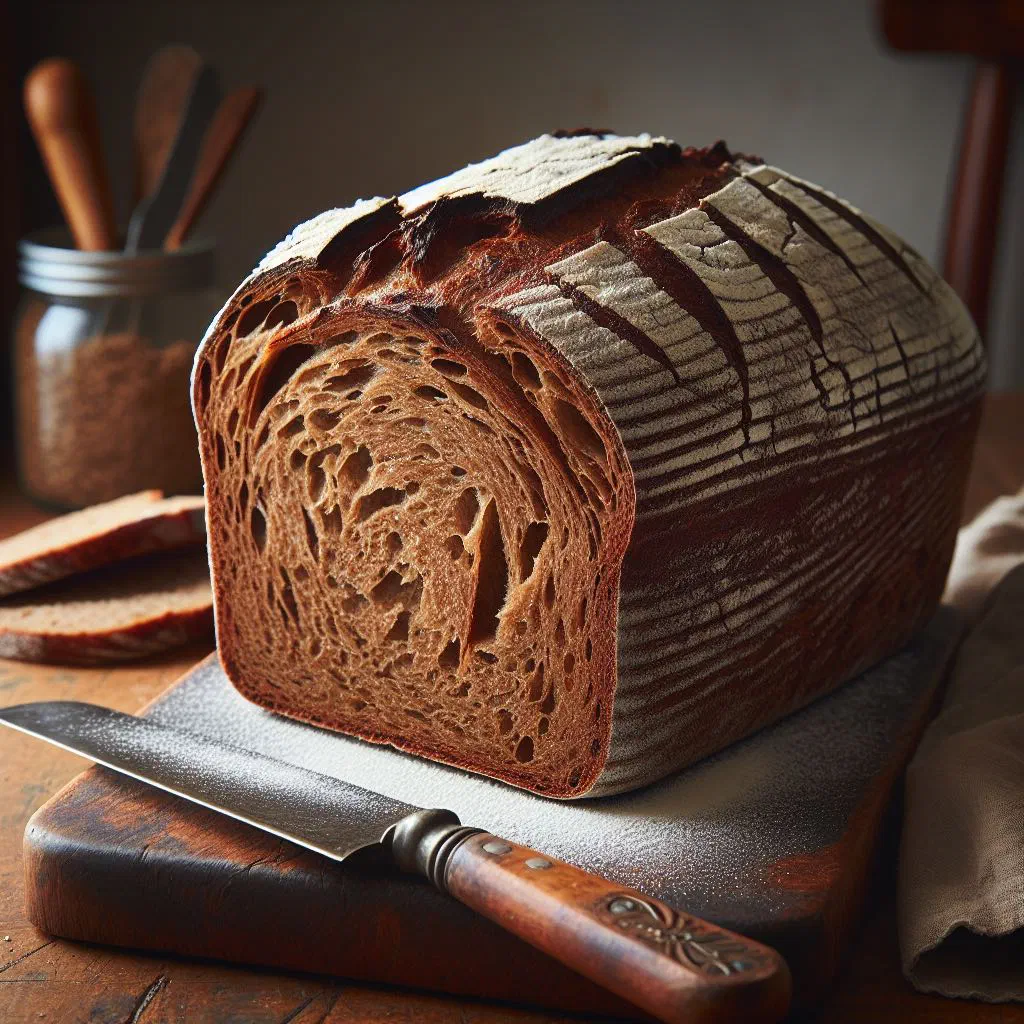
There is something deeply comforting about a freshly baked loaf of Irish brown bread, its crust crackling as it cools and its crumb wholesome and nutty. Made with hearty wholemeal flour and tangy buttermilk, this rustic loaf has nourished Irish kitchens for generations. It needs no yeast and no fuss. Just a handful of honest ingredients and a hot oven. Whether spread thickly with butter at breakfast or torn alongside a steaming bowl of stew, it brings a real taste of Ireland to your table.
About Brown Bread
Irish brown bread has a long tradition and is very much a piece of Irish culture. This hearty loaf is usually made with wholemeal flour and buttermilk, which give it both its characteristic flavour and a genuinely nourishing base. The bread has a rustic texture and a gently nutty taste that make it an ideal partner for all sorts of dishes. Whether spread with butter and jam at breakfast or served alongside a warming stew, Irish brown bread is wonderfully versatile and much loved.
Ingredients (serves 1–2)
- 250g wholemeal flour
- 50g rolled oats
- 1 tsp baking powder
- ½ tsp salt
- 300ml buttermilk
- 2 tbsp honey or brown sugar (optional)
Shopping for the ingredients
The ingredients for Irish brown bread are available in most supermarkets. Be sure to choose fresh wholemeal flour to achieve the best aroma and an ideal texture. The buttermilk can be replaced with ordinary milk if buttermilk is not to hand, though this may alter the taste slightly. Rolled oats, meanwhile, are an excellent source of fibre and deepen the nutty character of the loaf. For a brighter cuisine spread, this bread sits happily beside other classics of Irish cuisine.
Preparing the dish
Before you begin, preheat the oven to 200°C. Prepare a baking tin or tray by greasing it lightly or lining it with baking parchment, which makes lifting out the loaf much easier once it is baked. It also helps to measure out all your ingredients in advance so that the baking process runs smoothly from start to finish.
Step-by-step instructions
- In a large bowl, combine the wholemeal flour, rolled oats, baking powder and salt.
- In a separate bowl, mix the buttermilk thoroughly with the honey or sugar.
- Add the liquid to the dry ingredients and stir until a sticky dough forms.
- Turn the dough out onto a lightly floured surface and knead gently until it holds together (do not overwork it).
- Shape the dough into a round loaf and place it on the baking tray.
- Score the top of the loaf with a sharp knife and bake in the preheated oven for about 30–40 minutes, until golden brown and hollow-sounding when tapped.
- Leave the bread to cool on a wire rack before slicing.
Gluten-free / lactose-free version
To make Irish brown bread gluten-free, you can swap the wholemeal flour for a gluten-free flour blend suitable for bread. Instead of buttermilk, use a plant-based alternative such as almond or soya milk soured with a little vinegar or lemon juice to mimic the acidity. This keeps the flavour of the bread intact while remaining gluten-free. Take care to combine the ingredients well for the best possible result.
Tips for vegans and vegetarians
For a vegan version of Irish brown bread, replace the honey with maple syrup or another plant-based sweetener. It is also important to use a plant-based buttermilk alternative that works well with the dry ingredients. Choose your ingredients carefully to preserve the typical taste of the traditional loaf as closely as possible. That way, vegans and vegetarians alike can enjoy this delicious bread without compromising on their dietary needs.
More tips and tricks
For the best results when baking Irish brown bread, it is worth using your ingredients at room temperature. Scoring the loaf before baking also helps form a lovely crust. Experiment with different seeds or nuts to lend the bread extra flavour and texture, much as you would in a Hazelnut Brown Bread. Take care not to overwork the dough, so the texture stays beautifully rustic and light.
Adapting the recipe to your taste
The recipe for Irish brown bread is highly adaptable. You might use different types of flour to vary the flavour, for instance. Adding dried fruit or herbs can introduce interesting new notes too, as in a Raisin Soda Bread. There are no limits to your imagination, so you can shape the bread entirely to your own taste by drawing on personal preferences and seasonal ingredients.
Ingredient substitutions
If you have no buttermilk to hand, a mixture of ordinary milk and yoghurt will give you a similar consistency. Wholemeal flour can also be replaced with spelt or rye flour to change both the flavour and the nutritional density. If you would rather leave out the sugar, ripe banana or apple purée make good natural sweeteners. Substitutions like these let you keep the recipe flexible and full of variety, a good habit when baking a Cranberry and Walnut Soda Bread too.
Drink pairing ideas
Plenty of drinks pair beautifully with the hearty flavour of Irish brown bread. A cup of freshly brewed black tea is a classic match that complements the loaf perfectly. A robust Guinness or another dark beer also harmonises wonderfully with its rustic aroma. For a non-alcoholic option, fresh juices or sparkling mineral water with lemon make ideal companions that bring out the flavour of the bread.
Serving and presentation ideas
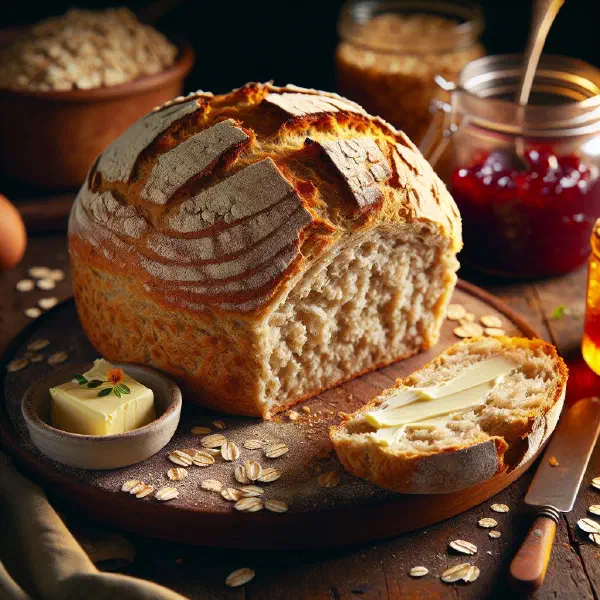
To present Irish brown bread attractively, serve it on a rustic wooden board. A pretty dish of butter or jam alongside completes the picture. Arranging a few fresh herbs or edible flowers as a garnish adds to its appeal too. A little creativity in the presentation can lift the whole eating experience and invite everyone to tear off a piece straight from the middle.
A bit of history
Irish brown bread has its origins in the rural regions of Ireland, where it traditionally served as a staple food. The use of wholemeal flour reflects the effort to make a healthy, nourishing loaf that could sustain people in the demanding Irish landscape. Its preparation was simple and called for only a few ingredients, which made it accessible to farming families. That tradition endures to this day and makes the bread a true symbol of Irish cooking, much like a hearty Colcannon or a comforting Dublin Coddle.
More recipe ideas
- Oatmeal Soda Bread
- Cranberry and Walnut Soda Bread
- Irish Buttermilk Pancakes
- Barmbrack with Butter
- Irish Oatmeal
Summary: Brown Bread
Irish brown bread is a piece of Irish culture that earns a place in any kitchen. With its rustic texture and nourishing wholemeal flour, it is the ideal accompaniment to all manner of dishes. It is quick and straightforward to make. Bring a little piece of Ireland to your table and give this delicious recipe a try.