National Dish Ireland: Dulse and Potato Cakes (Recipe)
In this article
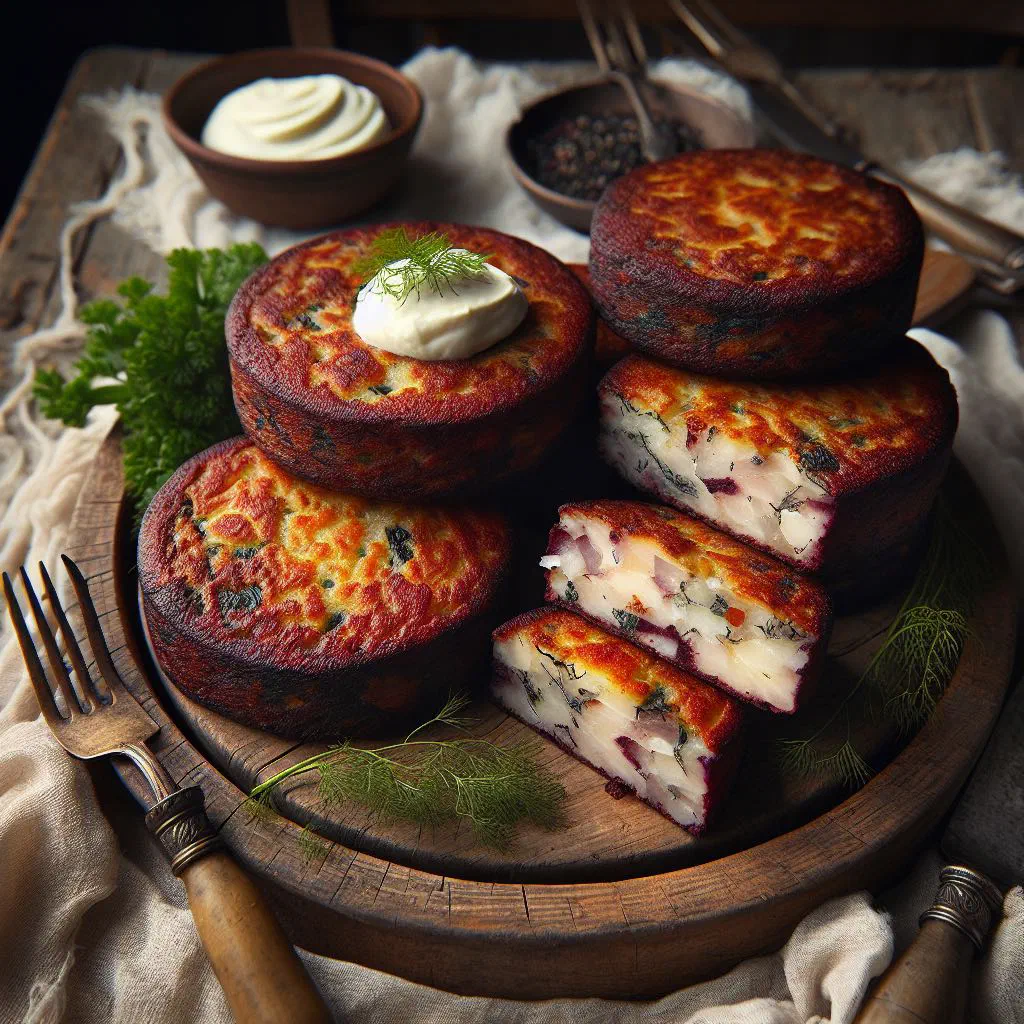
Meet Dulse and Potato Cakes, a quietly brilliant corner of the Irish kitchen where the land meets the sea. Dulse is a mineral-rich seaweed gathered along Ireland’s rugged coastline, and folded through soft mashed potato it lends these little cakes a deep, savoury, faintly briny character all of their own. Crisp at the edges and tender within, they make a wonderful snack or side dish, humble, nourishing and unmistakably Irish.
About Dulse and Potato Cakes
Dulse and Potato Cakes are a real highlight of the Irish table, built on two staples that have sustained the island for centuries. Dulse is a nutritious seaweed traditionally harvested along the Irish coast, and it gives these cakes a wonderfully savoury flavour while packing in valuable nutrients. Combined with fresh potatoes, the aromatic notes of dulse create a delicious and genuinely healthy snack or side that is well worth seeking out. The pairing is rustic comfort food at its very best, every bit as homely as a bowl of Colcannon.
Ingredients (serves 1–2)
- 200 g potatoes
- 50 g dulse (dried)
- 100 g plain flour (or gluten-free flour)
- 1 tsp baking powder
- 1 pinch of salt
- 1 tbsp olive oil
- Water (as needed)
Shopping for the ingredients
When shopping for Dulse and Potato Cakes, it pays to pay attention to the quality of both the potatoes and the dulse. Fresh potatoes are key to the texture and flavour of the cakes. Dulse is often found in health-food shops or at markets that sell regional produce. If you can’t track down fresh dulse, dried versions work just as well and are widely available in many Asian supermarkets.
Preparing the dish
Preparing Dulse and Potato Cakes takes very little time and fills your kitchen with a lovely aroma. Start by peeling the potatoes and cutting them into small cubes so they cook through evenly. The dulse can be soaked briefly in water to soften it and bring out its flavour. These small steps matter. They help the ingredients combine harmoniously and ensure a balanced, satisfying result.
Step-by-step instructions
- Boil the potatoes in a pan of water until soft.
- Drain the cooked potatoes and mash them with a fork or potato masher.
- Finely chop the dulse and stir it through the mashed potato.
- Add the flour, baking powder and salt, mixing everything well.
- Pour in the olive oil and a little water as needed, until the dough is smooth and pliable.
- Shape the dough into small cakes and place them on a baking tray.
- Bake in a preheated oven at 180 °C for around 20–25 minutes, until golden brown.
Gluten-free / lactose-free version
Making Dulse and Potato Cakes gluten-free or lactose-free is straightforward. Simply use gluten-free flour as your alternative. For a lactose-free option, reach for plant-based oils or margarine in place of butter. These small adjustments mean the dish can be enjoyed by anyone with a food intolerance without losing any of its delicious flavour, much like the easygoing Champ with Scallions.
Tips for vegans and vegetarians
This recipe for Dulse and Potato Cakes is already vegetarian and can easily be made vegan. Just check that the flour and dulse you use contain no animal products. In place of olive oil, you can use any other plant-based oil suitable for vegans. With these tweaks anyone can enjoy the lovely flavours of this traditional dish while keeping to a balanced, plant-based diet.
More tips and tricks
For the best results with Dulse and Potato Cakes, let the potatoes drain thoroughly to avoid excess moisture, which gives the cakes a far better texture. After baking, you can scatter over a little sea salt or some fresh herbs to intensify the flavour. Feel free to experiment with the seasoning to make the cakes your own, a touch of black pepper or chives works beautifully here.
Adapting the recipe to your taste
The recipe for Dulse and Potato Cakes is wonderfully adaptable and easy to adjust to suit your preferences. Add grated cheese or fresh herbs, for example, to build more flavour. If you like things with a bit of heat, work a pinch of chilli powder into the dough. This way you can make sure every bite is exactly to your liking, just as you might tailor a batch of Potato Cakes with Chives.
Ingredient substitutions
For a truly personal dish, you can swap in alternatives for some of the ingredients in Dulse and Potato Cakes. The dulse, for instance, can be replaced with other edible seaweeds where available. Instead of regular potatoes you could use sweet potatoes for a sweeter take on the recipe. These variations bring fresh flavour experiences to a tried-and-tested method and broaden the dish’s culinary range.
Drink pairing ideas
Several traditional Irish drinks pair beautifully with Dulse and Potato Cakes. A cool pint of Irish beer, especially a stout, sits wonderfully alongside the cakes’ salty notes, a match made for Oysters with Guinness too. For an alcohol-free option, serve a flavourful ginger tea or an apple-based spritzer to complement the savoury taste. This kind of pairing lifts the whole experience and makes the meal truly memorable.
Serving and presentation ideas
A thoughtful presentation can elevate Dulse and Potato Cakes no end. Serve the cakes on a rustic wooden board, garnished with fresh herbs or a slice of lemon. A side of dippable sauces, such as a tangy yoghurt dip, can also add to the appeal. With an attractive arrangement your dish will tempt not just the palate but the eyes of your guests as well.
A bit of history
The combination of potatoes and dulse has a long tradition in Irish cooking, stretching back to the 17th century. This owes much to the wide availability of the potato across Ireland, alongside dulse, long valued as a nourishing ingredient. These foods were especially important during the Great Famine of 1845 to 1852 and remain a symbol of Irish culture to this day. In making Dulse and Potato Cakes you taste a small part of that rich culinary heritage, a thread that runs right through Irish cuisine.
More recipe ideas
Summary: Dulse and Potato Cakes
In short, Dulse and Potato Cakes are delicious and a genuine link to Ireland’s rich culture and food history. With simple ingredients and an easy method, they suit just about everyone. Experiment with the different variations and savour the flavours this dish has to offer. Dive into the world of Irish cooking and let these savoury little cakes win you over.