National Dish Ireland: Yellowman (Recipe)
In this article
Meet Yellowman, one of Ireland’s most cheerful sweet treats. This honey-bright, brittle confection has long been a fixture at country fairs and festivals, where vendors hand it out in chunky golden pieces. Sweet, crisp and impossible to resist, it carries the warm taste of honey alongside a satisfying snap. Bring a slice of Irish fairground tradition straight to your own kitchen.
About Yellowman
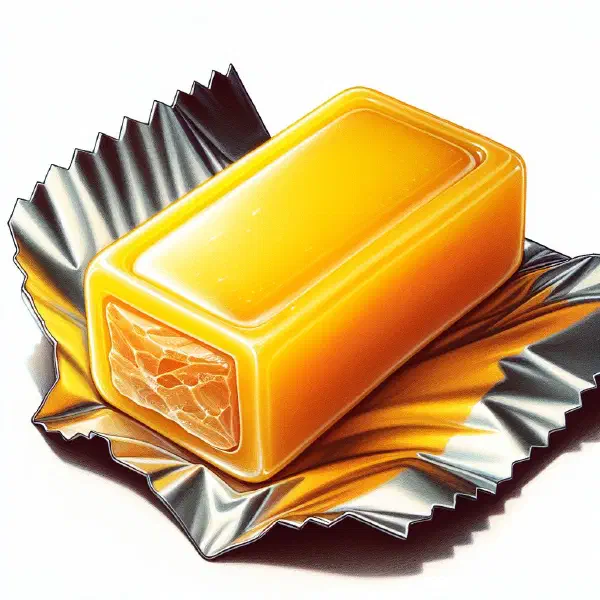
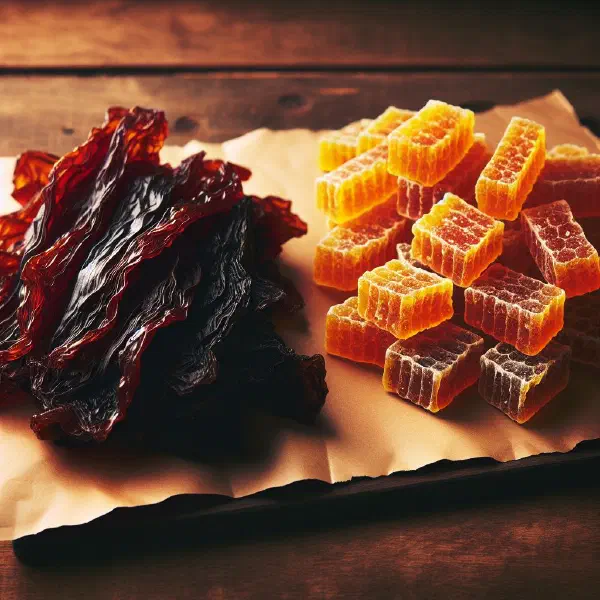
Yellowman is a much-loved traditional snack from Ireland, prized for its glowing golden colour and its crisp, brittle texture. Made chiefly from honey, sugar and cornflour, this sweet treat is a firm favourite with young and old alike. It comes into its own during the warmer months, when it is often sold and shared at fairs and celebrations. The preparation is fairly straightforward, so anyone can try the recipe in their own kitchen.
Ingredients (serves 1–2)
- 150 g sugar
- 100 g honey
- 200 g cornflour
- 125 ml water
- 1 pinch of salt
Shopping for the ingredients
When shopping for yellowman, it is best to pick up your ingredients from a local supermarket or a specialist food shop. Look for a good-quality honey, as it has a real influence on the flavour of the finished sweet. Cornflour can vary in quality from one region to another, so choose a brand known for its fine texture. It is also worth checking the ingredients in store beforehand to make sure they are fresh and free from artificial additives.
Preparing the dish
Before you start making Yellowman, gather all your ingredients and have your kitchen tools to hand. You will need a saucepan for cooking the sugar mixture and a baking tin for setting it. Make sure the tin is well greased so the yellowman lifts out easily later on. Getting everything ready in advance helps the whole process run smoothly and efficiently.
Step-by-step instructions
- Put the sugar, honey, water and a pinch of salt into a saucepan and bring the mixture to the boil.
- Lower the heat and let it simmer until it reaches a syrupy consistency.
- Add the cornflour a little at a time, stirring constantly to avoid lumps.
- Keep cooking the mixture until it is thick and firm.
- Pour the mass into the prepared baking tin and leave it to cool.
- Once it has set, cut the yellowman into pieces and enjoy.
Gluten-free / lactose-free version
Making Yellowman gluten-free and lactose-free could not be simpler. As the original recipe is already gluten-free, you only need to make sure the cornflour you use is free from cross-contamination. The other ingredients are usually gluten- and lactose-free too, so no further adjustments are required. That means anyone with particular dietary needs can enjoy this delicious snack.
Tips for vegans and vegetarians
A vegan version of yellowman is easy to achieve by swapping the honey for a plant-based sweetener such as agave syrup or maple syrup. These alternatives bring a similar sweetness while adding a flavour of their own that gives the treat a new dimension. When choosing your sugar, check that it is vegan-friendly, as some sugars are processed using animal products. That way even vegans can fully enjoy this traditional Irish sweet, much like a plant-based take on Colcannon.
More tips and tricks
One key tip when making Yellowman is to keep a close eye on the mixture as it cooks. If it boils for too long it can catch and turn bitter. Feel free to experiment by adding flavourings such as vanilla or cinnamon for an interesting twist. Stirring in dried fruit or nuts can also lend the recipe a more wholesome character. Your own personal touch is what makes yellowman truly special.
Adapting the recipe to your taste
The recipe for Yellowman is easy to tailor to your own preferences. If you like it less sweet, simply reduce the amount of sugar in the mixture. Alternatively, you can vary the texture by adding more or less cornflour to reach the thickness you want. You might also try different sweeteners to alter its distinctive flavour. With a few tweaks, your yellowman is guaranteed to become a special treat.
Ingredient substitutions
If you do not have certain ingredients for Yellowman to hand, there are plenty of alternatives you can use. In place of honey, try agave syrup or birch sugar to reach the same level of sweetness. When it comes to the cornflour, polenta makes a good substitute that is just as gluten-free. These swaps can change the flavour of the sweet a little, while at the same time opening up new and interesting variations, much as a clever twist livens up a slice of Irish Apple Cake.
Drink pairing ideas
Plenty of different drinks pair nicely with Yellowman and complement its sweetness. A fragrant herbal tea or a light fruit juice make excellent companions. A mild beer or a gentle cocktail can also bring out the flavours of the yellowman beautifully. For a festive occasion you might reach for sparkling wine or prosecco to add a lively, refreshing note.
Serving and presentation ideas
Yellowman can be presented simply yet elegantly. Cut the pieces into even shapes and decorate them with a dusting of edible gold or a few toasted nuts for extra crunch. Serve the pieces on an attractive plate and add fresh berries or a dollop of cream to give the treat more colour and texture. Red or green fruit also offers an appealing contrast to the golden confection.
A bit of history
Yellowman has a long history in Irish culture and is often associated with local fairs. The sweet grew out of the confectionery-making tradition and has become a beloved snack over the years. It is famously sold at gatherings such as the Ould Lammas Fair and around St Patrick’s Day. In Irish folklore yellowman also carries symbolic meaning, forming part of a cultural heritage that celebrates a love of all things sweet, a heritage you can taste across the wider world of Irish cuisine.
More recipe ideas
Summary: Yellowman
All in all, Yellowman is a delicious sweet treat that not only tastes wonderful but is also deeply rooted in Irish culture. Its simple preparation and the scope for adapting it make it an ideal snack for everyone. Give it a go and let this traditional Irish indulgence win you over.