National Dish Israel: Sfinge (Recipe)
In this article
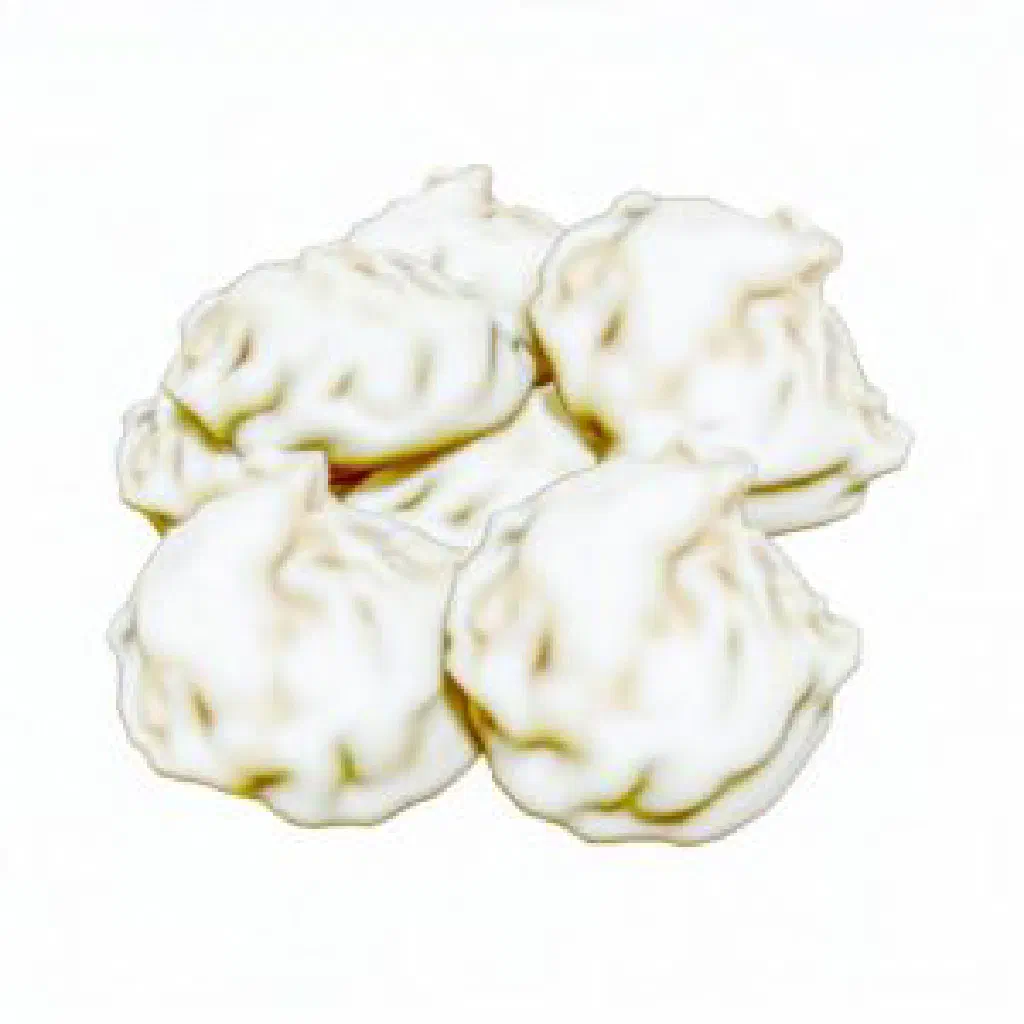
Sfinge are the Sephardic answer to the doughnut: a wet, slack yeast dough stretched by hand into rings, dropped into hot oil and pulled out puffed and hollow, then dipped in honey or rolled in sugar. Moroccan Jewish families brought them to Israel, and they appear every Hanukkah, when fried food is the whole point.
About Sfinge
Sfinge is one of the best-loved sweet snacks of Israel’s Sephardic kitchen. These light, airy yeast doughnuts are fried golden and then dipped in honey syrup or sugar. Traditionally made for Hanukkah, the festival at which fried food commemorates the oil of the Temple, sfinge win people over with their soft, warm texture and sweet glaze.
Ingredients (serves 1–2)
- 200 g plain flour
- 1 teaspoon dried yeast
- 120 ml lukewarm water
- 1 tablespoon sugar
- A pinch of salt
- Oil, for frying
- 3 tablespoons honey or sugar, to glaze
Shopping for the ingredients
Plain flour is right; strong flour makes them chewy rather than light. Use a mild honey for the glaze, a strong one overwhelms the dough. Any neutral oil with a high smoke point works for frying, and you need enough for the rings to float.
Preparing the dish
The dough is deliberately very wet and sticky. This is not a mistake, and resisting the urge to add flour is the single most important thing. Let it rise until doubled and bubbly. Keep a bowl of water or oil beside you for wetting your hands when shaping.
Step-by-step instructions
- Dissolve the yeast and sugar in the lukewarm water and leave 10 minutes until frothy.
- Mix into the flour with the salt to a very wet, sticky dough — do not add extra flour.
- Beat it with a wooden spoon for 2 minutes.
- Cover and leave in a warm place for 1–1½ hours, until doubled and bubbly.
- Heat oil to 175°C in a deep pan.
- With wet hands, pull off a lump of dough, poke a hole through the middle and stretch into a ring.
- Fry for 2 minutes a side until deep golden and puffed.
- Drain briefly, then dip in warmed honey or roll in sugar and eat immediately.
Gluten-free / lactose-free version
Sfinge contain no dairy at all, so they are naturally lactose-free, which is part of why they suit kosher meat meals. A gluten-free version needs a bread blend with xanthan gum; the dough behaves differently but still fries.
Tips for vegans and vegetarians
With sugar or a sugar syrup instead of honey, sfinge are fully vegan, the dough is nothing but flour, water, yeast, sugar and salt. This is one of the few traditional festive fried sweets that needs almost no adaptation.
More tips and tricks
Do not add flour to the sticky dough; wet hands are the answer, and the wetness is what makes them hollow and light. Keep the oil at 175°C, not hotter. And eat them within minutes of frying, sfinge are excellent hot and mediocre cold.
Adapting the recipe to your taste
Orange blossom water in the honey syrup is a classic Moroccan touch. Cinnamon sugar instead of honey is common. Some families serve them plain with a bowl of honey for dipping at the table.
Ingredient substitutions
Date syrup or silan substitutes beautifully for honey and is thoroughly local. Fresh yeast works. Use 15 g. A little semolina in the flour gives a slightly crisper crust.
Drink pairing ideas
Mint tea is the Moroccan pairing and cuts the sweetness well. Strong black coffee suits them at breakfast. Cold milk works for children.
Serving and presentation ideas
Serve sfinge hot, piled on a plate with honey dripping off them, eaten with the fingers and considerable mess. At Hanukkah they are made in batches through the evening and handed out as they come from the pan, which is the correct way to do it.
A bit of history
Sfinge came to Israel with Moroccan and North African Jewish immigrants, and they remain the Sephardic Hanukkah pastry, the Ashkenazi equivalent being sufganiyot, the jam-filled doughnut. The name shares a root with the Arabic isfanj, and versions are made across the Maghreb by Jews and Muslims alike. It offers a genuine window onto Israeli cuisine.
More recipe ideas
Summary: Sfinge
Sfinge are wet yeast dough rings fried until hollow and puffed, then dipped in honey. Do not add flour to the sticky dough, wet your hands to shape, and eat them straight from the pan.