National Dish Italy: Bagna Cauda (Recipe)
In this article
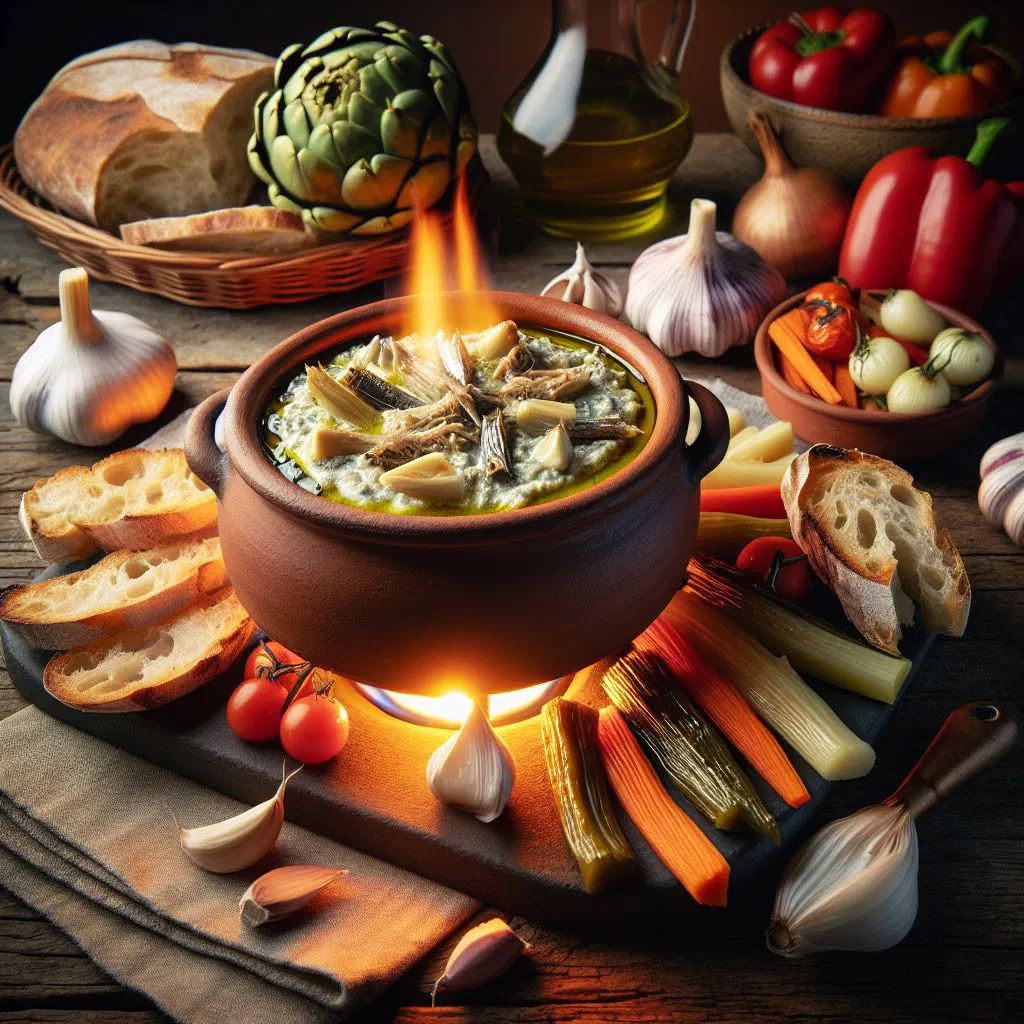
Discover Bagna Cauda, the soul-warming dip that turns a tableful of crisp vegetables into a proper celebration. This Piedmontese classic blends mellow garlic and savoury anchovies into a rich, glossy sauce kept warm at the table for dipping. It is the kind of dish that draws everyone in close, perfect for unhurried evenings shared with friends and family. Bring a taste of northern Italian hospitality straight to your own kitchen.
About Bagna Cauda
Bagna Cauda is a traditional dish from the Piedmont region of Italy, most often served as a sociable, shared affair. At its heart is a warm garlic and anchovy sauce that pairs beautifully with a wide variety of fresh, raw vegetables. The interplay of bold flavours and the simple pleasure of dipping each piece into the sauce make this dish both distinctive and very good. Ideal for convivial gatherings, bagna cauda brings people together and invites everyone to enjoy the relaxed Mediterranean way of life.
Ingredients (serves 1–2)
- 5–6 fresh anchovy fillets
- 4–5 large garlic cloves
- 100 ml olive oil
- 1 tsp red wine vinegar
- Fresh vegetables (e.g. carrots, peppers, celery, radishes)
Shopping for the ingredients
When shopping for bagna cauda, it pays to pick up the best-quality produce you can find. Fresh anchovies are a defining ingredient and are ideally bought from a good fishmonger. The quality of the olive oil matters just as much, as it shapes the whole character of the sauce. Fresh, seasonal vegetables make for a colourful platter and taste the best when dipped, much as they do in a bright Peperonata.
Preparing the dish
Preparing bagna cauda is straightforward, though it rewards a little time and patience. Start by peeling and roughly chopping the garlic cloves. The anchovy fillets should also be cut up small so they break down easily as they cook. While you prep, it helps to wash the fresh vegetables and cut them into bite-sized pieces so everything is ready to serve the moment the sauce is warm.
Step-by-step instructions
- In a small pan, gently fry the chopped garlic and the cut anchovies in the olive oil over low heat until the garlic turns golden.
- Keep the olive oil from getting too hot to avoid scorching; this can take around 10 minutes.
- Finally, stir in the red wine vinegar and combine everything well.
- Serve the sauce in a small, heatproof pot and keep it warm while the vegetables are arranged alongside.
Gluten-free / lactose-free version
Bagna cauda is naturally gluten-free and lactose-free, so anyone with these intolerances can enjoy this delicious dish without worry. It is worth making sure that all the products you use, especially the olive oil and the vinegar, are labelled gluten-free. The vegetables need no special treatment whatsoever, which makes the dish particularly suitable for anyone avoiding gluten or lactose. That flexibility makes bagna cauda a popular choice across many different ways of eating.
Tips for vegans and vegetarians
For vegans, bagna cauda can be adapted easily by swapping the anchovies for a combination of olive paste or vegan parmesan to achieve a similar savouriness. Sun-dried tomatoes, soaked and puréed, also make an excellent alternative. Vegetarians can still enjoy the sauce by replacing the anchovies with a blend of seasonings that mimic that hearty, salty depth, the same trick that lifts a Salsa Verde. This way, bagna cauda becomes a flexible recipe that suits a range of diets.
More tips and tricks
A few small touches can make bagna cauda even tastier. One option is to add fresh herbs such as parsley or basil for an extra layer of flavour. It is also important not to let the sauce cook for too long, as overcooking can dull its taste. When it comes to the vegetables, grilled or roasted versions can be used alongside the raw ones to create different taste experiences.
Adapting the recipe to your taste
Bagna cauda is easy to tailor to personal preference. Depending on your taste, you can vary the quantities of the ingredients to make the sauce milder or more intense. You can also use other oils in its preparation, such as rapeseed oil or walnut oil, to lend the sauce a distinctive flavour. Experimenting with the choice of vegetables is another great way to discover new combinations and textures.
Ingredient substitutions
There are several alternatives to the main ingredients in bagna cauda. Instead of anchovies, you can use capers as a source of umami, which deliver a similar salty note. The garlic can be replaced with garlic powder, though it should be used sparingly as it is more concentrated. For a creamier finish, any kind of cream-based sauce can be tried to keep the dish smooth and aromatic. This adaptability is one more reason bagna cauda is so cherished, much like the much-loved Pesto alla Genovese.
Drink pairing ideas
A range of drinks pairs especially well with a convivial round of bagna cauda. A light white wine, such as a Sauvignon Blanc or a Pinot Grigio, harmonises wonderfully with the flavours of the dish. For non-drinkers, sparkling drinks or fruit spritzers make a refreshing accompaniment. The choice of drink can also depend on how you serve it, since different vegetables offer different flavour combinations.
Serving and presentation ideas
For presenting bagna cauda, it works well to serve the sauce in an attractive little pot or bowl. The fresh vegetables can be arranged on a decorative platter to show off their colours and textures to best effect. The mix of warm and cool tones is a feast for the eyes and whets the appetite. A few fresh herbs as garnish can lift the presentation further and turn the dish into a real centrepiece, alongside crisp bites like Carciofi Fritti.
A bit of history
Bagna cauda has its origins in Piedmontese tradition and is often linked to the lives of the region’s farmers and labourers, who celebrated as a community during the harvest. The dish is thought to have emerged in the 16th century and, over the years, grew into a symbol of warm hospitality. Traditionally it is served in the winter months, frequently at festive occasions or gatherings with friends and family. This cultural grounding adds to the enduring popularity of bagna cauda within Italian cuisine.
More recipe ideas
Summary: Bagna Cauda
Bagna cauda stands for the unique flavour of Italy and for tradition and the joy of eating together. The dish is simple to prepare and offers plenty of room to be creative, letting you adapt the recipe to your own tastes. The variety of fresh vegetables and the aromatic sauce make it the perfect choice for sociable evenings. Dive into the delicious world of bagna cauda and enjoy a slice of Italian food culture.