National Dish Italy: Cacio e Pepe (Recipe)
In this article
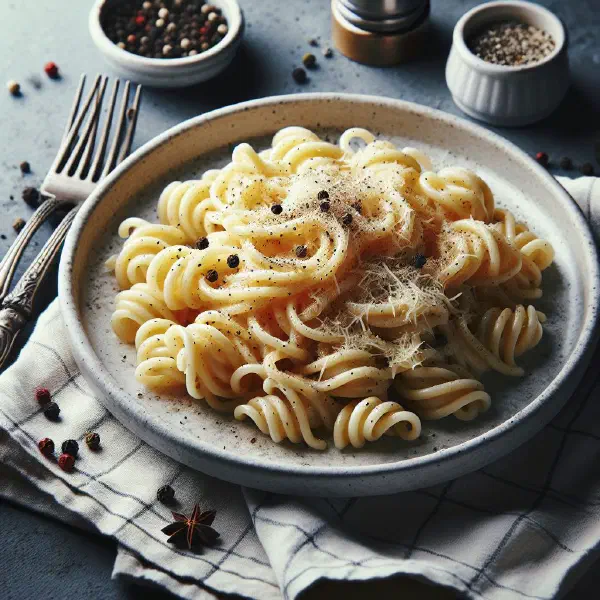
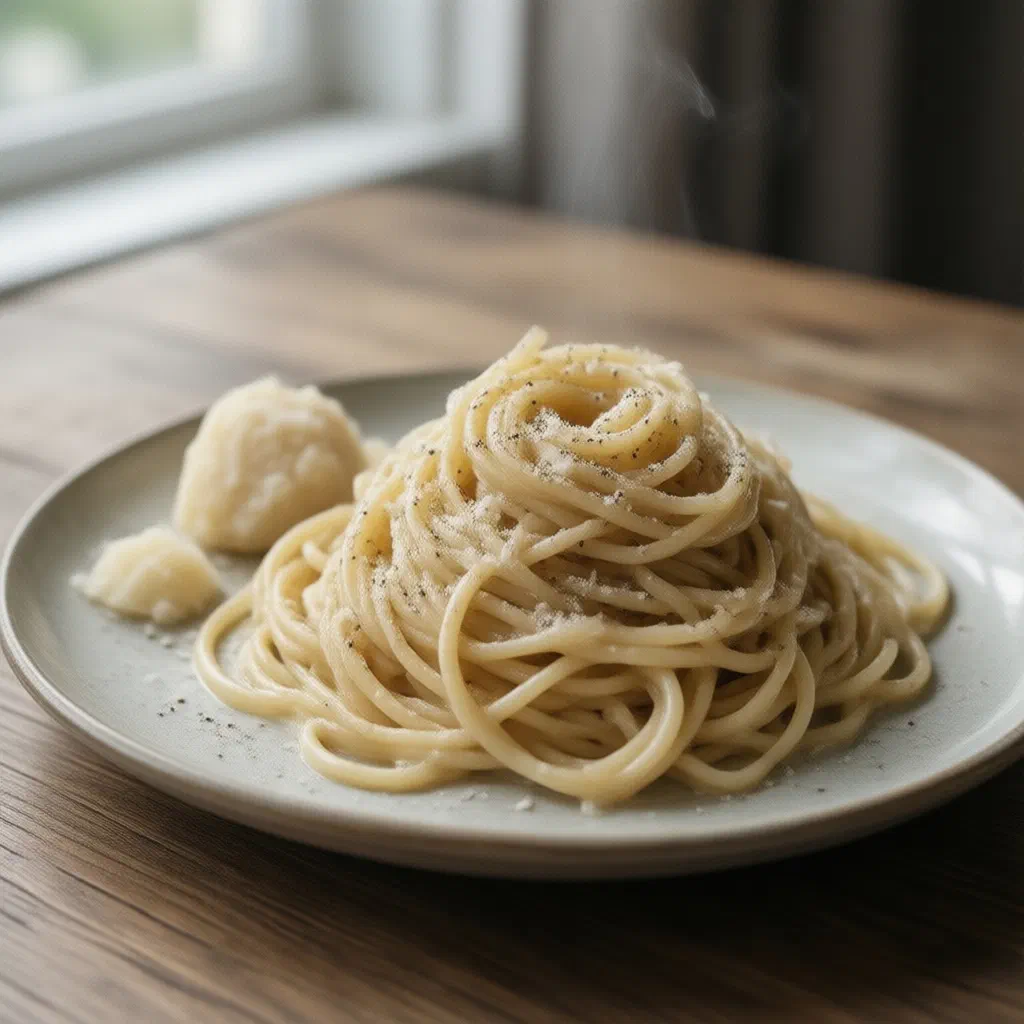
Few dishes capture the genius of Italian cooking quite like Cacio e Pepe. Born in the trattorias of Rome, it relies on just three humble ingredients, pasta, sharp Pecorino Romano and freshly ground black pepper, yet delivers an extraordinary depth of flavour. The real magic lies in the technique: coaxing the cheese and starchy pasta water into a glossy, clinging sauce. Master it once and you will have a weeknight supper that tastes as though it came straight from a Roman kitchen.
About Cacio e Pepe
Cacio e Pepe is a classic Italian dish that hails from the city of Rome. The name translates literally as “cheese and pepper”, which sums up its two starring ingredients perfectly. Built from only three components, pasta, Pecorino Romano and black pepper, it is a textbook example of the simplicity and intensity that define Italian cooking. The art lies in bringing the ingredients together in harmony to create a strikingly bold flavour experience.
Ingredients (serves 1–2)
- 100 g pasta (spaghetti or tonnarelli)
- 50 g Pecorino Romano, freshly grated
- 1–2 teaspoons freshly ground black pepper
- Salt (for the cooking water)
- Pasta water (about 100 ml)
Shopping for the ingredients
When shopping for cacio e pepe, quality really matters. The Pecorino Romano is crucial to the dish’s distinctive flavour, so choose a top-grade cheese and ideally grate it fresh yourself. It is just as important to buy good black pepper, since freshly cracked peppercorns release far more aroma. The pasta plays its part too, tonnarelli or spaghetti are ideal shapes for catching and holding the sauce.
Preparing the dish
Before you start making your Cacio e Pepe, set out all the ingredients within easy reach. Make sure the Pecorino Romano is freshly grated, as this affects both the texture and the flavour of the finished sauce. Cooking the pasta in plenty of salted water is essential, and it should be cooked al dente for the perfect bite. Keep around 100 ml of the starchy pasta water aside, ready to bring the sauce together later.
Step-by-step instructions
- Bring a large pan of water to the boil and add salt.
- Cook the pasta according to the packet instructions until al dente.
- While the pasta cooks, toast the freshly ground black pepper in a dry pan to intensify its aroma.
- Once the pasta is ready, reserve a cup of the pasta water and drain the rest.
- Add the hot pasta to the pan with the pepper, then stir in about half of the Pecorino Romano.
- Gradually add a little pasta water at a time, stirring well, until a creamy sauce forms.
- Serve at once, finishing with the remaining cheese and an extra grind of pepper.
Gluten-free / lactose-free version
To make Cacio e Pepe gluten-free, simply use one of the gluten-free pasta alternatives now stocked in most supermarkets. If you need it lactose-free, check that your Pecorino Romano is suitable, or swap in a nut-based vegan cheese as a delicious stand-in. The cooking steps stay exactly the same, so you can enjoy the dish in full without missing out on any of its flavour.
Tips for vegans and vegetarians
For a vegan version of Cacio e Pepe, reach for a plant-based cheese made from cashews or almonds. There are now plenty of products that mimic the sharp tang and texture of Pecorino Romano. You might also use a blend of different peppercorns in place of plain black pepper for a more layered aroma. Just remember to check every ingredient carefully to make sure it is genuinely plant-based.
More tips and tricks
The single most important trick for a perfect Cacio e Pepe is to use that pasta water wisely. It is full of starch, which helps emulsify the cheese and pull the sauce together into a creamy consistency. When toasting the pepper, let it become fragrant but never let it burn, as scorched pepper turns bitter. Always reach for freshly ground pepper, too. It offers a far more intense aroma than the pre-ground kind. The same starchy-water trick works beautifully in Spaghetti Aglio e Olio.
Adapting the recipe to your taste
The beauty of Cacio e Pepe is how easily it bends to your own preferences. If you like a bit of heat, scatter in some chilli flakes for an extra kick. Or turn it into a more substantial meal by quickly sautéing vegetables such as courgette or spinach in the peppery pan before adding the pasta. Let your imagination lead the way and feel free to experiment, much as you would with a generous plate of Pasta alla Gricia.
Ingredient substitutions
If Pecorino Romano is hard to find, you can use Parmesan instead. It shifts the flavour slightly but still makes a tasty alternative. For a milder, creamier result, stir in a small amount of mozzarella. With the pasta, feel free to experiment with different shapes to suit your taste, as you might when choosing a base for Spaghetti Carbonara. Even courgette noodles (zoodles) make an interesting gluten-free option.
Drink pairing ideas
A light, fruity white wine pairs wonderfully with Cacio e Pepe. A Pinot Grigio or a crisp Verdicchio are both excellent choices that complement the dish’s flavours. If you would rather skip the alcohol, freshly squeezed citrus juice or sparkling water with a squeeze of lime makes a refreshing match. Offer these alongside to round out the whole tasting experience.
Serving and presentation ideas
Presentation can make all the difference in lifting the first impression of Cacio e Pepe. Serve the pasta in pre-warmed bowls so it stays hot for longer at the table. Add a touch of colour and freshness with herbs such as thyme or parsley, and finish each plate with a final scattering of cracked pepper and a little extra cheese to make it look truly appetising.
A bit of history
Cacio e Pepe has a long heritage in Roman cuisine and was originally made by shepherds who had only a handful of ingredients to hand. The pairing of cheese and pepper was simple, nourishing and easy to carry. In recent years the dish has soared in popularity and now appears on restaurant menus around the world. It embodies the guiding philosophy of Italian cuisine: less is more.
More recipe ideas
Summary: Cacio e Pepe
Cacio e Pepe is a wonderful example of simple yet deeply flavourful Italian cooking. With just a few ingredients you can conjure a dish that is delicious and rich in cultural significance. It suits any occasion and adapts easily to a range of tastes. Savour the little bit of magic that happens when cheese and pepper come together in such an inspired way.