National Dish Italy: Carbonara (Recipe)
In this article
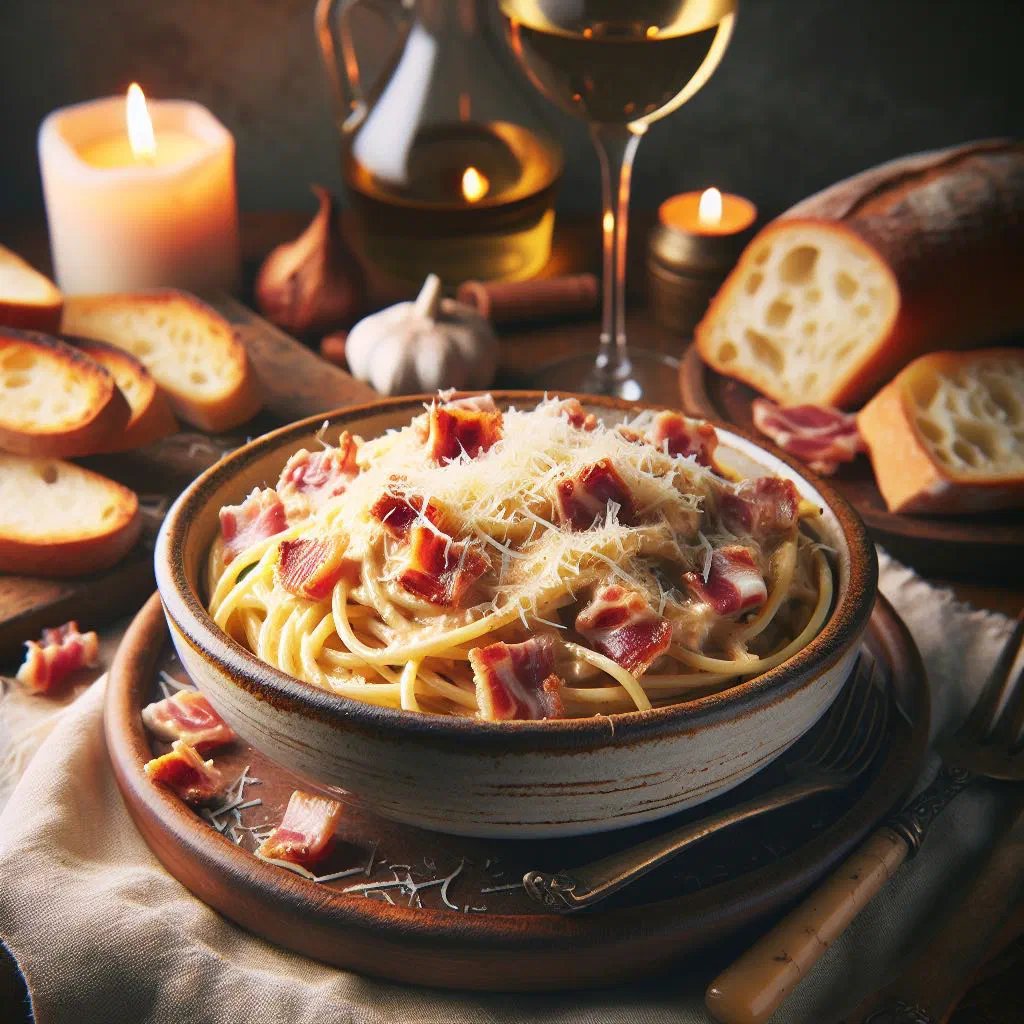
Few dishes capture the genius of Italian cooking quite like Carbonara. With just a handful of ingredients, silky eggs, sharp cheese, crisp cured pork and a generous grind of black pepper, it delivers a sauce so rich and creamy you would never guess there is no cream in sight. This is rustic Roman comfort food at its finest, and once you master the simple trick of letting the eggs cook in the residual heat, you will return to it again and again.
About Carbonara
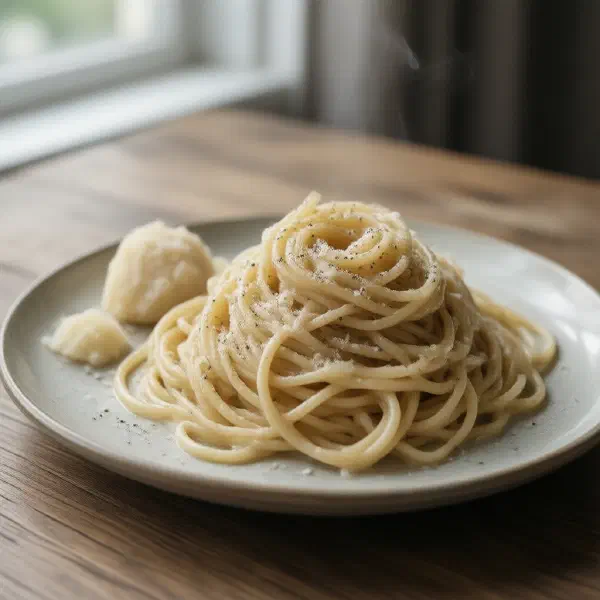
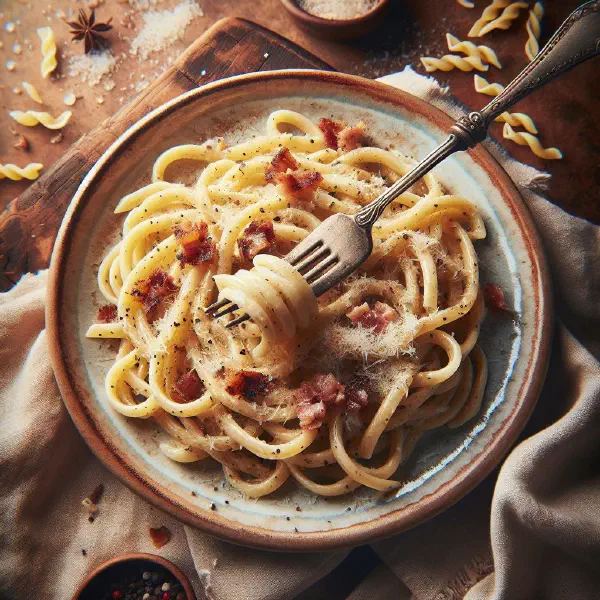
Spaghetti Carbonara is a dish of pure simplicity and elegance, and rightly counts among Italy’s most cherished national dishes. Its hallmarks are a creamy sauce, crisp little cubes of pancetta or guanciale, and a generous helping of Pecorino Romano or Parmesan, all of which lift it to something quite special. What sets carbonara apart is its understated refinement, born from the perfect harmony of just a few high-quality ingredients. It is the Italian kitchen philosophy in a single bowl: good produce and traditional methods deliver an outstanding result.
Ingredients (serves 1–2)
- 200g spaghetti
- 100g pancetta or guanciale, diced
- 2 fresh large eggs
- 50g Pecorino Romano or Parmesan, freshly grated
- Freshly ground black pepper
- Salt (for the pasta water)
Shopping for the ingredients
When buying your ingredients, look for quality and freshness above all. The pancetta or guanciale is best sourced from a trusted butcher, where you can be sure of a proper cure. For the cheese, choose Pecorino Romano DOP or Parmigiano Reggiano DOP for the most authentic flavour. Pick up whole free-range eggs, as these give you the silkiest, most luxurious sauce. Good cured pork and good cheese are the same building blocks that make a Pasta alla Gricia sing, so it is well worth seeking them out.
Preparing the dish
Organisation is the key to a successful carbonara. Cook the spaghetti al dente according to the packet instructions, and have everything else ready and waiting while the water comes up to the boil. The egg-and-cheese mixture should be whisked and standing by before the pasta ever meets the pancetta, because the dish comes together in seconds and there is no time to start chopping once the cooking begins.
Step-by-step instructions
- Bring a large pan of well-salted water to the boil and add the spaghetti.
- Meanwhile, render the pancetta or guanciale in a frying pan over medium heat until golden and crisp.
- In a bowl, beat the eggs together with the grated cheese until well combined.
- Once the spaghetti is cooked al dente, drain it (reserving a little of the cooking water) and add it straight away to the pan with the pancetta.
- Take the pan off the heat, pour in the egg-and-cheese mixture and stir quickly. The residual heat of the pasta and pan gently cooks the eggs into a creamy sauce. Loosen with a splash of the reserved cooking water if needed.
- Season with plenty of freshly ground black pepper and serve immediately.
Gluten-free / lactose-free version
Carbonara adapts well for those avoiding gluten or lactose. For a gluten-free version, simply swap the regular spaghetti for one of the many good gluten-free pasta varieties now available, which behave much like the original. Making it lactose-free is a little trickier given the central role of the cheese, but a hard, naturally low-lactose Pecorino or a quality lactose-free hard cheese will let most people enjoy the dish without discomfort.
Tips for vegans and vegetarians
For a vegetarian version, replace the pancetta with smoked tofu, which brings a similar savoury, smoky depth. Vegans can take it a step further with egg-replacement products and plant-based cheese alternatives, and there are also egg-free pasta varieties on the market. With a few thoughtful swaps, the comforting spirit of carbonara is open to everyone, much as a Spaghetti Aglio e Olio is naturally suited to plant-based eaters.
More tips and tricks
The single most important trick is to let the eggs cook in the residual heat of the pasta and pan, never over a flame. If the sauce turns too thick, simply stir in a little more of the starchy pasta cooking water to bring it back to a glossy, flowing consistency. Too much direct heat, on the other hand, will scramble the eggs and leave you with something closer to an omelette than a sauce, so keep that pan off the hob.
Adapting the recipe to your taste
Carbonara is easy to tailor to your own preferences. If you like things bolder, add extra black pepper or even a pinch of chilli flakes for a little warmth. Devoted cheese lovers can happily increase the amount of Pecorino or Parmesan for a richer, sharper finish. Small tweaks like these let you make the dish exactly your own without straying from the spirit of the original.
Ingredient substitutions
If a particular ingredient is hard to find, there are plenty of sensible alternatives. Pancetta and guanciale are interchangeable, and at a pinch a good streaky bacon will stand in for either. Pecorino Romano and Parmesan can likewise be swapped for one another or blended to taste. For the pasta itself, spaghetti is traditional, but other long shapes work just as well, the same flexibility you would bring to a Spaghetti alla Puttanesca.
Drink pairing ideas
A crisp, alcohol-free white-wine cuvée or a cool Italian lemonade pairs beautifully with the rich, creamy character of carbonara, cutting through the dish and refreshing the palate between mouthfuls. A simple sparkling water with a slice of lemon does the job nicely too, keeping the focus where it belongs, on the silky sauce and crisp pancetta.
Serving and presentation ideas
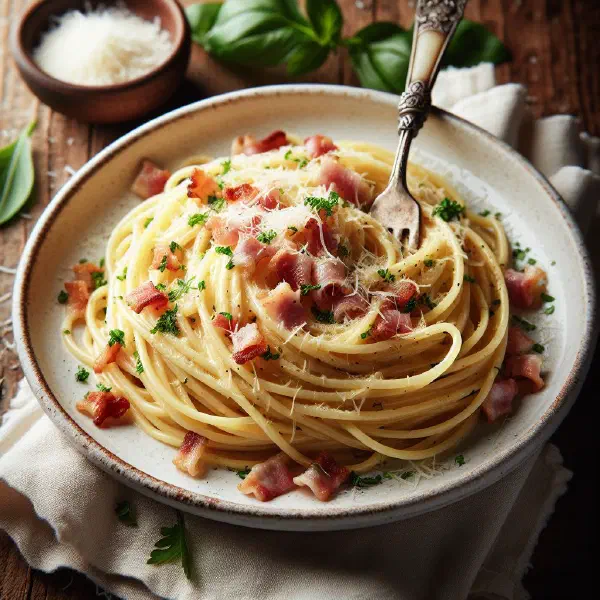
Serve the carbonara in deep, warmed bowls so it stays hot to the last forkful. Just before serving, scatter over a little extra cheese and finish with a sprig of fresh parsley or a few basil leaves for a touch of colour against the pale, creamy sauce. Twirling the pasta into a neat nest in the centre of each plate gives that restaurant look with almost no extra effort.
A bit of history
There are several theories about where carbonara came from. One holds that the dish was named after the carbonari, the charcoal burners who worked the hills around Rome. Another suggests it emerged in the mid-twentieth century after the liberation of Rome, created by Italian cooks who made use of American rations such as bacon and eggs. Whatever the truth, it has become an icon of Roman and Italian cuisine the world over.
More recipe ideas
Summary: Carbonara
Spaghetti Carbonara is an Italian national dish that wins hearts through its simplicity and its reliance on just a few outstanding ingredients. With this recipe and the tips alongside it, you can recreate an authentic taste of Italy in your own kitchen, a dish that is endlessly adaptable and perfect for any occasion. Master the gentle, residual-heat method for the sauce and you will have a true Roman classic in your repertoire for life.