National Dish Italy: Casoncelli (Recipe)
In this article
If you are after an authentic Italian dish that appeals to the heart and the palate in equal measure, Casoncelli are exactly what you need. These traditional stuffed parcels hail from Lombardy and bring together a rich filling of meat, cheese, breadcrumbs and herbs, all wrapped in delicate fresh pasta. With their distinctive shape and very good flavour, they are sure to become the highlight of your next meal, a true taste of northern Italy made right in your own kitchen.
About Casoncelli
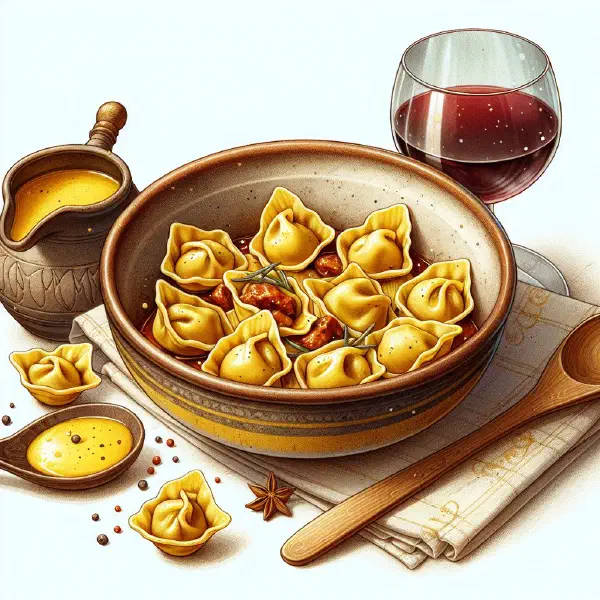
Casoncelli are a much-loved stuffed pasta from Lombardy, prized for their unique shape and the depth of flavour packed into every parcel. At their heart is a savoury filling of beef mince (or a beef-and-pork blend), grated Parmesan, breadcrumbs, garlic and rosemary, all sealed inside thin, tender egg pasta. The result is hearty and deeply satisfying, traditionally finished with a simple sauce of butter and sage. Cities such as Bergamo and Brescia have long made these parcels a centrepiece of their cooking, and one taste makes it easy to see why.
Ingredients (serves 1–2)
- 200g plain wheat flour
- 2 eggs
- 100g beef mince (or a mixture of beef and pork)
- 50g grated Parmesan
- 2 tbsp breadcrumbs
- 1 garlic clove, chopped
- 1 sprig of rosemary, chopped
- Salt and pepper, to taste
- 50g butter
- Several sage leaves
Shopping for the ingredients
Before you start making Casoncelli, it is worth sourcing every ingredient in the best possible quality. Look for fresh meat and eggs, ideally from sustainable farming. Fresh herbs such as rosemary and sage give the parcels a wonderfully aromatic character, while a genuine, well-aged Parmesan delivers the finest flavour. A good Italian deli or a well-stocked supermarket should have everything you need.
Preparing the dish
Careful preparation is the key to success when making Casoncelli. First, weigh out and lay out all your ingredients. Sift the flour to make sure there are no lumps, then chop the mince finely and mix it thoroughly with the other filling ingredients. Set up a large, clean work surface where you can comfortably roll out the fresh pasta and shape the parcels at a relaxed pace.
Step-by-step instructions
- Tip the flour onto a work surface and press a well into the centre.
- Crack the eggs into the well and beat them lightly with a fork.
- Gradually work the flour into the eggs and knead to a smooth dough.
- Wrap the dough in cling film and leave it to rest for 30 minutes.
- Meanwhile, combine the mince with the Parmesan, breadcrumbs, garlic, rosemary, salt and pepper.
- Roll the dough out thinly and cut it into small squares.
- Place about a teaspoon of filling on each square, then fold over and seal the edges firmly.
- Cook the filled parcels in boiling water for around 3–5 minutes. They are ready once they float to the surface.
- Melt the butter in a pan, add the sage leaves and toss the Casoncelli through it.
- Serve piping hot and enjoy.
Gluten-free / lactose-free version
For a gluten-free version of Casoncelli, swap the wheat flour for a gluten-free blend, choose one designed for pasta dough so it holds together well when rolled. For a lactose-free variant, replace the Parmesan with a lactose-free hard cheese and use plant-based margarine in place of butter. With these small swaps, the dish becomes accessible to anyone with these intolerances, without losing its comforting character.
Tips for vegans and vegetarians
Vegetarians can replace the beef mince with a filling of ricotta and spinach, much like the one that shines in classic Ravioli di Ricotta e Spinaci. For a vegan version, I recommend a mix of crumbled tofu, chopped spinach and diced vegetables, with the cheese swapped for a plant-based alternative. The important thing is to season generously so the filling keeps that signature savoury depth.
More tips and tricks
A great tip when making Casoncelli is to roll the dough really thin, so the parcels do not turn out thick and heavy. Use plenty of flour on the work surface to stop everything sticking. If you want to save time, you can prepare the parcels in advance and freeze them. They keep beautifully and can be lifted out by the portion and cooked exactly when you need them.
Adapting the recipe to your taste
The recipe for Casoncelli lends itself to all sorts of variations. For a slightly different flavour, try swapping the beef mince for pork or chicken. Adding finely chopped mushrooms or nuts to the filling can make the parcels even more interesting, and the same parcel-folding skills carry over neatly to other Lombard pasta dishes such as Pizzoccheri. Experiment with different herbs and spices to create your own signature version.
Ingredient substitutions
If certain ingredients are not available, or you simply fancy a change, there are plenty of alternatives. In place of rosemary, you could use thyme or oregano, while Pecorino or Grana Padano make fine stand-ins for Parmesan. For the pasta dough, spelt flour works well instead of wheat flour and lends a slightly nuttier note to the finished parcels.
Drink pairing ideas
A good wine is the perfect partner for a traditional Italian dish like Casoncelli. A dry white such as Pinot Grigio or a fruity red like Chianti complements the flavours beautifully, while a lively Prosecco makes a lovely accompaniment too. You might also offer a glass of water with a few lemon slices to refresh the palate between mouthfuls.
Serving and presentation ideas
Presentation can make a real difference to how Casoncelli are enjoyed. Arrange the parcels in a large serving dish and garnish with fresh sage leaves and a flourish of grated Parmesan. Make sure the butter sauce is spread evenly over the parcels so every bite glistens. A simple side salad and some freshly baked bread round the meal off nicely.
A bit of history
Casoncelli are among the traditional dishes of Lombardy and have a long history behind them. Originally, farming families made them as a clever way to use up leftover scraps of meat and cheese. Over the years the recipes evolved, and countless regional variations emerged. In Bergamo and Brescia these parcels are especially beloved, where they are often served with a sauce of butter and sage, a quietly elegant example of Italian cuisine.
More recipe ideas
Summary: Casoncelli
Making Casoncelli may look like a labour of love at first glance, but the effort is well worth it. With their rich aromas and tender texture, they offer an absolute feast for the senses. They are always a highlight on the plate. Give them a go and bring a little piece of Italian culture into your own kitchen.