National Dish Italy: Clam Soup (Recipe)
In this article
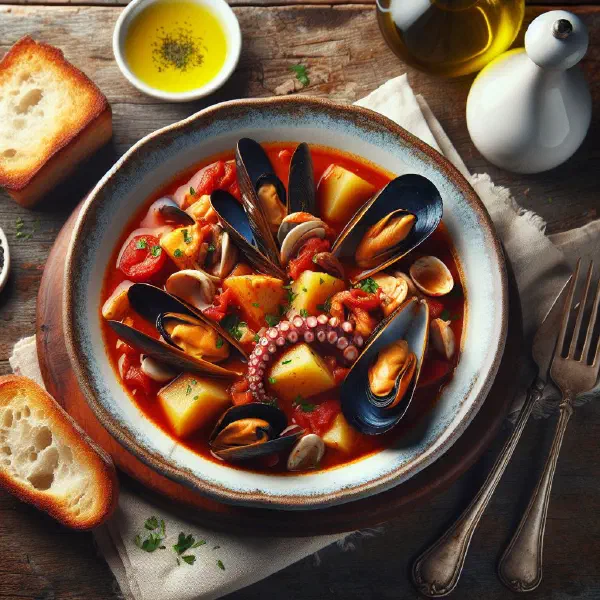
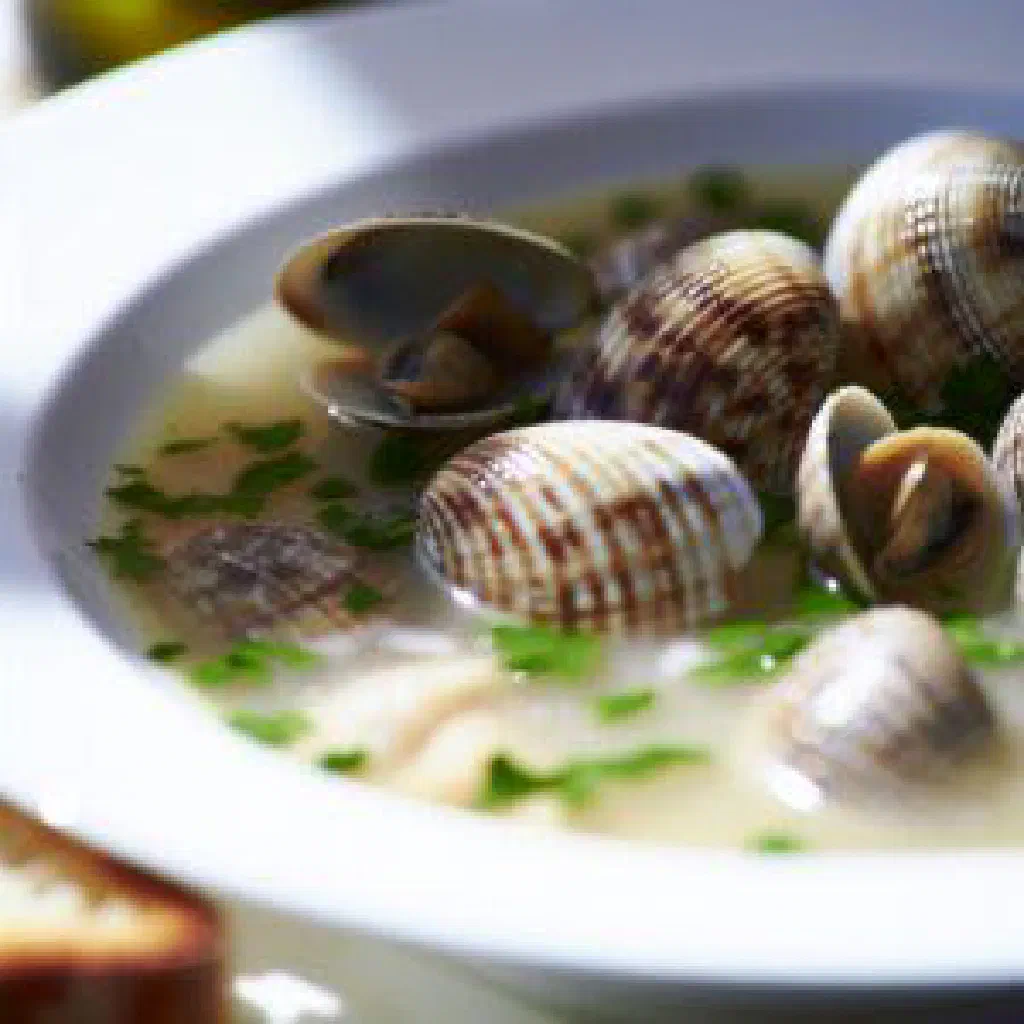
Few dishes capture the spirit of the Italian coast quite like Zuppa di Vongole, a fragrant clam soup that has long been a staple of the country’s seaside kitchens. Fresh clams simmer in a light tomato and white-wine broth, finished with garlic, herbs and a glug of good olive oil. Bright, briny and deeply satisfying, it brings the sun-soaked flavours of the Mediterranean straight to your table. Perfect for anyone who loves seafood at its simplest and best.
About Clam Soup
Zuppa di Vongole is a traditional Italian fish soup, especially beloved along the country’s coastal regions. What sets it apart is its fresh, aromatic character, achieved through the use of fresh clams. In this article we uncover the secret behind this delicious dish, complete with a detailed recipe and a handful of helpful tips.
Ingredients (serves 1–2)
- 500g fresh clams
- 2 cloves garlic, finely chopped
- 4 tablespoons olive oil
- 1 small onion, finely chopped
- 400g peeled tomatoes (tinned)
- 100ml white wine
- 200ml vegetable stock
- Fresh parsley, chopped
- Salt and pepper to taste
- Chilli flakes (optional)
- Slices of baguette, to serve
Shopping for the ingredients
When shopping, take care to buy the freshest clams you can find. Fresh clams should smell cleanly of the sea and stay firmly shut. If you do not have fresh tomatoes to hand, good-quality tinned peeled tomatoes make a fine alternative. Choose a dry white wine to give the dish the acidity it needs, and look out for decent spices to round off the flavour. The same eye for fresh seafood pays off in any Italian cuisine classic.
Preparing the dish
First, the clams should be washed thoroughly and checked over. Any that are already open and refuse to close when tapped gently should be discarded. Finely chop the onion and garlic, and prepare the remaining ingredients. Make sure everything is within easy reach before you start cooking. It keeps the process relaxed and makes sure things run smoothly.
Step-by-step instructions
- Heat the olive oil in a large pan over medium heat.
- Add the chopped onion and garlic and cook until soft and golden.
- Tip in the peeled tomatoes and let the mixture simmer for around 10 minutes.
- Pour in the white wine and vegetable stock and bring everything to the boil.
- Add the clams, cover the pan and cook for about 5–7 minutes, until the shells have opened.
- Season with salt, pepper and, if you like, chilli flakes, then scatter the fresh parsley over the top.
- Serve the soup hot with slices of baguette.
Gluten-free / lactose-free version
To enjoy a gluten-free version of this clam soup, swap the baguette slices for gluten-free bread, or leave them out altogether. As the dish itself contains no dairy, it is naturally lactose-free. Do check, however, that none of the ingredients you use carry hidden gluten or lactose, so the dish is suitable for everyone at the table.
Tips for vegans and vegetarians
A vegan take on clam soup calls for a few adjustments, since clams are the star ingredient. In their place you can use various mushrooms, such as oyster or shiitake, to mimic a similar texture and savoury depth. Use a good vegetable stock to build flavour, and a touch of seaweed like nori or wakame can help echo that briny, of-the-sea note.
More tips and tricks
For a more intense flavour, add a squeeze of lemon juice or a splash of white wine vinegar to the soup. Always make sure the clams are scrubbed well and use only the freshest produce. One small secret lies in the quality of the olive oil, reach for an extra virgin oil for the best results. When it comes to tomatoes, fresh ones are well worth using whenever they are in season.
Adapting the recipe to your taste
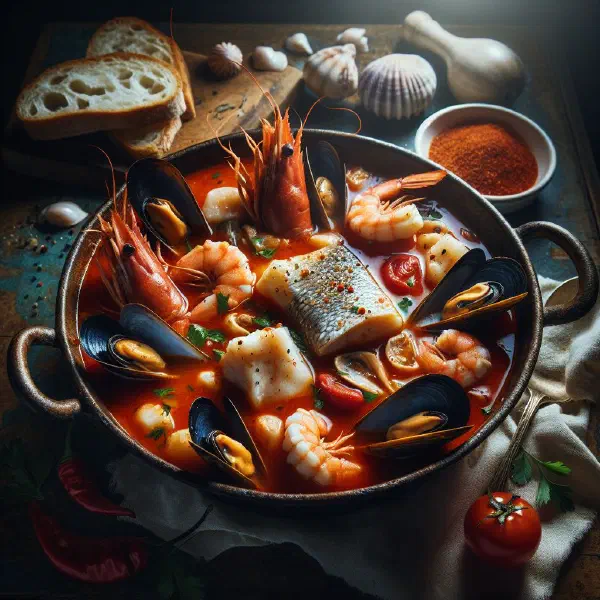
Clam soup is easily tailored to personal preference. If you like things spicier, add more chilli flakes or a fresh chilli. For a heartier version, stir in some diced potatoes or carrots. You can also vary and enrich the dish with other seafood such as prawns or pieces of squid, much as you would in a generous Risotto ai Frutti di Mare. Experiment until you find the perfect version for you.
Ingredient substitutions
Should clams prove hard to come by, other mussels or cockles work just as well. They offer a similar flavour and are often easier to find, the same shellfish that shine in a classic Zuppa di Cozze. Instead of white wine you could use a dry sherry or a little fish stock, and for an alcohol-free version simply replace the wine with more vegetable stock.
Drink pairing ideas
Clam soup pairs beautifully with a dry white wine, such as a Pinot Grigio or a Sauvignon Blanc. These wines complement the fresh, savoury aromas of the soup perfectly. For non-drinkers, a refreshing sparkling water or a light, well-chilled apple juice makes a good alternative. A hint of lemon in the water can add a lovely fresh note too.
Serving and presentation ideas
For an attractive presentation, serve the clam soup in deep bowls or rustic dishes. Scatter fresh parsley or a few basil leaves over the top and tuck a few baguette slices along the edge of the plate. A drizzle of olive oil and a slice of lemon as a garnish lend the dish an extra touch of elegance. Spread the clams out evenly so each guest gets a portion that looks as good as it tastes.
A bit of history
Clam soup has its origins in Italy’s coastal regions, particularly around Naples and along the Amalfi Coast. Traditionally it was made by fishermen using freshly caught clams and other seafood. The dish has evolved over the years but remains a symbol of the region’s simple yet richly flavoured cooking, much like its cousin the Zuppa di Pesce alla Livornese. It reflects the Italians’ deep connection to the sea and their love of fresh, natural ingredients.
More recipe ideas
- Brodetto di Pesce
- Cacciucco Maremmano
- Zuppa di Cozze e Fagioli
- Calamarata ai Frutti di Mare
- Spaghetti con Bottarga
Summary: Clam Soup
Clam soup is a delicious and wonderfully simple Italian fish soup. With fresh clams, fragrant tomatoes and a few well-chosen seasonings, it brings the flair of the Italian coast straight to your table. Whether gluten-free, lactose-free or vegan, a few small tweaks make the recipe endlessly adaptable. Give this traditional delicacy a try and bring a little piece of Italy into your own kitchen.