National Dish Italy: Farinata (Recipe)
In this article
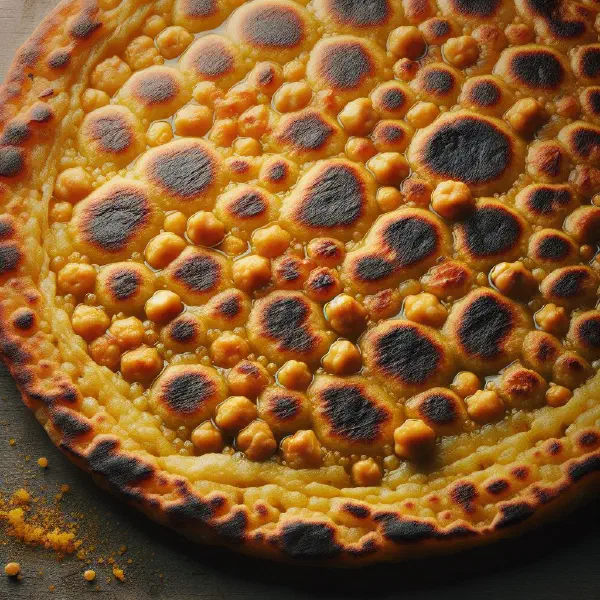
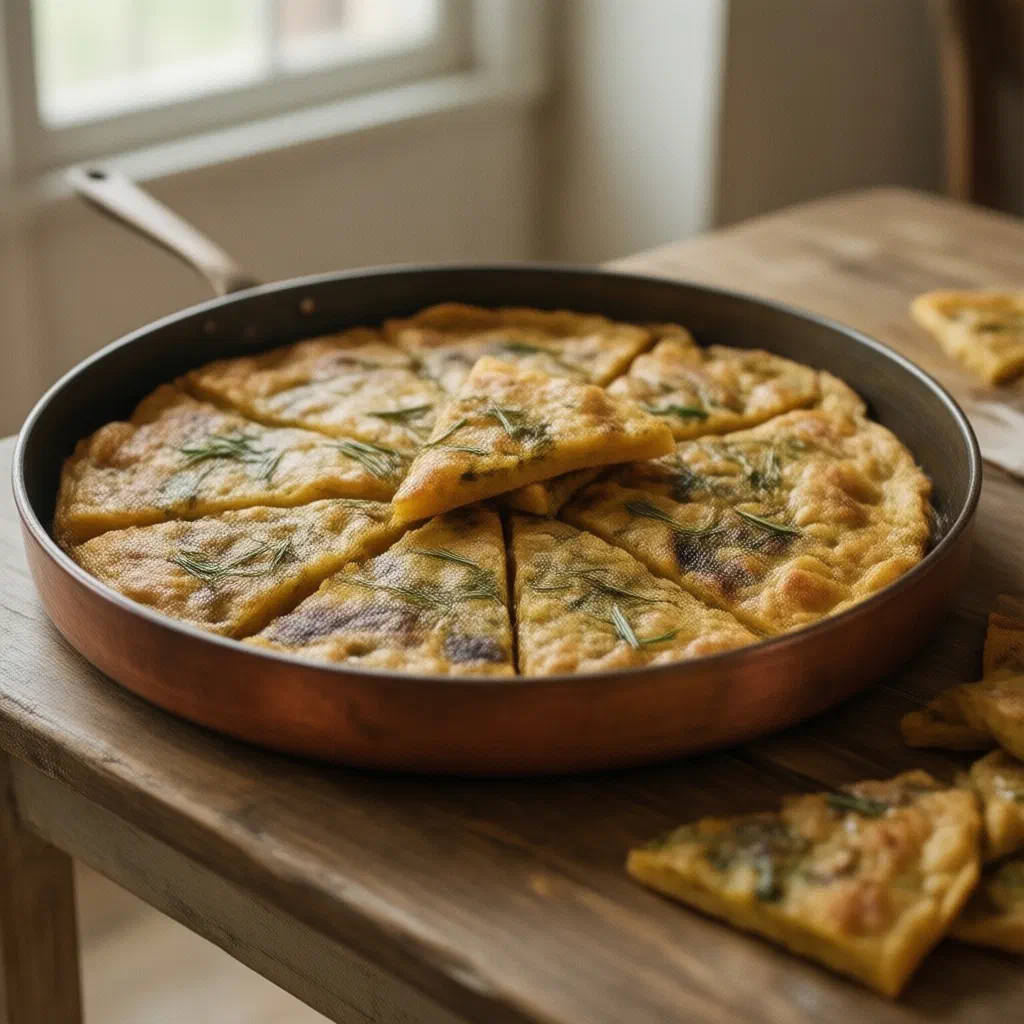
Discover Farinata, the very good chickpea pancake that has fed Liguria for centuries. Crisp and golden at the edges yet soft and creamy within, this humble flatbread is made from just a handful of pantry staples, chickpea flour, water, salt and good olive oil. Born on the quaysides of Genoa, it is naturally gluten-free, gloriously simple and packed with flavour. One bite and you will understand why Italians still queue at the bakery for a warm slice. Buon appetito.
About Farinata
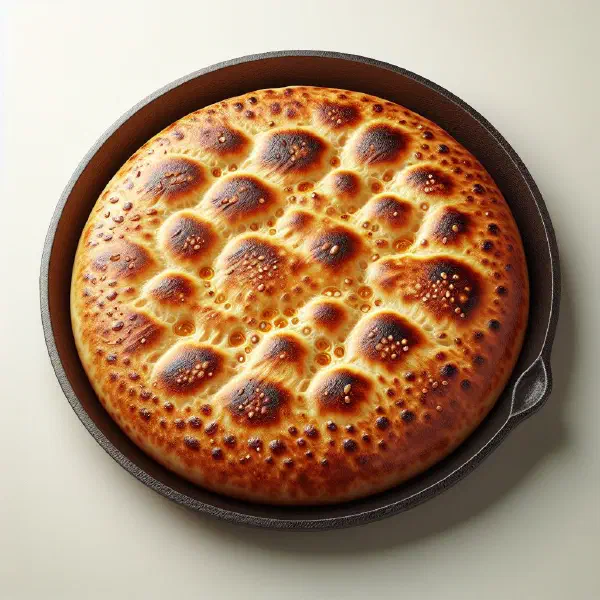
Farinata is a traditional Italian dish especially treasured in the region of Liguria. It is a thin chickpea pancake, crisp on the outside and tender within, baked until burnished and golden. The recipe originally hails from Genoa and has spread across the whole of Italy over the centuries. For anyone who loves the honest, rustic side of Italian cuisine, farinata is very good: proof that the simplest ingredients, handled with care, can produce something truly memorable.
Ingredients (serves 1–2)
- 200 g chickpea flour
- 600 ml water
- 5 tablespoons olive oil
- 1 teaspoon salt
- Rosemary (optional)
Shopping for the ingredients
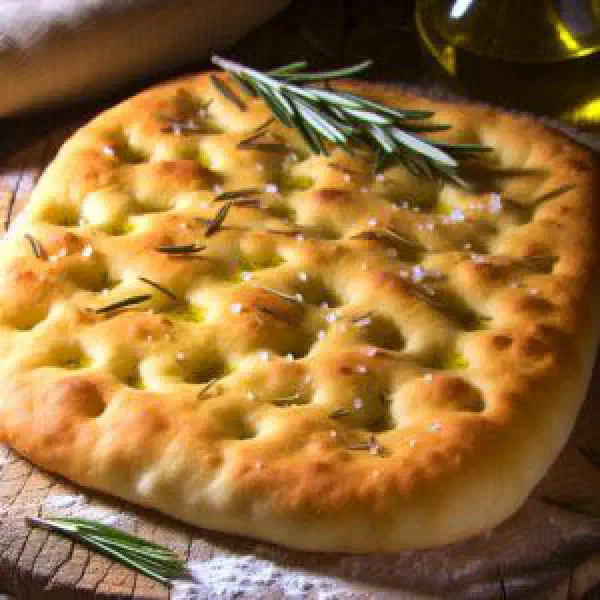
All the ingredients for farinata are fairly easy to track down in a well-stocked supermarket or health-food shop. Chickpea flour is often found in the organic aisle or in the section set aside for gluten-free products. Be sure to buy a good-quality olive oil, as it lends the dish so much of its flavour, the same generous pour that defines a classic Focaccia Genovese. If you fancy it, pick up some fresh or dried rosemary to give your farinata a fragrant, herby lift.
Preparing the dish
Before the actual baking begins, the chickpea flour needs to be whisked carefully into the water. This takes a little time, since the flour has to hydrate completely. Ideally, leave the mixture to rest for at least four hours. Giving it an occasional stir helps to break up any lumps and ensures a smooth, pourable batter that bakes evenly.
Step-by-step instructions
- Tip the chickpea flour into a large bowl and gradually add the water, whisking constantly to keep the batter smooth.
- Cover the mixture and leave it to rest for at least 4 hours.
- Preheat the oven to 220°C and grease a large, shallow baking tray with 2 tablespoons of olive oil.
- Stir the remaining 3 tablespoons of olive oil and the salt into the batter.
- Pour the batter into the prepared tray and spread it out evenly.
- Scatter over the rosemary if using, then bake for about 25–30 minutes in the hot oven until the surface is golden and crisp.
Gluten-free / lactose-free version
The good news is that farinata is naturally gluten-free and lactose-free. Chickpea flour contains no gluten, and every other ingredient is free from dairy too. If you have any concerns about hidden allergens, simply check the labels on your products carefully, but for most people this dish is a worry-free choice straight off the page.
Tips for vegans and vegetarians
Because farinata is made entirely from plant-based ingredients, it is perfect for vegans and vegetarians alike. For a more rounded meal, serve it with a fresh, crisp salad. It also makes an excellent side to a variety of vegetable dishes, much like a wedge of Minestra di Ceci rounded out with bread.
More tips and tricks
To give your farinata a distinctive character, you can fold in different herbs and spices. Try thyme or oregano, for example. If you like a bit of heat, stir a pinch of chilli powder through the batter. Above all, make sure the mixture has plenty of time to rest, so the flavours can develop fully and the texture turns out just right.
Adapting the recipe to your taste
The beauty of farinata lies in its flexibility. You can add or leave out ingredients as you please. Experiment with chopped olives, sun-dried tomatoes or even a little cheese to create your very own version. Just remember to adjust the baking time if you add extra wet ingredients, so the pancake still bakes through to a crisp finish.
Ingredient substitutions
If you do not have any chickpea flour to hand, you can also purée tinned chickpeas and blend them with water, the same humble pulse at the heart of Pasta e Ceci. Bear in mind, though, that this will slightly alter the texture and taste. Rice flour or cornmeal can also be tried as interesting alternatives, each giving the finished pancake its own subtle twist.
Drink pairing ideas
A crisp farinata goes beautifully with light white wines or a lively glass of Prosecco. A well-chilled beer can also be a refreshing match. For an alcohol-free option, flavoured sparkling waters or a fresh lemonade work wonderfully and keep the meal feeling bright and clean.
Serving and presentation ideas
Serve the farinata in small, handy pieces on a rustic wooden board, the way it is sold from bakery counters across Liguria. Garnish the slices with fresh herbs such as rosemary or chives, much as you might dress a plate of Grissini. If you are offering it as a starter, set it out alongside a selection of dips such as hummus or a yoghurt-and-herb sauce.
A bit of history
Farinata has a long history that reaches back to ancient Roman times. Once known as food for the poor, it has evolved over the centuries into a much-loved speciality. In Liguria in particular, farinata is sold in countless variations, often piping hot from wood-fired ovens. Today you will find it throughout Italy and in other Mediterranean countries such as France, where it is known as socca, and Spain.
More recipe ideas
Summary: Farinata
Farinata is a simple yet wonderfully tasty dish made from chickpea flour, with its roots firmly in Italy. With just a few ingredients and a little patience, you can easily make this delicious, gluten-free and lactose-free pancake at home. It is ideal for vegans and vegetarians, and its versatility leaves plenty of room for creative tweaks. Try out the various tips and tricks above and enjoy a crisp, golden slice of farinata fresh from the oven.