National Dish Italy: Frittata (Recipe)
In this article
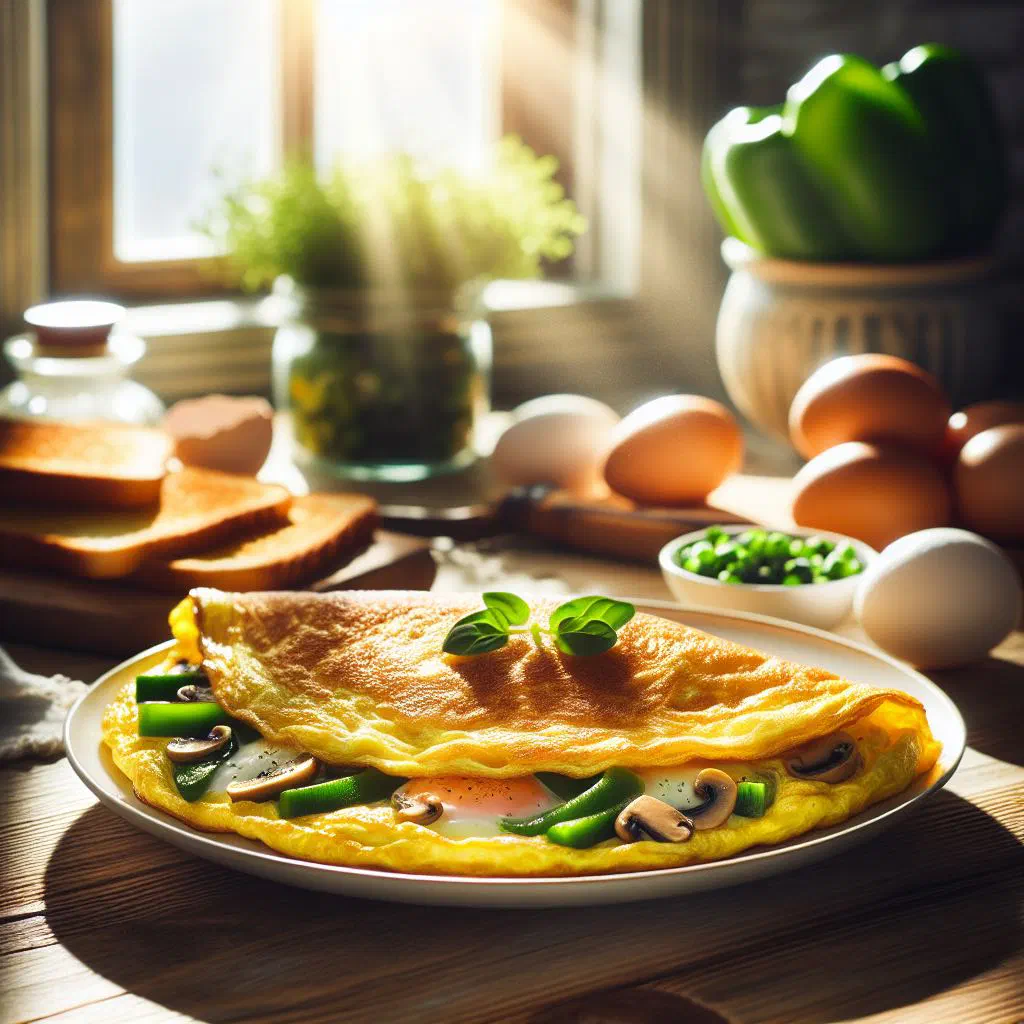
Meet the Frittata, one of Italy’s most easy-going classics. This open-faced omelette is endlessly adaptable, happy to soak up whatever vegetables, cheese or meat you have to hand. Whether it lands on the table for breakfast, lunch or a relaxed supper, it always delivers honest, sunny flavour. Beat a few good eggs, warm a little olive oil and bring the genuine taste of Italy straight to your own kitchen.
About Frittata
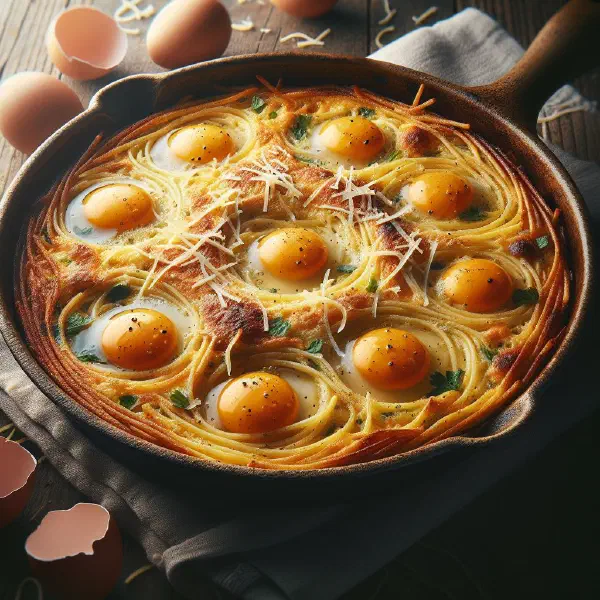
The Frittata is a traditional Italian dish prized for its versatility and its wonderful flavour. Prepared much like an omelette, it can carry a whole range of fillings, from vegetables and cheese through to meat. Breakfast, lunch or dinner, a frittata is always a fine choice. It belongs to the same rustic, home-cooked spirit as dishes like Uova in Purgatorio, and learning to make it well lets you enjoy the genuine aromas of Italy at any time of day.
Ingredients (serves 1–2)
- 4 eggs
- 50g grated Parmesan
- 100g vegetables (e.g. peppers, courgettes, tomatoes)
- Salt and pepper, to taste
- Olive oil, for frying
- Fresh herbs (e.g. basil, parsley)
Shopping for the ingredients
When shopping for your frittata ingredients, it pays to look for freshness above all. Choose the best eggs you can find, ideally organic. The vegetables can change with the season, but they should always be fresh and crisp. The Parmesan and herbs deserve the same care, good-quality cheese and fragrant fresh leaves will lift the flavour of the whole dish.
Preparing the dish
Before you start cooking, get everything ready: wash the vegetables and cut them into small pieces. Crack the eggs into a bowl, add the grated Parmesan along with salt and pepper, then whisk well and set aside. With your ingredients prepped and within reach, you are perfectly set up to cook the frittata at a calm, steady pace.
Step-by-step instructions
- Heat a frying pan with a little olive oil over medium heat.
- Add the chopped vegetables and fry for 5–7 minutes, until softened.
- Pour the egg-and-Parmesan mixture over the vegetables and let it begin to set.
- Lower the heat and cover the pan so the frittata cooks through evenly.
- After about 10–12 minutes the frittata should be set and lightly golden. Scatter with fresh herbs and serve.
Gluten-free / lactose-free version
The classic frittata is naturally gluten-free, as it contains no flour-based ingredients. For a lactose-free version, simply swap the Parmesan for a lactose-free cheese or leave the cheese out altogether. Either way the frittata stays a real highlight, making it an excellent choice for anyone with a food intolerance.
Tips for vegans and vegetarians
For a vegan version of the frittata, replace the eggs with chickpea flour and water or a plant-based egg substitute. The cheese can be swapped for nutritional yeast or a vegan alternative. The vegetables and herbs are already vegan and can be chosen from a wonderfully wide selection, so there is plenty of room to be creative.
More tips and tricks
A good frittata lives and dies by the choice of ingredients. Experiment with different vegetables and herbs to discover new flavour combinations. Be sure to cook the frittata over low to medium heat so it does not catch and cooks through evenly. If you prefer, you can finish the frittata in the oven for an even more uniform texture.
Adapting the recipe to your taste
The frittata recipe is easy to tailor to your own preferences. Spicier with chilli, richer with extra cheese, or more filling with added ingredients such as chicken. You can scale the quantities up too, turning the frittata into a generous meal for a crowd. With a few simple tweaks, this humble dish becomes a wonderfully versatile main, much like a forgiving Peperonata.
Ingredient substitutions
If there are ingredients you would rather avoid, they are easy to swap for alternatives. In place of Parmesan, try Pecorino or another hard cheese. Instead of courgettes, spinach or chard work beautifully in a frittata. Just play around until you land on your own favourite combination.
Drink pairing ideas
Plenty of drinks suit a hearty frittata. A light white wine such as a Pinot Grigio underlines its flavours nicely. A glass of fresh orange juice or a sparkling apple spritzer also pairs wonderfully with the dish. For an evening meal, a good beer or a refreshing cocktail rounds things off well.
Serving and presentation ideas
A frittata is a joy to present. Serve it straight from the pan it was cooked in for a rustic look, or slice it into neat wedges and arrange them on a pretty plate. Garnished with fresh herbs and paired with a small salad such as an Insalata Caprese, the frittata becomes a feast for the eyes as well.
A bit of history
The frittata has a long tradition in Italy and counts among the oldest forms of the omelette. It began as country cooking, a quick, filling meal for rural families. Over time it found its way into city kitchens and onto restaurant menus, and today it is a hallmark of Italian home cooking known the world over. It sits proudly alongside other timeless staples of Italian cuisine like risotto and carbonara.
More recipe ideas
Summary: Frittata
The Frittata is a versatile, flavour-packed Italian dish that is easy to make and leaves plenty of room for creativity. Classic with eggs and vegetables, adapted for special dietary needs, or varied to suit your own taste, a frittata is always a treat. Give this traditional recipe a go and bring a little piece of Italy into your own kitchen.