National Dish Italy: Granita (Recipe)
In this article
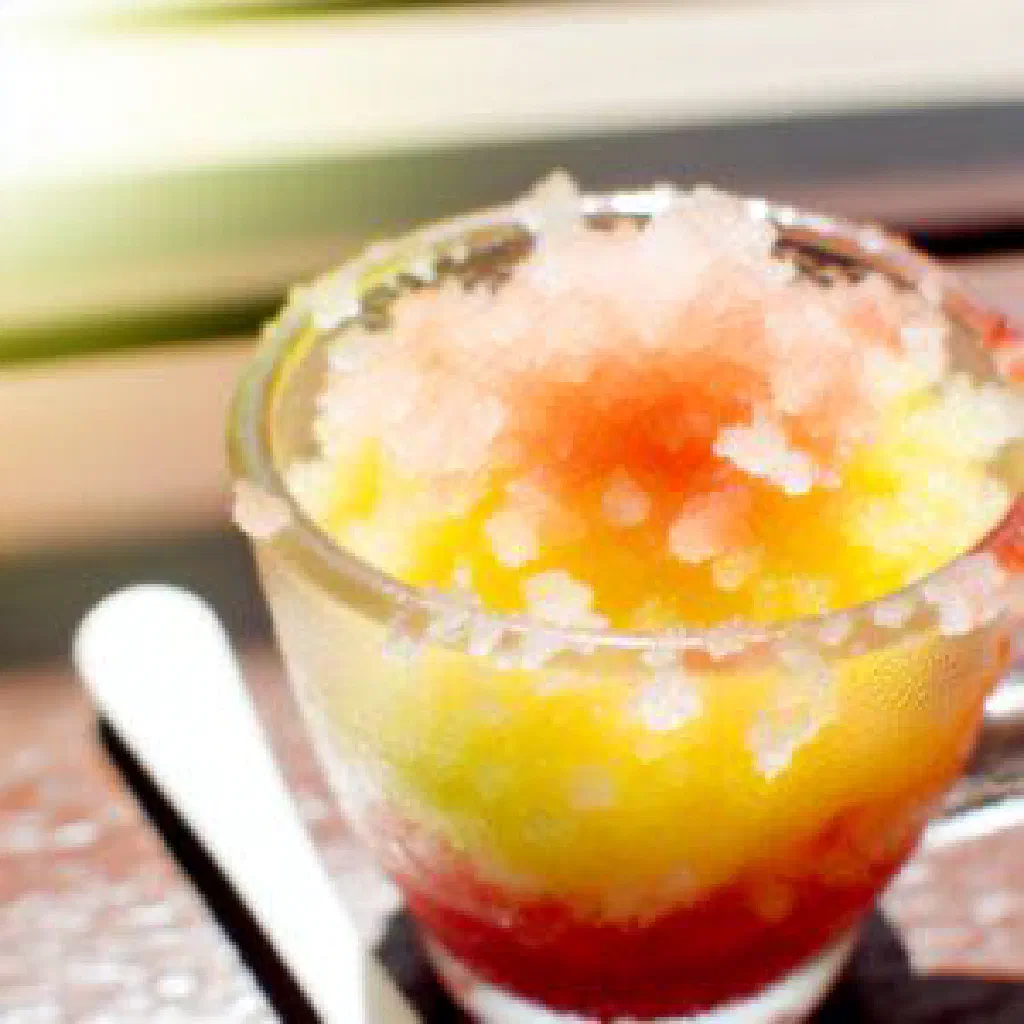
Cool down with Granita, the icy Italian treat that captures the spirit of a Sicilian summer in a single spoonful. Made from little more than water, sugar and the juice of sun-ripened fruit, it sits somewhere between a sorbet and a drink, refreshingly light yet full of flavour. With its signature coarse, crystalline texture, granita is the perfect way to beat the heat and impress your guests with an effortlessly elegant dessert.
About Granita
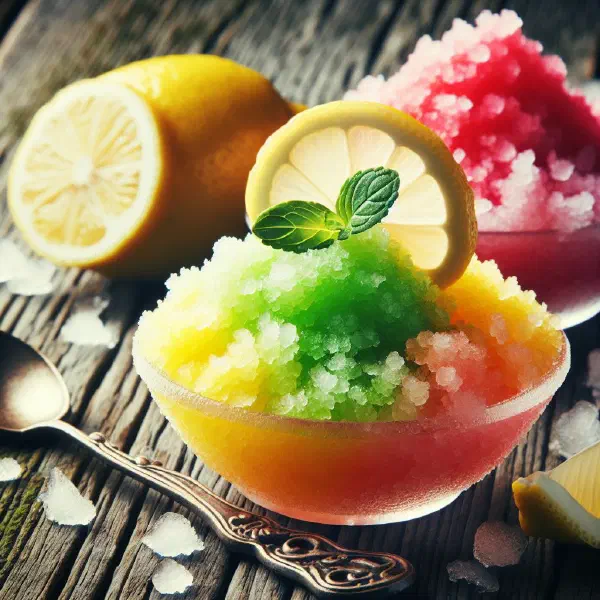
Granita is a well-known and much-loved Italian dessert that brings welcome relief during the hottest months of summer. It is a semi-frozen sweet made from water, sugar and aromatic flavourings, and in Sicily in particular it forms an important part of the island’s culinary culture. What sets it apart is its texture: coarser and more crystalline than a sorbet, which gives granita its unmistakably refreshing character. Simple to make yet wonderfully versatile, it is a true taste of southern Italy.
Ingredients (serves 1–2)
- 200 ml water
- 100 g sugar
- Juice of 1 lemon (or another fruit of your choice)
- Optional: fresh fruit or mint leaves, to garnish
Shopping for the ingredients
Most of the ingredients for granita are easy to find in any supermarket or grocery shop. Look out for fresh, ripe fruit to get the very best flavour from your dessert. Organic lemons are particularly worth seeking out, as they carry no artificial wax coating and offer a more intense aroma. If you would like to finish the dish with mint, you will usually find fresh sprigs in the fresh-produce section alongside the fruit.
Preparing the dish
Before you start making your granita, set out all the equipment you will need. This includes a small saucepan, a whisk and a shallow dish for freezing. The fruit juice should be freshly squeezed and, if necessary, passed through a sieve to remove any pulp or seeds. Have the water and sugar measured and ready so they can go straight into the pan once you begin.
Step-by-step instructions
- Put the water and sugar into a saucepan and heat over a medium heat until the sugar has completely dissolved.
- Take the pan off the heat and stir in the citrus juice, mixing well.
- Pour the mixture into a shallow dish and place it in the freezer.
- After about 30 minutes, stir with a fork to break up the ice crystals. Repeat this every 30 minutes until the granita reaches the consistency you want (roughly 3–4 hours).
- Just before serving, fluff it up once more with the fork and garnish to taste with fresh fruit or mint leaves.
Gluten-free / lactose-free version
Granita is naturally gluten-free and lactose-free, as it is made from simple ingredients such as water, sugar and fruit juice. When choosing any extras, like garnishes, just make sure these are gluten-free and lactose-free too. Fresh fruit and herbs, for example, are always a safe choice and keep the dessert suitable for everyone at the table.
Tips for vegans and vegetarians
Because granita contains no animal products at all, it is perfectly suited to vegans and vegetarians. Simply use sugar or cane sugar from a reliable source to be sure of its vegan credentials. Adding organic-certified fruit flavourings or juices gives you extra peace of mind, so you can enjoy this dessert with complete confidence whatever your diet.
More tips and tricks
For an especially fine texture, pass the mixture through a fine sieve before freezing. Experiment with different fruit juices such as orange, cherry or mango to discover new flavours. If you prefer a slightly sweeter granita, simply increase the amount of sugar to suit your taste. A little patience with the regular forking is the real secret to that perfect crystalline finish.
Adapting the recipe to your taste
Granita is an extremely adaptable dessert that you can vary however you like. Swap the citrus juice for any other fruit juice, tea or even coffee, much as you would for a Granita al Caffè. You can also adjust the sweetness to your taste by adding more or less sugar. Try infusing herbs such as basil or rosemary for unusual and aromatic flavour notes.
Ingredient substitutions
If you would rather not use sugar, you can replace it with alternative sweeteners such as agave syrup or stevia. Bear in mind that the sweetening power of these alternatives can vary, so you may need to adjust the quantities. The traditional lemon juice can also be swapped for lime, or for a blend of different citrus fruits, the same bright acidity that lifts a slice of Torta al Limone.
Drink pairing ideas
Granita pairs beautifully with a range of drinks. A light white wine or a Prosecco complements the refreshing note of the dessert perfectly. Freshly squeezed juices or a cool iced tea also work well alongside it. For a special twist, you might serve it with an Aperol Spritz or a Martini as a lively accompaniment.
Serving and presentation ideas
To present your granita at its most attractive, serve it in elegant dessert glasses or stylish bowls. Garnish before serving with fresh pieces of fruit, mint leaves or even edible flowers. A thin slice of lemon on the rim of the glass and a small stainless-steel spoon can also make a real difference to the overall look.
A bit of history
Granita has its roots in the southern Italian region of Sicily and traces back to Arab influence, when the Arabs brought sugar cane and lemons to the island. Originally, snow gathered from Mount Etna was mixed with fruit syrup to make granita. Today there are countless regional variations and flavours, such as the classic Granita Siciliana, that have spread throughout Italy and far beyond, and remain a highlight of Italian cuisine.
More recipe ideas
Summary: Granita
Granita is a refreshing and versatile dessert that is easy to prepare at home. With simple ingredients such as water, sugar and fruit juice, you can create a wonderfully cooling dish that is perfect for warm summer days. Thanks to its adaptability, it can be varied as you please and tailored to suit a range of dietary needs. Give this traditional Italian national dish a try and enjoy a little piece of Italy in your own kitchen.