National Dish Italy: Pan di Spagna (Recipe)
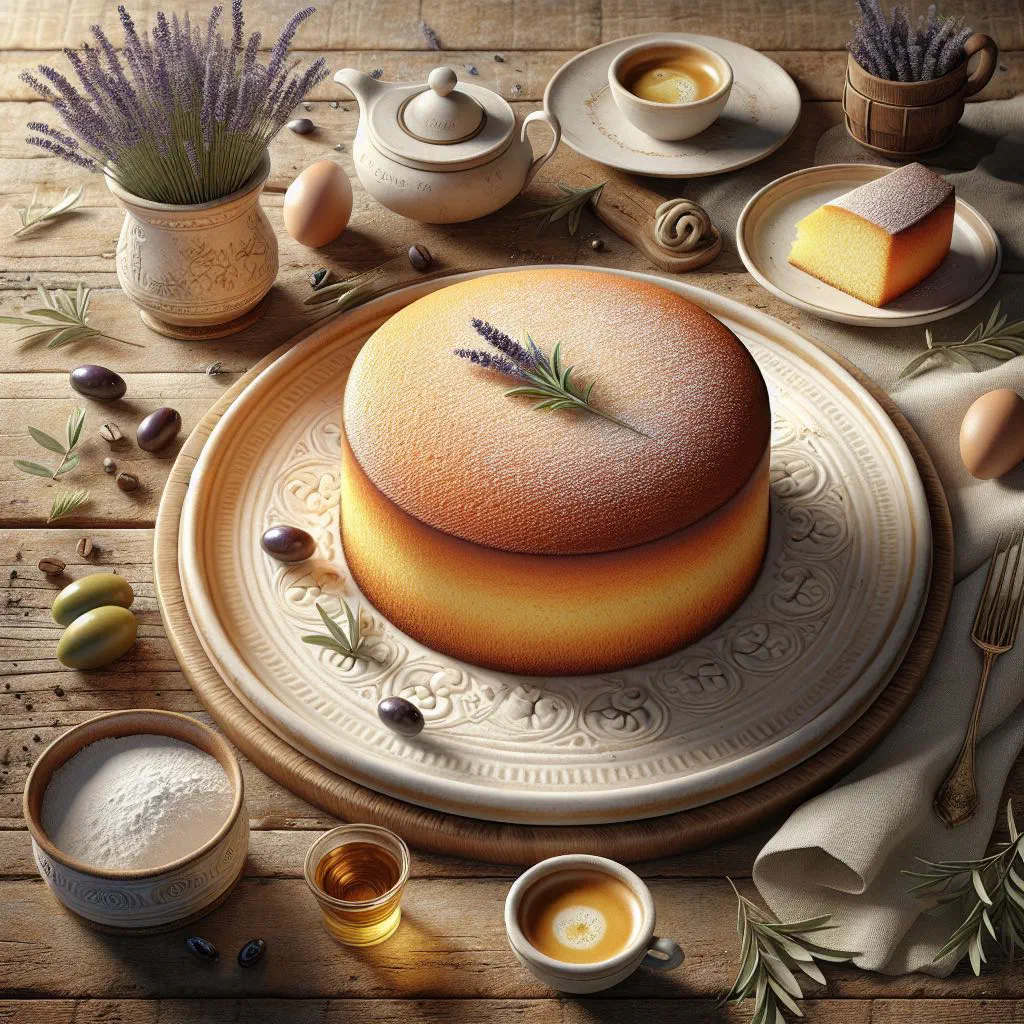
In this article
Discover Pan di Spagna, the airy Italian sponge cake that brings a little dolce vita to your kitchen. With its delicate, cloud-like crumb and gentle sweetness, this classic bake is the perfect canvas for layered tortes or a simple scattering of fresh fruit. Quick to put together and endlessly versatile, it is the kind of cake that wins over young and old alike. Let its lightness and timeless charm inspire your next afternoon of baking.
About Pan di Spagna
Pan di Spagna, also known as the Italian sponge cake, is a classic of Italian baking. This wonderfully airy and light cake has a fine, tender crumb and is traditionally used as the foundation for all manner of tortes. Whether it forms the base for creamy cake fillings or is simply served with fresh fruit, Pan di Spagna appeals to young and old alike. Let its straightforward preparation and delicious flavour inspire you to bring a touch of Italian baking magic into your own home.
Ingredients (serves 1–2)
- 3 large eggs
- 90 g caster sugar
- 90 g plain flour
- 1 tsp baking powder
- A pinch of salt
- 1 tsp vanilla extract
Shopping for the ingredients
The first step towards making Pan di Spagna is shopping for the ingredients, all of which are readily available in any well-stocked supermarket. When buying the eggs, look for the freshest you can find, as their quality has a real impact on the final result. It is also worth choosing fine flour to ensure a smooth batter. The remaining ingredients are equally simple to source, so you can get started straight away.
Preparing the dish
Now for the preparation. Begin by preheating your oven to 180°C (conventional heat). While the oven warms up, take a cake tin and grease it well or line it with baking paper. This stops the batter from sticking during baking and makes it easy to turn the cake out once it is done. As soon as the oven is ready, you can move on to the recipe itself.
Step-by-step instructions
- Place the eggs and sugar in a bowl and whisk with an electric hand mixer on the highest setting for about 10 minutes, until the mixture turns pale and fluffy.
- Add the vanilla extract and continue to mix.
- Gently fold the flour, baking powder and salt into the egg-and-sugar mixture until everything is well combined.
- Pour the batter into the prepared tin and spread it out evenly.
- Bake the cake in the preheated oven for around 25–30 minutes, until golden brown.
- Once baked, remove the cake from the oven and leave it to cool on a wire rack.
Gluten-free / lactose-free version
For a gluten-free version of Pan di Spagna, you can use a gluten-free flour blend. Check that it combines several different gluten-free flours, as this gives the best texture. For a lactose-free version, lactose-free yoghurt or a little plant-based oil can be used to give the recipe the moisture it needs. With these simple swaps, the cake stays pleasingly airy and full of flavour.
Tips for vegans and vegetarians
Vegan baking alternatives are hugely popular these days, and Pan di Spagna can easily be adapted for vegans too. Replace the eggs with apple purée (about 60 g per egg) or with a mixture of ground flaxseed and water. This keeps the cake’s texture soft and moist. You might also choose plant-based sweeteners in place of sugar if you would like a fully vegan option.
More tips and tricks
To make sure your Pan di Spagna turns out perfectly, it is important to stick to the whisking time and avoid overworking the mixture. A thorough but gentle folding of the ingredients ensures the cake rises beautifully. Always let the cake cool completely after baking before you slice or decorate it. Cooling prevents the sponge from breaking or crumbling, much as careful resting helps a sweet like Budino di Riso set just right.
Adapting the recipe to your taste
Pan di Spagna offers plenty of scope for adaptation. You can add different flavourings, such as lemon zest or a little espresso, for an especially exciting twist. Nuts like almonds or hazelnuts also make a delicious addition, lending the cake an appealing crunch. Experiment with various fillings or fruits to make the recipe truly your own, the same playful spirit you will find in a Torta al Limone.
Ingredient substitutions
If you do not have certain ingredients to hand, there are often easy alternatives. Instead of sugar, you can use honey or agave syrup to bring a natural sweetness. If needed, you can also try other types of flour to achieve different textures. Beyond that, the vanilla can be swapped for cinnamon or other spices that pair well with the remaining flavours.
Drink pairing ideas
Pan di Spagna goes wonderfully with a wide range of drinks. A light, sparkling Prosecco underlines the sweetness of the cake and adds a festive touch. Alternatively, classic Italian coffees such as espresso or cappuccino make perfect companions. For a non-alcoholic option, fresh fruit juices or a refreshing iced tea complement the flavour of the cake beautifully.
Serving and presentation ideas
The presentation of your Pan di Spagna can be every bit as enticing as the cake itself. Decorate it with fresh fruit, cream or a light dusting of icing sugar to give it an attractive finish. Edible flowers or mint leaves are a lovely way to combine colours and textures. A pretty cake stand or platter also helps you serve the cake in style.
A bit of history
Pan di Spagna has its roots in both Italian and Spanish cuisine and is often associated with special occasions. The cake emerged in the 18th century and has since become a popular choice for celebrations and weddings. It was originally created with the idea of achieving a light, delicate texture to suit festive spreads. Today it is enjoyed in countless variations across Italy and beyond, a true cornerstone of Italian cuisine.
More recipe ideas
Summary: Pan di Spagna
In short, Pan di Spagna is a versatile and delicious recipe that deserves a place in every kitchen. With its simple preparation and the freedom to adapt it to your own tastes, it appeals to home bakers and professionals alike. Whether as the base for elaborate tortes or simply served plain with fruit, Pan di Spagna offers a slice of Italian joie de vivre. Give it a try and let the charm of this traditional sweet treat work its magic on you.