National Dish Italy: Pane Carasau (Recipe)
In this article
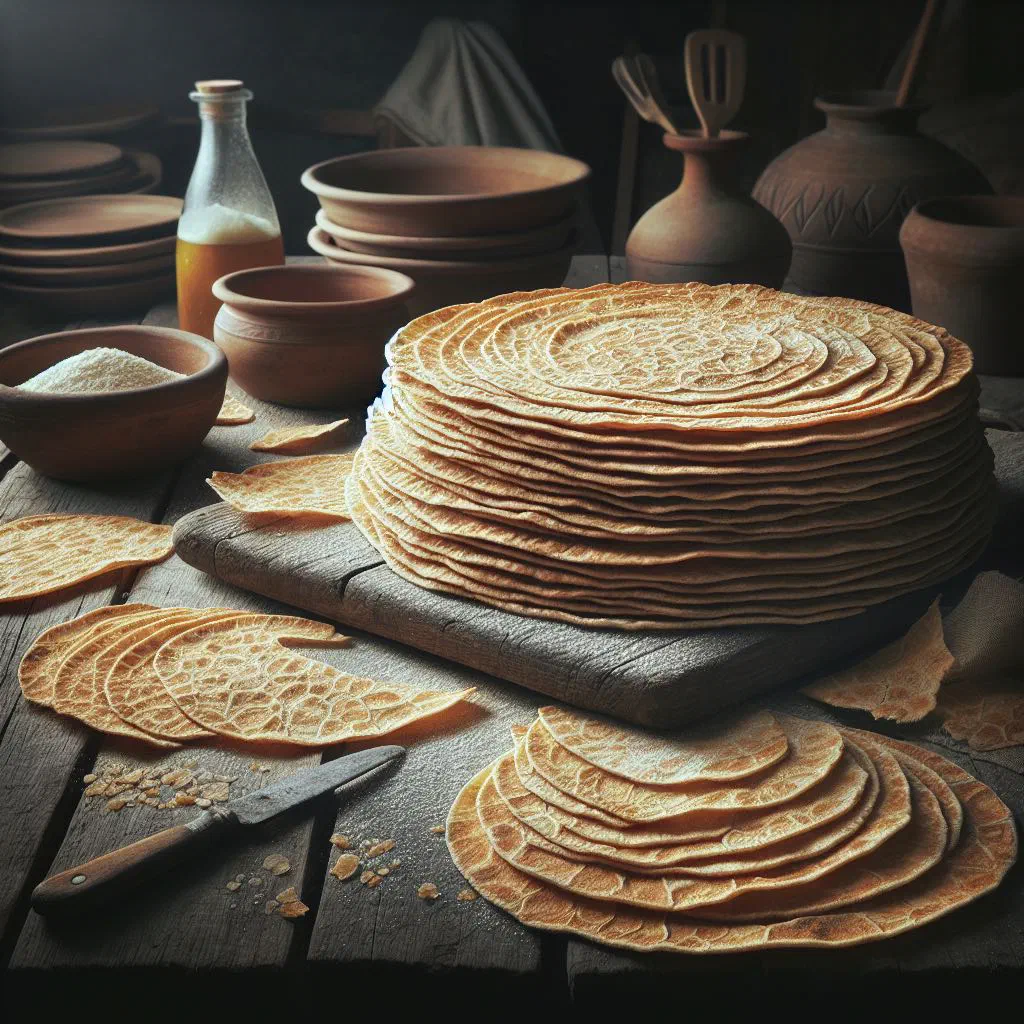
Discover Pane Carasau, the wafer-thin Sardinian flatbread also fondly known as carta da musica, “sheet music”, for the way light shines through its delicate, crackling layers. Born on the rugged island of Sardinia, this ancient bread was first made by shepherds who needed something that would keep for weeks on their long journeys into the mountains. Today it is a genuine treat: crisp, golden and endlessly versatile, equally at home alongside dips, draped with cheese or simply snapped and shared. Bring a taste of the Mediterranean straight to your table.
About Pane Carasau
Pane Carasau, also known as carta da musica, is a traditional Italian flatbread with its roots on the beautiful island of Sardinia. Its crisp texture and thin, lightly browned dough make it a special pleasure. Originally this flatbread was made by shepherds to ensure a long shelf life, even during their lengthy treks into the mountains. Today it enjoys great popularity and is used in restaurants and kitchens right across Italy, making it a wonderful introduction to rustic Italian cuisine.
Ingredients (serves 1–2)
- 250 g wheat flour
- 125 ml water
- 1 teaspoon salt
- 1 teaspoon olive oil
- Additional spices of your choice (optional)
Shopping for the ingredients
To make Pane Carasau you need fresh ingredients that are easy to come by. Wheat flour, water, salt and olive oil are the basic components, all of which you can find in any supermarket. Take care to choose a good-quality olive oil, as it can noticeably improve the flavour of the bread. If you would like to add particular spices, it is also worth asking at Mediterranean grocery shops.
Preparing the dish
Before you begin making Pane Carasau, it is important to weigh out all the ingredients carefully and have them ready to hand. You will need a suitable work surface for kneading the dough. Since the consistency of the dough is essential for that signature crispness, allow yourself plenty of time to knead it thoroughly. At this stage you can also decide whether to add extra aromatics or spices to vary the flavour.
Step-by-step instructions
- Combine the flour, salt and water in a bowl and knead into a smooth, homogeneous dough.
- Let the dough rest for about 30 minutes so it can relax.
- Roll the dough out thinly on a floured surface until it is around 2 mm thick.
- Bake the dough in a preheated pan, without oil or fat, for a few minutes until lightly golden brown.
- Remove the baked dough from the pan and leave it to cool in a cool spot.
Gluten-free / lactose-free version
If you would like to make Pane Carasau gluten-free, you can replace the wheat flour with a gluten-free flour such as almond flour or chickpea flour. Bear in mind that this can slightly alter the texture and flavour, but it remains a tasty option all the same. For a lactose-free version there is nothing to worry about, as the ingredients are naturally lactose-free anyway. Enjoy it freely and without a second thought.
Tips for vegans and vegetarians
Pane Carasau is naturally vegan and vegetarian, as it is made entirely from plant-based ingredients. If you would like to introduce extra flavour, you can add herbs or spices such as rosemary or oregano, which lend the bread an interesting note. You can also serve it as an accompaniment to various vegan dips, such as hummus or olive paste, much like the spread you might pair with Crostini Toscani. This makes your dish even more creative and varied.
More tips and tricks
To make your Pane Carasau especially crisp, you can bake it twice. After baking the first layer, slice the bread through the middle and return the pieces to the pan. This gives you an even more intense crunch. Store the bread in an airtight container to keep it fresh. As a rule it stays edible for several days, provided it is kept properly.
Adapting the recipe to your taste
The wonderful thing about Pane Carasau is how easily it can be adapted. Experiment with different types of flour, or add seeds such as sesame or poppy to give the dough a new texture and flavour. You can also serve the bread with all sorts of toppings, whether fresh vegetables, cheese or even as the base for a light main course in the spirit of a Pizza al Taglio.
Ingredient substitutions
If you are unable to get hold of wheat flour, you can use alternatives such as spelt flour or oat flour. These bring a slightly different texture and flavour but can work beautifully. If you would rather not use olive oil, try walnut oil or coconut oil to develop a new taste. The versatility of the ingredients makes it easy to make adjustments to suit what you have.
Drink pairing ideas
Pane Carasau pairs wonderfully with a range of drinks. A refreshing white wine from Sardinia, such as Vermentino, goes splendidly with this bread. Alternatively, light cocktails or alcohol-free options such as lemonade harmonise nicely with it. You might also enjoy the bread with a full-bodied, aromatic tea for a unique tasting experience.
Serving and presentation ideas
The presentation of Pane Carasau lends itself to plenty of creativity. Serve the bread on a rustic wooden board together with fresh dips and vegetables. For a more festive feel, you can cut or arrange the bread into interesting shapes. Paired with cheese or charcuterie, alongside something like a creamy Burrata con Pomodorini, it not only looks good but tastes excellent too. Take care that the colours of the ingredients sit harmoniously together.
A bit of history
The history of Pane Carasau reaches back into antiquity and is closely bound up with the culture and traditions of Sardinia. Originally made by shepherds, it was devised as a long-keeping food that could survive lengthy journeys. Its preparation still fascinates today and is passed down from generation to generation. It is a genuine piece of Italian culture, enjoyed in homes and restaurants alike, a fitting companion to a country that gave the world dishes like Focaccia Genovese.
More recipe ideas
Summary: Pane Carasau
Pane Carasau is a delicious, traditional Sardinian flatbread that is perfect for all sorts of occasions. Its simple preparation and the scope for adapting it make it a wonderfully versatile option within Italian cooking. Try it with various dips, as a snack or as an accompaniment to a main course. Bring a piece of Sardinian cuisine into your own home and pleasure in the wonderful flavours this bread has to offer.