National Dish Italy: Panettone (Recipe)
In this article
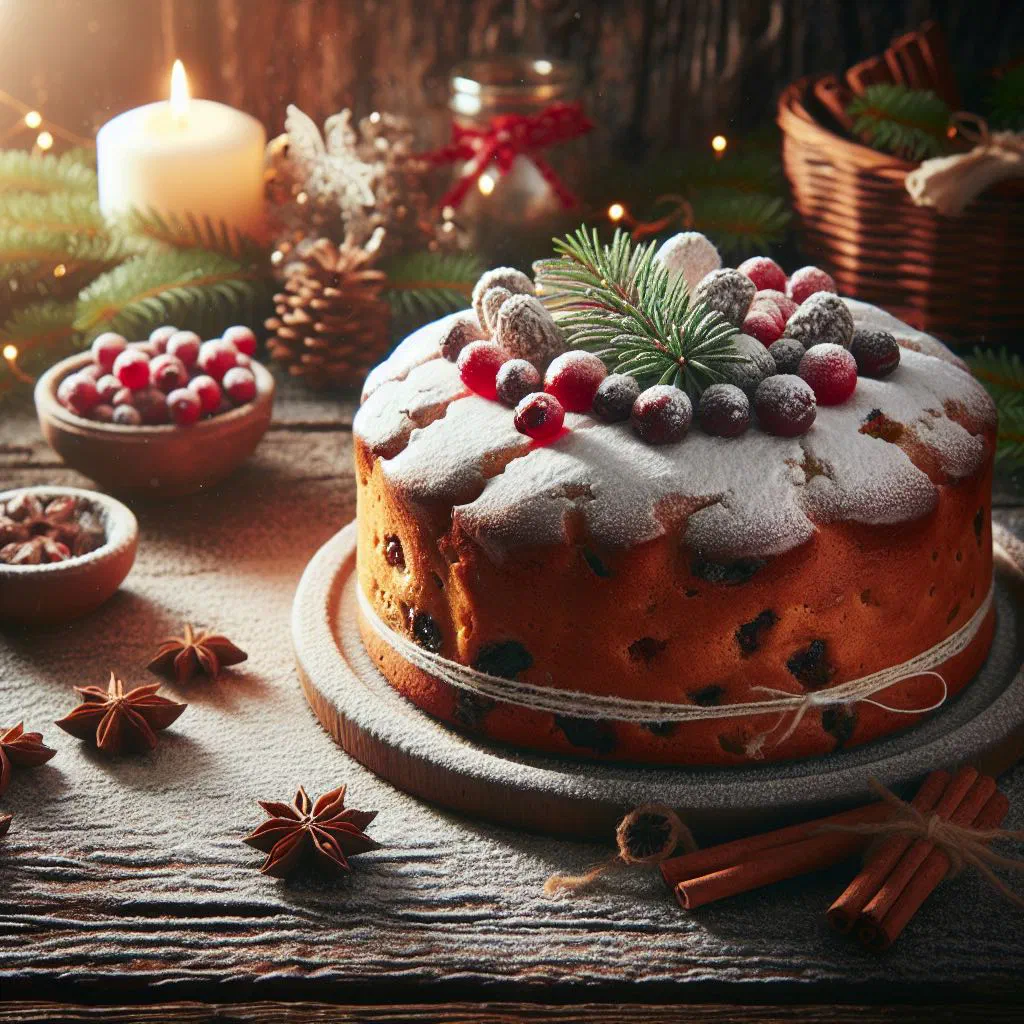
There is something magical about pulling a golden, dome-topped Panettone from the oven, its airy crumb studded with jewel-like fruit and the whole kitchen filled with the scent of citrus and vanilla. Born in Milan and now beloved the world over, this Italian Christmas cake rewards a little patience with a soft, cloud-light texture that no shop-bought version can quite match. Baking one from scratch is a festive ritual in its own right, a celebration of craftsmanship and the warmth of the Italian holiday table.
About Panettone
Panettone is a traditional Italian Christmas bread celebrated for its airy texture and rich, buttery flavour. It originally hails from Milan and has gone on to win admirers across the globe. Making it takes a little time and effort, but the result is unquestionably worth it. Panettone stands for artisan baking and Italian festive cheer, qualities you can taste in every single bite. Much like a classic Tiramisu, it has become an enduring symbol of the country’s much-loved Italian cuisine.
Ingredients (serves 1–2)
- 500 g high-quality flour (Tipo 0 or Tipo 00)
- 120 g sugar
- 150 g soft butter
- 20 g fresh baker’s yeast
- 200 ml whole milk, lukewarm
- 4 egg yolks and 1 whole egg
- 1 pinch of sea salt
- 150 g raisins
- 60 g candied lemon peel
- 60 g candied orange peel
- 1 tsp natural vanilla extract
- 1 organic lemon (zest only)
Shopping for the ingredients
Most of the ingredients for Panettone can be found in any supermarket. Be sure to use fresh yeast rather than dried yeast for the best possible result. The quality of the dried fruit, the raisins, candied lemon peel and candied orange peel, also makes a real difference to the flavour. High-quality ingredients, particularly organic butter and eggs, are what give the loaf its aromatic, beautifully airy crumb.
Preparing the dish
To achieve a light, fluffy dough it is important to bring your ingredients up to room temperature, so take the butter and eggs out of the fridge in good time. Soak the raisins in warm water or, for extra flavour, in Marsala or rum. The yeast is dissolved in the lukewarm milk and should be left to rest for 10 minutes so it can develop its full leavening power.
Step-by-step instructions
- Put the flour, sugar and salt into a large bowl and mix well.
- Dissolve the yeast in the lukewarm milk and add it to the dry ingredients.
- Add the egg yolks, the whole egg and the vanilla extract, then knead everything into a smooth dough.
- Work the soft butter into the dough a piece at a time until it is elastic and glossy.
- Cover the dough and leave it to rise in a warm place for 2 hours.
- Once risen, gently fold in the raisins, candied lemon peel, candied orange peel and grated lemon zest.
- Transfer the dough to a greased panettone mould and leave it to rise for a further 2 hours.
- Preheat the oven to 170°C and bake the panettone for around 50–60 minutes, covering it with baking paper after 30 minutes to prevent it browning too much.
- Allow the panettone to cool completely before serving.
Gluten-free / lactose-free version
For a gluten-free version you can use a gluten-free flour that is specially suited to baking, and make sure the yeast is gluten-free too. For a lactose-free panettone, simply swap the milk for lactose-free milk or almond milk. There are excellent lactose-free butter alternatives that work just as well, so everyone at the table can enjoy a slice.
Tips for vegans and vegetarians
To make Panettone vegan, replace the eggs with apple purée or mashed banana. Use plant-based margarine in place of butter, along with a plant-based milk such as almond or soya. Just take care that any chocolate and the vanilla extract you choose are free from animal products. With a few thoughtful swaps, this festive classic adapts happily to a plant-based diet.
More tips and tricks
A real insider tip is to let the dough rise overnight in the fridge, giving it more time to develop its flavour. This slow, cold proving improves both the texture and the taste of the finished loaf. If you do not own a special panettone mould, a tall cake tin will do the job nicely. For a more modern twist, you can scatter in chocolate chips or candied cherries.
Adapting the recipe to your taste
You can easily tailor this recipe to suit your own preferences. If raisins are not for you, swap them for other dried fruit such as apricots or cherries. For a nutty version, add almonds or hazelnuts. Small chunks of chocolate are another popular addition, much like the chocolate-rich crumb you will find in a Sbrisolona.
Ingredient substitutions
Instead of fresh yeast you can use dried yeast, though one sachet of dried yeast does not necessarily correspond exactly to 20 g of fresh yeast. You can replace the dried fruit with fresh fruit, but if you do, be ready to adjust the amount of liquid accordingly. Vanilla extract can be swapped for vanilla sugar or the seeds scraped from a vanilla pod, the same warm note that lifts a delicate Zabaione.
Drink pairing ideas
A traditional Panettone is often served with a glass of Moscato, a sweet Italian white wine. A cappuccino or espresso also pairs wonderfully with it. For children and anyone who prefers not to drink alcohol, a hot chocolate or a glass of freshly squeezed orange juice makes a lovely choice. A spoonful of soft custard alongside, as you might serve with a Torta della Nonna, turns each slice into something extra special.
Serving and presentation ideas
A homemade panettone cuts a fine figure on any festive table. Tie a pretty ribbon around the mould and present it on an elegant plate. You can also serve it in small slices, arranged on a tiered cake stand. A light dusting of icing sugar over the top gives it a wintry, Christmassy finish that looks every bit as inviting as it tastes.
A bit of history
Panettone has its roots in medieval Italy, more precisely in Milan. Originally it was a simple bread dough enriched with sugar and eggs, prepared only for special occasions. Over time the recipe was refined, with dried fruit and butter added to the mix. Today panettone is utterly inseparable from the Christmas season and remains a proud symbol of Italian festive celebration, a tradition as cherished as the honey-soaked Struffoli Napoletani of the south.
More recipe ideas
Summary: Panettone
Panettone is a delicious and traditional Italian Christmas cake that wins hearts with its airy texture and aromatic flavour. With this recipe you can bake it easily at home and treat your loved ones throughout the festive season. Gluten-free, lactose-free or vegan, you will find all the tips and tricks here to adapt it perfectly to your needs. Give it a try and savour a slice of Italian Christmas tradition.