National Dish Italy: Panforte (Recipe)
In this article
Meet Panforte, a wonderfully dense and spiced Tuscan sweet that is packed with nuts, dried fruit and warming spices. Rich, fragrant and steeped in centuries of tradition, it is the kind of treat that comes into its own around Christmas, served in slim wedges with a glass of sweet dessert wine. With our authentic recipe you can bring a slice of medieval Siena straight to your own kitchen.
About Panforte
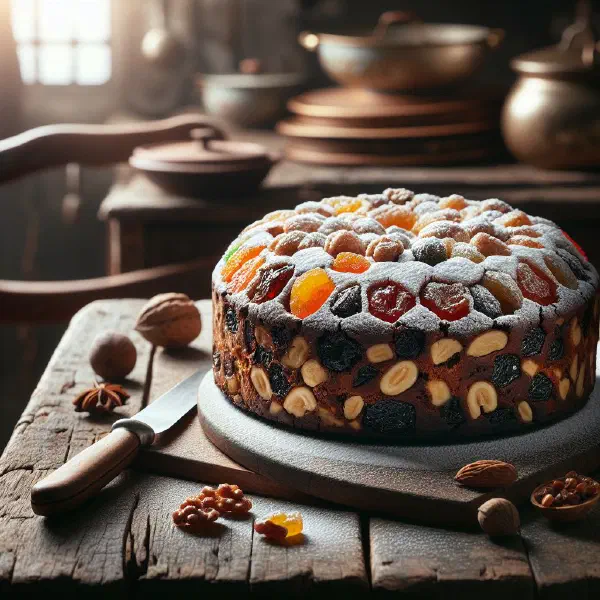
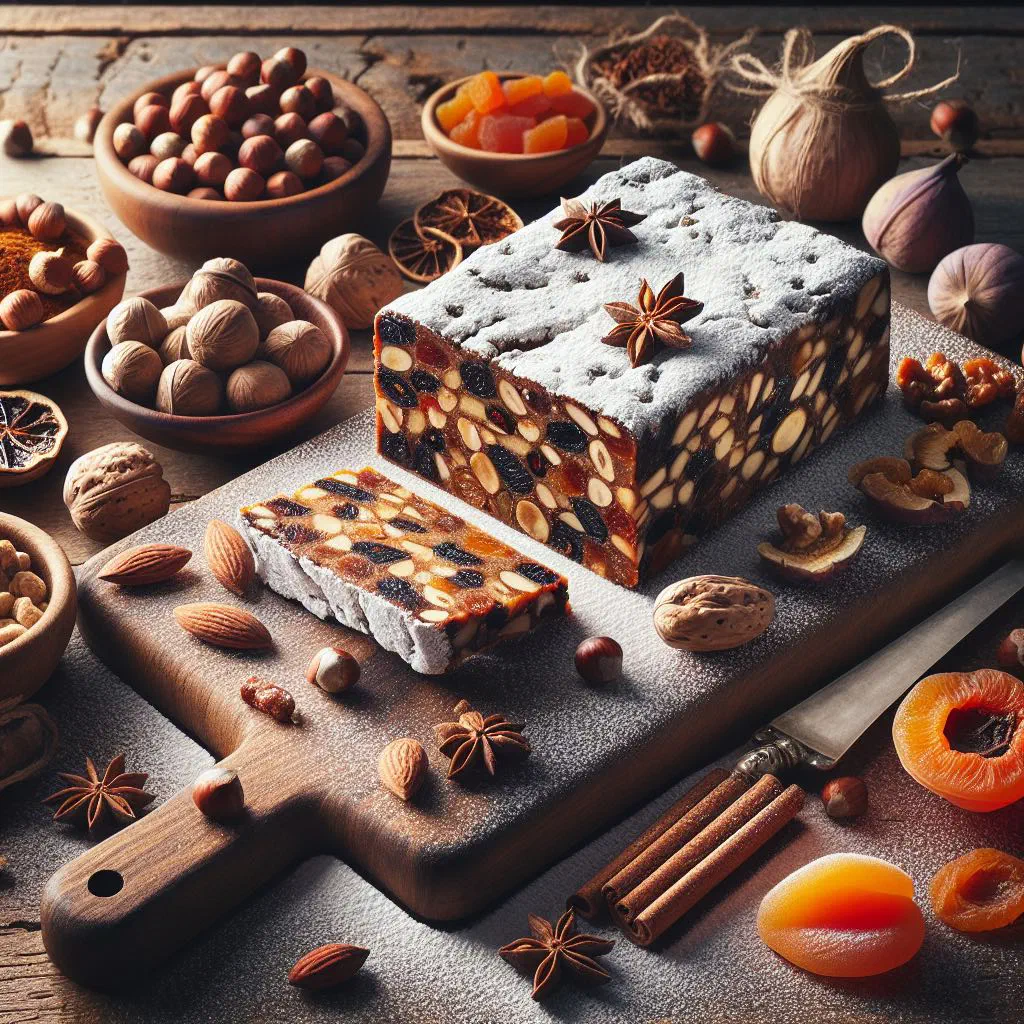
Panforte is a traditional Italian dessert that hails above all from the region of Tuscany. Invented in the Middle Ages, it has barely changed since. What sets it apart is its rich line-up of ingredients, nuts, dried fruit and an aromatic blend of spices, which together give the cake its unmistakable, intense flavour. Panforte is especially popular over the festive season, as its firm, compact texture makes it a perfect match for the colder months. It is usually served in small pieces, often alongside a glass of Vin Santo or another sweet dessert wine.
Ingredients (serves 1–2)
- 100g almonds
- 100g hazelnuts
- 100g dried fruit (figs, apricots, dates)
- 100g plain flour
- 100g sugar
- 100g honey
- 1 tsp cinnamon
- 1/2 tsp nutmeg
- 1/4 tsp ground cloves
- 1/4 tsp coriander
- Icing sugar, for dusting
Shopping for the ingredients
For the perfect panforte it is worth using good-quality, fresh ingredients. Head to a well-stocked supermarket or an Italian delicatessen if you can. The nuts and dried fruit should be of a high standard, as they shape the flavour of the dish more than anything else. It also pays to seek out fresh spices, since these intensify the aroma and lend the cake its characteristic warmth.
Preparing the dish
Before you begin, get all your ingredients ready. The nuts can be roughly chopped or left whole, as you prefer. The dried fruit should be cut into small pieces so it blends evenly with everything else. It is also a good idea to sift the flour beforehand to avoid lumps, which keeps the mixture smooth and even throughout.
Step-by-step instructions
- Preheat the oven to 150°C and line a baking tin with baking paper.
- Spread the nuts on a baking tray and toast them lightly in the oven (about 10 minutes), then leave to cool.
- In a saucepan, heat the sugar and honey until the sugar has fully dissolved.
- Tip the nuts, dried fruit, spices and flour into a large bowl and mix thoroughly.
- Pour the hot honey-and-sugar mixture over the dry ingredients and combine quickly.
- Press the mixture into the prepared tin and bake for 30–40 minutes.
- Leave to cool, then dust with icing sugar before cutting the panforte into small pieces.
Gluten-free / lactose-free version
For a gluten-free version of panforte, swap the wheat flour for a blend of cornflour and rice flour. Check that the dried fruit carries no traces of gluten. The recipe is naturally lactose-free, as it contains no dairy products, which means it also suits anyone with a lactose intolerance. This makes panforte a versatile sweet for the festive table that almost everyone can enjoy.
Tips for vegans and vegetarians
Panforte is already a vegetarian treat, since it uses no meat at all. To make it vegan, replace the honey with a plant-based alternative such as agave syrup or maple syrup. These have a similar sweetness and consistency to honey and pair beautifully with the spiced character of the cake, so you lose none of its richness.
More tips and tricks
Panforte takes on a special note with the addition of chocolate or cocoa powder. Finely chop the chocolate and fold it gently into the mixture, or simply stir cocoa powder in with the other dry ingredients. Another popular twist is a handful of candied orange peel, which lends the panforte a fruity freshness. Small touches like these let you put your own stamp on this Tuscan classic.
Adapting the recipe to your taste
You can tailor panforte entirely to your own preferences. Experiment with different nuts such as walnuts, pecans or pine nuts, and feel free to mix up the dried fruit too. Try dried cranberries or mango for a change. Season to taste with more or less cinnamon, or add a pinch of chilli powder for a gently spicy edge. The same playful spirit shows up in a buttery Sbrisolona, where nuts take centre stage.
Ingredient substitutions
If you are not keen on hazelnuts or need to avoid certain ingredients, there are plenty of alternatives. Almonds can be replaced with cashews, while dried figs can give way to raisins or sultanas. Instead of honey you might use rice syrup or date syrup. The same knack for swapping nuts and dried fruit is handy for a chestnut-rich Castagnaccio.
Drink pairing ideas
Panforte is traditionally served with a sweet dessert wine such as Vin Santo or Marsala. A robust red like a Chianti also works well, and if you prefer something softer you can pair it with a cup of espresso or a mug of hot chocolate. Especially in the colder months, this kind of pairing turns a slice of panforte into a genuine treat, much as it does with a spoonful of Zabaione.
Serving and presentation ideas
For a particularly attractive presentation, garnish the panforte with fresh fruit or mint leaves. Cut it into even, small pieces and arrange them on a pretty platter, finishing with an extra dusting of icing sugar for a festive look. You can also wrap individual pieces in little cellophane bags to give as a gift or take along to a celebration, a charming idea it shares with the honey-glazed Struffoli Napoletani.
A bit of history
Panforte has a long history reaching back into the Middle Ages. It was originally made in Tuscany, and most famously in the city of Siena. The name panforte means “strong bread”, a nod to its bold flavour and dense texture. In its early days the dessert was reserved for the rich and well-to-do, since the ingredients were extremely costly at the time, a story echoed across much of Italian cuisine, where humble and luxurious traditions sit side by side.
More recipe ideas
Summary: Panforte
Panforte is an authentic Italian dessert that is especially treasured over the festive season. With its mix of nuts, dried fruit and spices it is deeply flavoursome and surprisingly simple to make. A few small tweaks can render it gluten-free, lactose-free or even vegan. Panforte is always a pleasure, a little taste of Tuscany to share and enjoy.