National Dish Italy: Panna Cotta (Recipe)
In this article
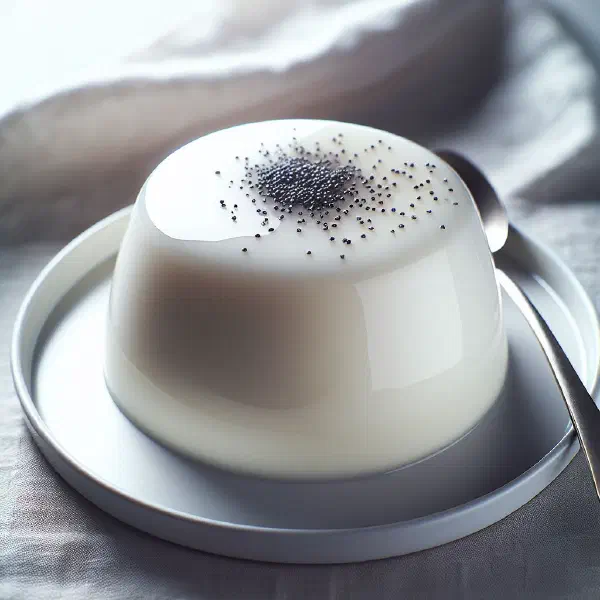
Treat yourself to a taste of la dolce vita with Panna Cotta, the silky-smooth Italian dessert whose name means simply “cooked cream”. Behind its elegant looks lies a wonderfully easy recipe: just a handful of ingredients come together to create a wobbling, glossy pudding with a delicate vanilla sweetness. This classic brings a little Italian indulgence straight to your table.
About Panna Cotta
Panna Cotta, which translates literally as “cooked cream”, is an Italian dessert prized for its tenderness and its sheer simplicity. It is traditionally made from cream, sugar and a setting agent such as gelatine. Its enduring popularity comes from that smooth, melting texture and its readiness to take on all manner of flavours. While it is not officially designated a national dish, panna cotta is without question one of the most famous desserts in Italian cuisine, reflecting the country’s love of refined yet uncomplicated sweets.
Ingredients (serves 1–2)
- 200 ml double cream
- 50 ml milk
- 30 g sugar
- 1 teaspoon vanilla extract
- 2 sheets gelatine
Shopping for the ingredients
For the best result, choose fresh, good-quality cream. The vanilla extract can be swapped for a real vanilla pod, which lends the dessert an even more intense aroma. Be sure to buy good-quality gelatine, as it is decisive for the dessert’s final texture. Most of these ingredients are everyday staples, easy to track down in any supermarket.
Preparing the dish
Soak the gelatine before use, following the instructions on the packet. If you are using a vanilla pod, slit it lengthways and scrape out the seeds. The cream should be cold when you begin. A little groundwork like this makes the whole process run smoothly, much as it does when putting together a Tiramisu.
Step-by-step instructions
- Soak the gelatine according to the packet instructions.
- In a pan, gently warm the cream, milk, sugar and vanilla extract (or the vanilla seeds and pod) over a medium heat, but do not let it boil.
- Take the pan off the heat, squeeze out the gelatine and stir it into the warm cream mixture until fully dissolved.
- Pour the mixture through a fine sieve into your prepared moulds to remove any lumps.
- Chill the panna cotta in the fridge for at least 4 hours, or ideally overnight, until set.
Gluten-free / lactose-free version
Panna cotta is naturally gluten-free, which makes it a reassuring choice for anyone with a gluten intolerance. For a lactose-free version, swap the cream for lactose-free cream or a suitable cream substitute, and the dessert keeps its rich, velvety character. That way every guest can enjoy this delicate sweet without compromise.
Tips for vegans and vegetarians
For a vegan panna cotta, use agar-agar in place of gelatine and coconut milk or another plant-based milk instead of dairy cream. These swaps deliver the same set and creaminess while keeping the dessert entirely plant-based. Take care to choose vanilla and sweeteners free from hidden animal products, and you have a treat that suits every kind of diet.
More tips and tricks
To turn the panna cotta out more easily, dip the moulds briefly in warm water and then invert them onto a plate. For a vegan version, remember that agar-agar sets more firmly than gelatine, so use it sparingly. A pinch of patience while chilling pays off, giving you that perfect, gently quivering finish that defines a good panna cotta.
Adapting the recipe to your taste
Panna cotta is wonderfully open to reinvention. Add flavours such as espresso, coconut or citrus to create your own twist on this classic dessert. Experiment with different toppings, too, fresh fruit, chocolate sauce or caramel all work beautifully. If you love coffee-led puddings, the same espresso notes shine in a Limoncello Tiramisu.
Ingredient substitutions
To achieve a lactose-free dessert, replace the cream with lactose-free cream or a cream substitute. Instead of regular sugar, you can use an alternative sweetener to suit your needs. These small substitutions let you tailor the recipe to dietary requirements without losing the signature smoothness, in the same spirit of adaptation that makes a Ricotta Cheesecake so versatile.
Drink pairing ideas
The sweet note of panna cotta pairs wonderfully with a glass of dessert wine such as a Moscato d’Asti, or a light, sparkling Prosecco. Fruity non-alcoholic options work just as well, a raspberry coulis or a freshly squeezed orange juice both make a lovely accompaniment that echoes the dessert’s gentle sweetness.
Serving and presentation ideas
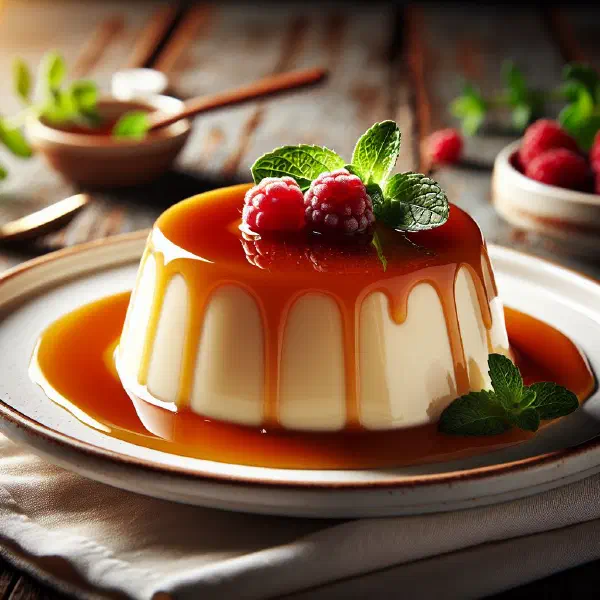
Serve the panna cotta on a flat plate and garnish it with fresh berries or edible flowers. A sprig of mint adds a welcome splash of colour and lifts the visual appeal. A drizzle of fruit coulis or caramel around the plate turns a simple pudding into an elegant finish, every bit as eye-catching as a slice of Torta Caprese.
A bit of history
Panna cotta hails from the region of Piedmont in north-western Italy and spread in popularity over the course of the 20th century. It was traditionally set with fish bladder as a thickening agent, though today gelatine is the usual choice. This humble origin in northern Italian kitchens reflects the regional richness that runs throughout Italian cuisine.
More recipe ideas
Summary: Panna Cotta
Panna cotta is a dessert that wins you over with its sheer simplicity. It is easy to prepare, endlessly adaptable to your own tastes and effortless to present with elegance. With its silky texture and gentle sweetness, it captures the refined, unfussy spirit of Italian sweets. A genuine treat from the heart of Italian cuisine, give it a try and bring a little dolce vita home.